


Ageism is so deeply woven into our culture that it is rarely named, yet its weight is felt by older adults every day. It is not simply being called "old." Rather, it is the pervasive assumption that ...
Ageism is so deeply woven into our culture that it is rarely named, yet its weight is felt by older adults every day. It is not simply being called "old." Rather, it is the pervasive assumption that because individuals have lived a certain number of years, they are somehow less capable, less relevant, or less valuable.
This discrimination appears in countless interactions, and its consequences extend beyond wounded pride, affecting older adults’ physical, mental, social, and financial well-being. Ageism is subtle but unmistakable. It appears in the younger person who speaks to an older adult slowly and loudly, as if both hearing and intellect have faded.
It is the physician who dismisses persistent knee pain as "just arthritis" and fails to investigate further. It is the adult child who, with good intentions, takes over an aging parent's finances, eroding independence built over a lifetime. In the professional world, older workers are frequently sidelined, passed over for promotions, pushed toward early retirement, or made to feel that decades of wisdom count for less than a recent graduate's software skills.
The term "overqualified" often masks "too old." In healthcare, ageism can lead health professionals to dismiss legitimate concerns as inevitable parts of growing older. The economic consequences are severe.
When older adults are pushed out of the workforce prematurely, their retirement savings can be significantly reduced forcing them into unstable financial positions. The constant worry over paying bills, affording housing, or purchasing medications becomes chronic. This strain compounds the physical and emotional challenges of aging, limiting choices in what should be years of greater freedom.
The damage of ageism is also deeply internal. Over a lifetime, individuals absorb negative messages society broadcasts about aging. They are taught to fear it, fight it, and hide its signs.
When these stereotypes are internalized, they can become a self-fulfilling prophecy. Physiological consequences An older adult who believes aging inevitably means memory decline may become anxious in situations that test recall, and that anxiety itself can impair performance. This stress translates into physiological consequences, including rising blood pressure, increased cortisol, and a weakened immune system.
Research demonstrates that older adults with positive self-perceptions of aging live, on average, seven and a half years longer than those with negative perceptions. Beliefs have the power to shape biology. Perhaps the most painful effect is the profound loneliness ageism fosters.
When older adults feel devalued, they often withdraw from social engagement. They stop attending community events, hesitate to share opinions, and shy away from new connections. This isolation is as dangerous as any chronic disease, linked to increased risk of dementia, heart disease, and depression.
The heartbreak of feeling unseen, of being sidelined, can lead to a deep sense of purposelessness. This withdrawal creates a vicious cycle, deepening societal beliefs about irrelevance. Yet older adults are not passive victims.
They have navigated complex challenges throughout their lives, and they can navigate this one. The first step is to recognize ageism for what it is: a prejudice that does not have to be accepted. Older adults can speak up against patronizing comments, question dismissing doctors, and insist on being seen and heard.
They can refuse to internalize the idea that age is a liability. Their years have given them resilience, perspective, and clarity that only time can provide. They have earned the right to be valued, not in spite of their age, but because of the full, rich lives they have lived.
Societal addressing ageism requires a concerted effort: intergenerational programs, realistic media portrayals, public education, and stronger legal protections. By challenging ageist assumptions, communities can build a society that values all its members, recognizing the enduring strength of every generation.
- Published
- Jul 16, 2026
- Updated
- Jul 16, 2026
- Source
- Mukilteo Beacon
- Category
- Lifestyle
- Read time
- 3 min
Key facts
Why this matters locally
This lifestyle story matters locally because it may affect readers, businesses, commuters, families, or public services in British Columbia.
Local impact
BC Post links this item to British Columbia coverage so readers can follow related city updates, weather, traffic, events, and category news in one place.
Timeline
Source and credit
BC Post may summarize, organize, and add local context for reader clarity. Original reporting remains with the listed publisher.
Related Articles
View all Lifestyle
Modern long-term care home opens in Lower Sackville
Lifestyle
Modern long-term care home opens in Lower Sackville
 Lifestyle
UFV’s Peace and Reconciliation Centre earns international award for community partnership
Lifestyle
UFV’s Peace and Reconciliation Centre earns international award for community partnership
 Lifestyle
New Gateway Mall owners hope to bring in a Costco
Lifestyle
New Gateway Mall owners hope to bring in a Costco
 Lifestyle
Tea Party receives Key to the City for 35-years of global success, charitable efforts
Lifestyle
Tea Party receives Key to the City for 35-years of global success, charitable efforts
 Lifestyle
Students bring Kimberley history to life through local project
Lifestyle
Students bring Kimberley history to life through local project
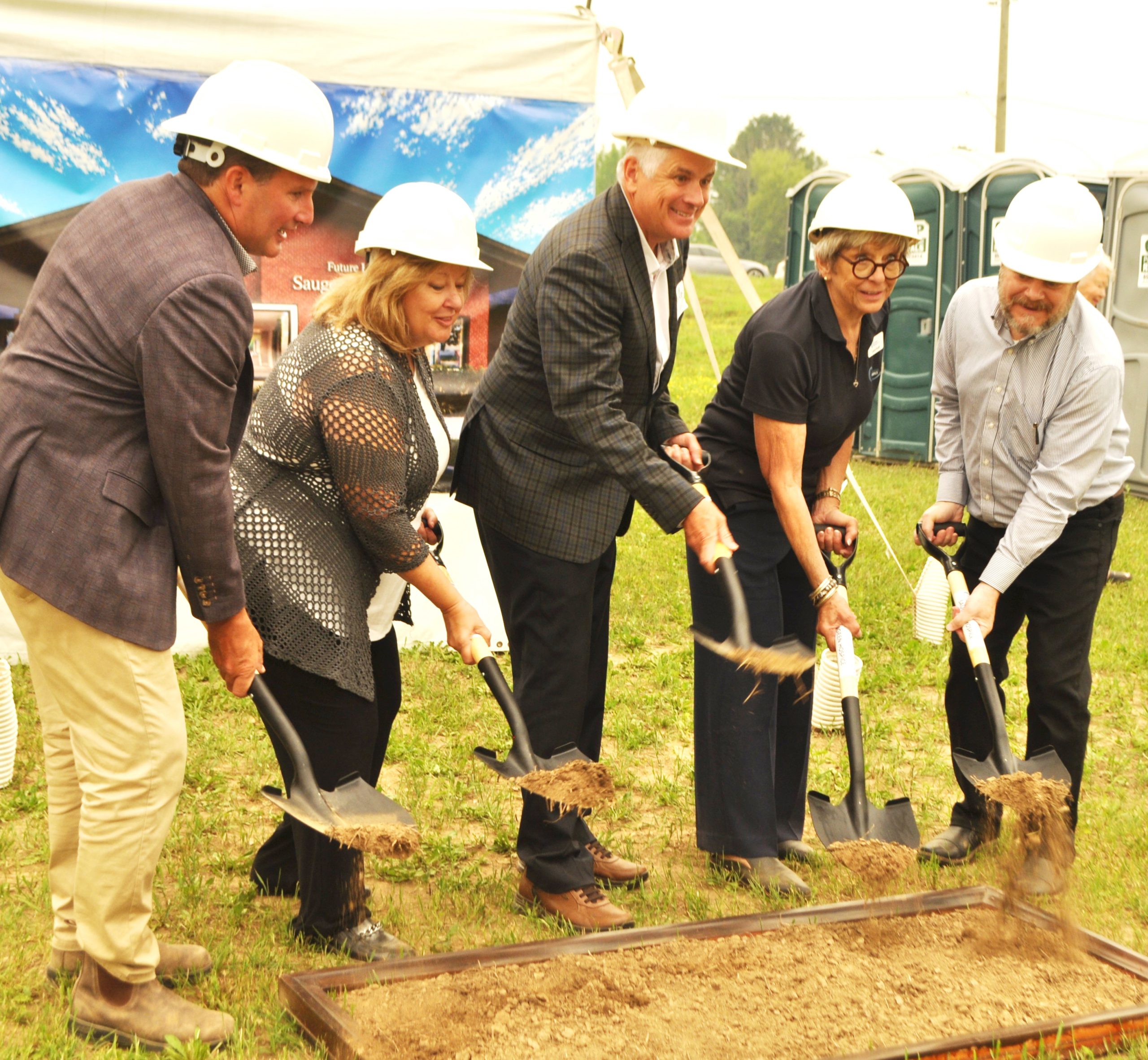 Lifestyle
It’s official: construction on Saugeen Hospice begins
Lifestyle
It’s official: construction on Saugeen Hospice begins
More Local Coverage
Latest news Business
AI Market Trends: Q2 2026 Review and Forecast
Business
AI Market Trends: Q2 2026 Review and Forecast
 Top
‘Entire city’ asked to help search for missing 11-year-old Parker: Calgary police
Top
‘Entire city’ asked to help search for missing 11-year-old Parker: Calgary police
 Politics
Powerful pro-life ad featuring boxing legend to air during final World Cup matches
Politics
Powerful pro-life ad featuring boxing legend to air during final World Cup matches