


AI guilt is the feeling that using AI is somehow cheating. That stigma, experts say, is preventing the conversations needed to teach people how to use the AI safely.
Artificial intelligence is quickly becoming part of everyday life, from classrooms to corporate offices. But as more people turn to AI, educators and workplace experts say a new problem is emerging: people are hiding their use and in turn not getting the education about AI they need. Researchers call it AI guilt, The feeling that using AI is somehow cheating, even when it’s permitted or encouraged.
That stigma, they say, is preventing the conversations needed to teach people how to use the technology safely and responsibly. The concern isn’t just about ethics. For educators, it’s also about cognitive offloading, relying on AI to do the thinking instead of exercising your own brain.
Get daily National news “Am I concerned about cognitive offloading? I’d say that’s my number one concern with AI,” said educator David Williams. He warns that students who let AI do their thinking risk undermining their own learning.
“Circumventing your own thinking like that does not support learning in any way at all,” Williams said. In the workplace, new research from Employment Hero found 43 per cent of Canadian workers feel guilty using AI, 39 per cent believe it feels like cheating, and 34 per cent admit they hide their AI use from their employer. Employment Hero Canada managing director Chris Pinkerton says that secrecy creates new challenges.
“Part of AI literacy is not just learning how the tool works, but it’s also starting to open a dialogue.” Pinkerton said Some educators say they’ve shifted away from policing AI use and toward teaching students how to use it responsibly before entering the workforce. Experts say AI isn’t going away.
Their warning is that if schools and workplaces don’t normalize conversations about responsible AI use now, people may never receive the training they need to use the technology safely, and could become increasingly dependent on it instead.
- Published
- Jul 15, 2026
- Updated
- Jul 15, 2026
- Source
- Global News
- Category
- Top
- Read time
- 1 min
Key facts
Why this matters locally
This top story matters locally because it may affect readers, businesses, commuters, families, or public services in British Columbia.
Local impact
BC Post links this item to British Columbia coverage so readers can follow related city updates, weather, traffic, events, and category news in one place.
Timeline
Source and credit
BC Post may summarize, organize, and add local context for reader clarity. Original reporting remains with the listed publisher.
Related Articles
View all Top
Rock the Lake celebrated its ninth year at Prospera Place this past weekend
Top
Rock the Lake celebrated its ninth year at Prospera Place this past weekend
 Top
BCWS aircraft helping Kamloops firefighters battle grass fire above Shuswap Road
Top
BCWS aircraft helping Kamloops firefighters battle grass fire above Shuswap Road
 Top
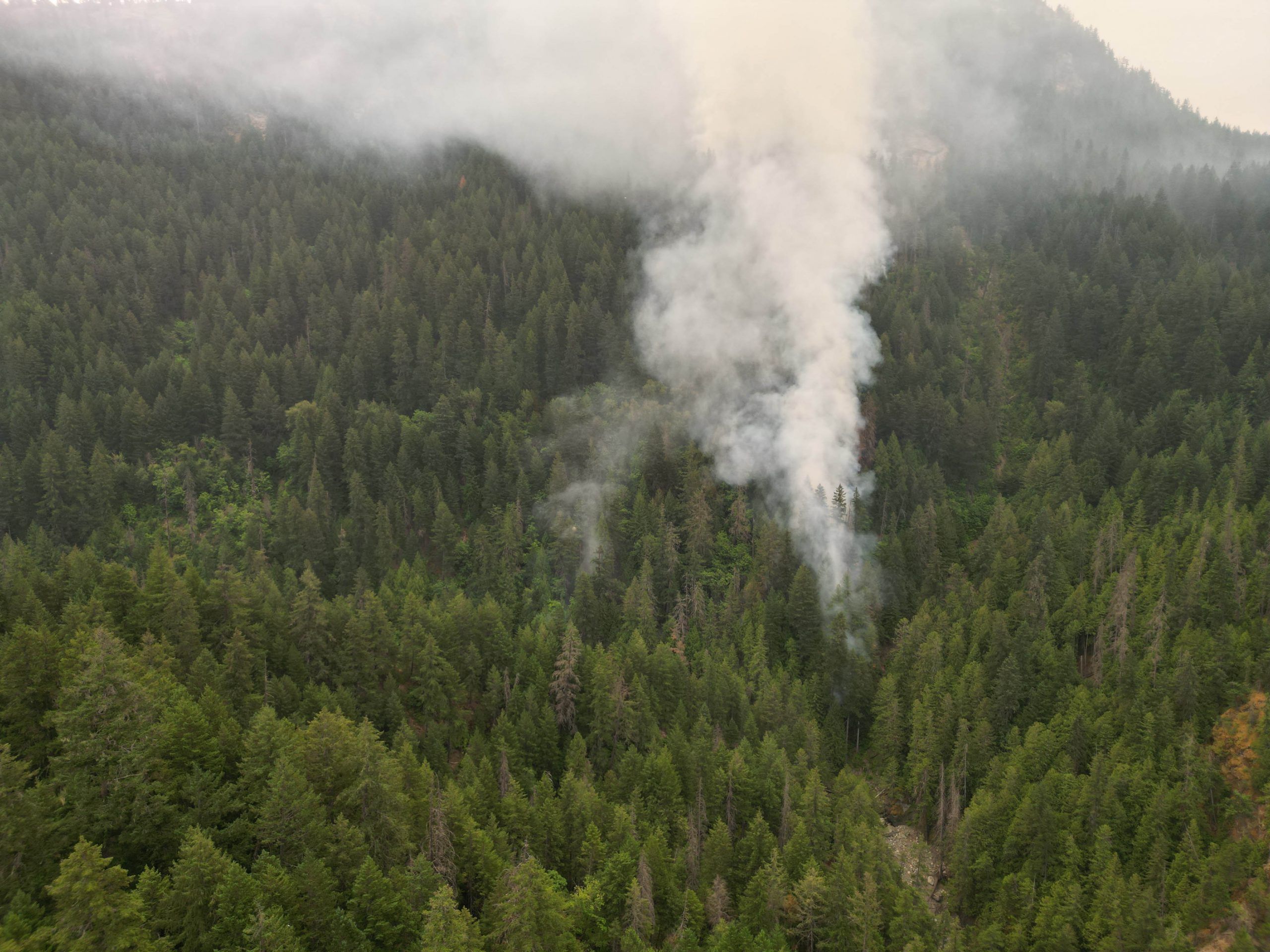
Brunswick Creek wildfire grows, leads to air quality warning in east Fraser Valley
Top
Brunswick Creek wildfire grows, leads to air quality warning in east Fraser Valley
 Top
MLA Jordan Kealy to face jury in sexual assault case
Top
MLA Jordan Kealy to face jury in sexual assault case
 Top
ABLESON, Elinor Margaret
Top
ABLESON, Elinor Margaret
 Top
BC Ferries passengers could see delays after Langdale terminal ramp fails
Top
BC Ferries passengers could see delays after Langdale terminal ramp fails
More Local Coverage
Latest news Politics
Powerful pro-life ad featuring boxing legend to air during final World Cup matches
Politics
Powerful pro-life ad featuring boxing legend to air during final World Cup matches
 Business
AI Market Trends: Q2 2026 Review and Forecast
Business
AI Market Trends: Q2 2026 Review and Forecast