

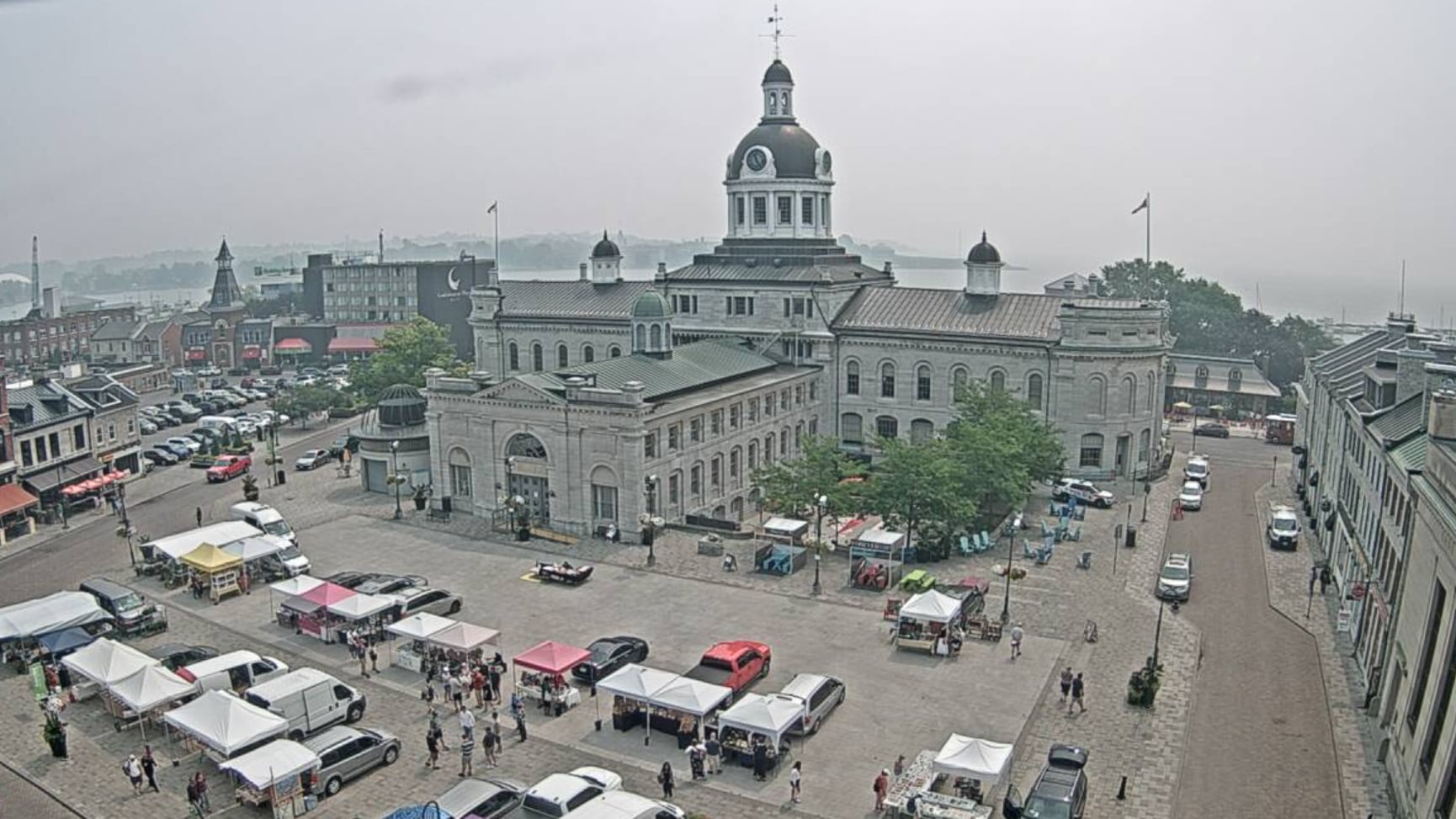
The air quality in Kingston, Ont. is at the worst end of the scale Thursday, as smoke from wildfires in northwestern Ontario blankets parts of the province.
The air quality in Kingston, Ont. is at the worst end of the scale Thursday, as smoke from wildfires in northwestern Ontario blankets parts of the province. Environment Canada has issued an orange warning for air quality in the Limestone City, with the air quality health index (AQHI) at 10+, or “very high risk.” “During heavy smoke conditions, everyone’s health is at risk regardless of their age or health status,” Environment Canada says.
“Limit time outdoors. Reschedule or cancel outdoor sports, activities and events.” The poor air quality could result in symptoms such as eye, nose and throat irritation, headaches or a mild cough and, in severe cases, wheezing and chest pain.
The City of Kingston says if anyone is experiencing symptoms such as increased coughing, throat irritation, headaches or shortness of breath, the Southeast Public Health (SEPH) recommends reducing or rescheduling strenuous outdoor activity until the air quality improves. Seek medical attention if you develop severe symptoms, including shortness of breath, dizziness, chest pains, heart palpitations, wheezing or severe cough. Environment Canada says air quality could improve Thursday afternoon or evening but may deteriorate again by the weekend.
According to the AQHI forecast, Kingston could go from a 10+ level to a 7 later Thursday, which is still considered high risk, and to a 5, or moderate risk, by Thursday night. The City of Kingston says everyone is at risk for health impacts related to poor air quality; however, health risks are greatest for infants and children, older adults, those living in high air pollution areas, people living with chronic illnesses (such as asthma, diabetes, heart or lung diseases), people who are pregnant, people who are underhoused or experiencing homelessness, people who work outdoors, or people participating in strenuous sports and outdoor activities.
- Published
- Jul 16, 2026
- Updated
- Jul 16, 2026
- Source
- Ctv News
- Category
- Environment
- Read time
- 1 min
Key facts
Why this matters locally
This environment story matters locally because it may affect readers, businesses, commuters, families, or public services in British Columbia.
Local impact
BC Post links this item to British Columbia coverage so readers can follow related city updates, weather, traffic, events, and category news in one place.
Timeline
Source and credit
BC Post may summarize, organize, and add local context for reader clarity. Original reporting remains with the listed publisher.
Related Articles
View all Environment
50-hectare wildfire burns between Clearwater and 100 Mile House
Environment
50-hectare wildfire burns between Clearwater and 100 Mile House
 Environment
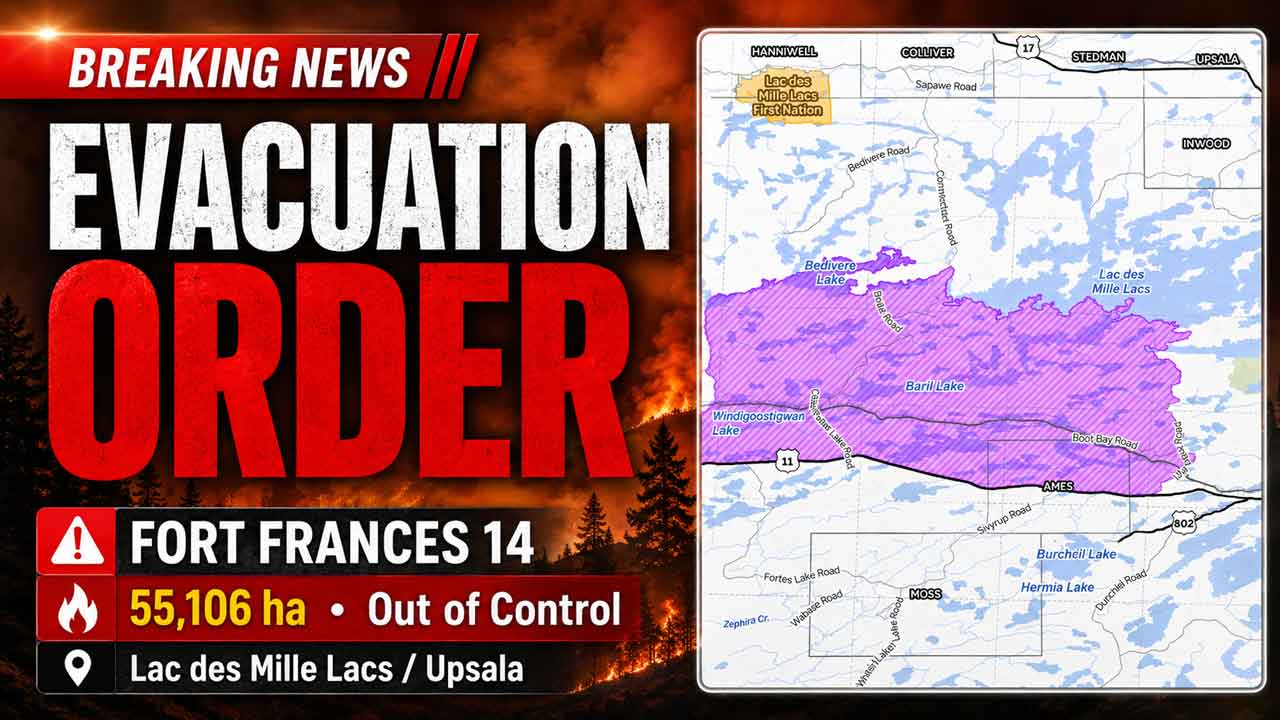
Updated Evacuation Information for Wildfire Fort Frances 14 (July 17 2026)
Environment
Updated Evacuation Information for Wildfire Fort Frances 14 (July 17 2026)
 Environment
A powerful movement of healing arrives at Delta’s Discovery Centre
Environment
A powerful movement of healing arrives at Delta’s Discovery Centre
 Environment
Port Coquitlam mayor launches program that removes graffiti on public property within 48 hours
Environment
Port Coquitlam mayor launches program that removes graffiti on public property within 48 hours
 Environment
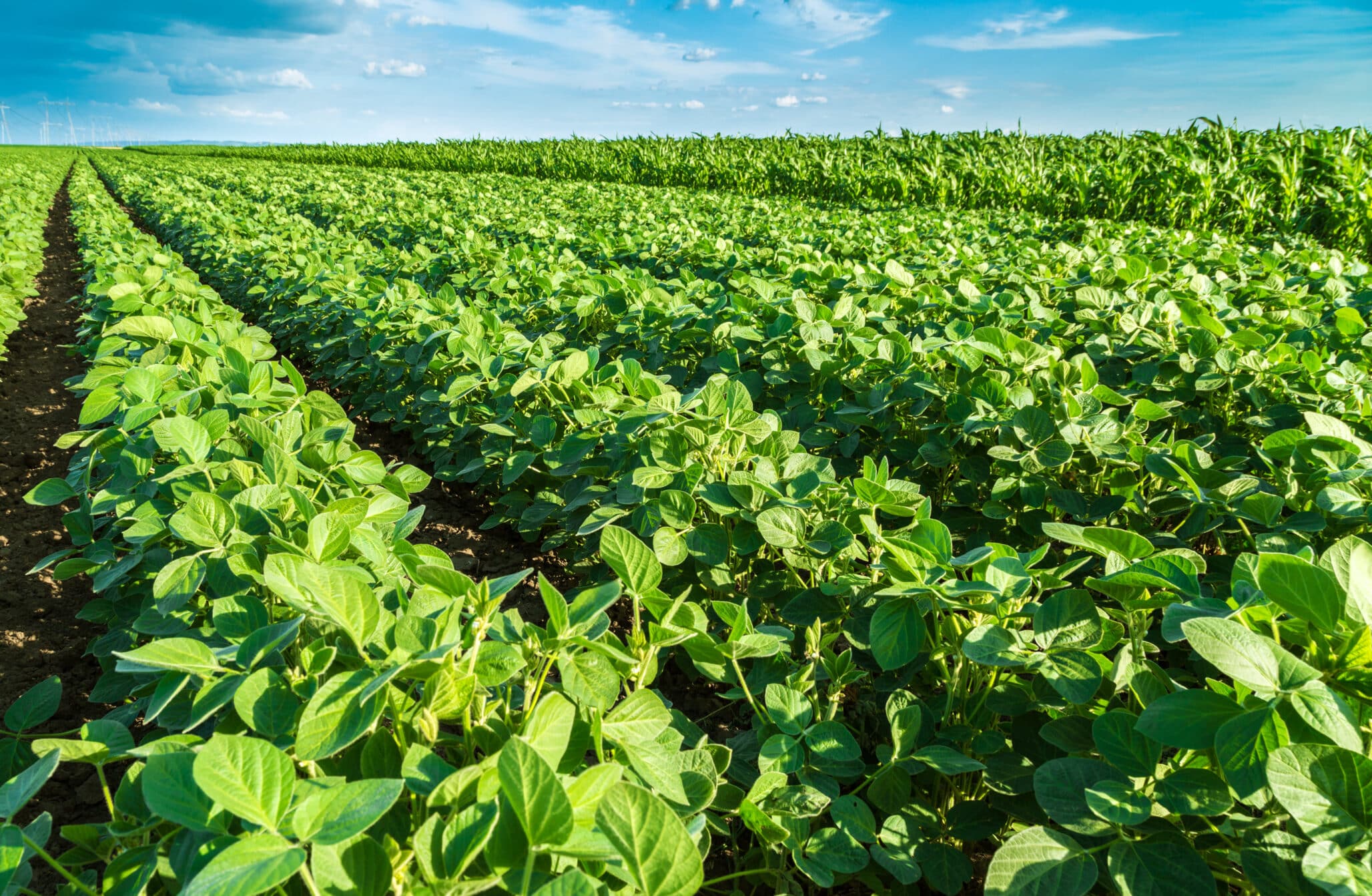
EU Excludes Soybean Seed from Deforestation Rules
Environment
EU Excludes Soybean Seed from Deforestation Rules
 Environment
Metro Vancouver issues air quality warning as wildfire smoke drifts in
Environment
Metro Vancouver issues air quality warning as wildfire smoke drifts in
More Local Coverage
Latest news Business
AI Market Trends: Q2 2026 Review and Forecast
Business
AI Market Trends: Q2 2026 Review and Forecast
 Politics
Powerful pro-life ad featuring boxing legend to air during final World Cup matches
Politics
Powerful pro-life ad featuring boxing legend to air during final World Cup matches