


As two out-of-control wildfires burn up in the Fraser Canyon, Metro Vancouver’s air quality could get a lot worse. This morning, Metro Vancouver Regional District released an air quality update, saying that “an air quality warning is possible, if conditions worsen.” They said that eastern parts of the Fraser Valley are being impacted by smoke from the wildfires close to Boston Bar and Hope, and that parts of Metro Vancouver are “experiencing hazy conditions.” “Fine particulate matter (air pollution particle) measurements are slightly higher than usual across the region, especially in the eastern parts, but remain below air quality warning thresholds,” reads the air quality update. However, they added that with winds forecast to shift direction later today, it could push the smoke away from the region and improve air quality. “Wildfire and smoke behaviour can change quickly, and Metro Vancouver staff are keeping an eye on conditions.” According to IQAir, a platform that provides real-time air quality data, Vancouver’s air quality is the 105th worst in the world at the time of publication. OUT-OF-CONTROL WILDFIRES On Thursday morning, the Fraser Valley Regional District (FVRD) issued an evacuation order for the area of Boston Bar, a community about a five-and-a-half-hour drive from Vancouver. The FVRD said that they issued the order “due to increased wildfire behaviour.” The two fires of note are the Brunswick Creek fire, which is 3,578 hectares, and the Ainslie Creek fire, which is 16,197 hectares. THE EFFECTS OF WILDFIRE SMOKE Wildfire smoke can cause health impacts, especially to people with lung, heart, or other chronic conditions, as well as those who are pregnant, infants, older adults, and outdoor workers. According to the BC Centre for Disease Control (BCCDC), smoky air makes it more challenging for your lungs to get oxygen to your blood, irritates your respiratory system and causes an immune response, increasing the risk of some infections. Some of the mild symptoms people might experience include: - Eye irritation - Runny nose - Sore throat - Mild cough - Phlegm production More severe symptoms, which the BCCDC advises seeking medical attention for if you experience, include: - Wheezy breathing - Headaches - Shortness of breath - Dizziness - Chest pain Reducing exposure to wildfire smoke is the best way to protect yourself, and the BCCDC advises that people use portable air cleaners with HEPA filtration, make a homemade air cleaner if necessary, or, if you have forced air heating, use different filters and settings to minimize the amount of wildfire smoke. They also suggest people visit libraries, community centres, and shopping malls to find cooler, filtered air. You might also like: - Will Canadian wildfires smoke out the FIFA World Cup Final? - Campfire ban coming to much of B.C. starting tomorrow - Tonight's Vancouver Whitecaps game has been postponed
As two out-of-control wildfires burn up in the Fraser Canyon, Metro Vancouver’s air quality could get a lot worse. This morning, Metro Vancouver Regional District released an air quality update, saying that “an air quality warning is possible, if conditions worsen.” They said that eastern parts of the Fraser Valley are being impacted by smoke from the wildfires close to Boston Bar and Hope, and that parts of Metro Vancouver are “experiencing hazy conditions.”
“Fine particulate matter (air pollution particle) measurements are slightly higher than usual across the region, especially in the eastern parts, but remain below air quality warning thresholds,” reads the air quality update. However, they added that with winds forecast to shift direction later today, it could push the smoke away from the region and improve air quality. “Wildfire and smoke behaviour can change quickly, and Metro Vancouver staff are keeping an eye on conditions.”
According to IQAir, a platform that provides real-time air quality data, Vancouver’s air quality is the 105th worst in the world at the time of publication. Out-of-control wildfires On Thursday morning, the Fraser Valley Regional District (FVRD) issued an evacuation order for the area of Boston Bar, a community about a five-and-a-half-hour drive from Vancouver. The FVRD said that they issued the order “due to increased wildfire behaviour.”
The two fires of note are the Brunswick Creek fire, which is 3,578 hectares, and the Ainslie Creek fire, which is 16,197 hectares. The effects of wildfire smoke Wildfire smoke can cause health impacts, especially to people with lung, heart, or other chronic conditions, as well as those who are pregnant, infants, older adults, and outdoor workers. According to the BC Centre for Disease Control (BCCDC), smoky air makes it more challenging for your lungs to get oxygen to your blood, irritates your respiratory system and causes an immune response, increasing the risk of some infections.
Some of the mild symptoms people might experience include: - Eye irritation - Runny nose - Sore throat - Mild cough - Phlegm production More severe symptoms, which the BCCDC advises seeking medical attention for if you experience, include: - Wheezy breathing - Headaches - Shortness of breath - Dizziness - Chest pain Reducing exposure to wildfire smoke is the best way to protect yourself, and the BCCDC advises that people use portable air cleaners with HEPA filtration, make a homemade air cleaner if necessary, or, if you have forced air heating, use different filters and settings to minimize the amount of wildfire smoke.
They also suggest people visit libraries, community centres, and shopping malls to find cooler, filtered air.
- Published
- Jul 16, 2026
- Updated
- Jul 16, 2026
- Source
- Daily Hive Victoria
- Category
- Environment
- City
- Vancouver
- Read time
- 2 min
Key facts
Why this matters locally
This environment story matters locally because it may affect readers, businesses, commuters, families, or public services in Vancouver.
Local impact
BC Post links this item to Vancouver coverage so readers can follow related city updates, weather, traffic, events, and category news in one place.
Timeline
Source and credit
BC Post may summarize, organize, and add local context for reader clarity. Original reporting remains with the listed publisher.
Related Articles
View all Local News
Lions earn first win by handing Elks their first loss in 36-24 decision
Local News
Lions earn first win by handing Elks their first loss in 36-24 decision
 Business
B.C.'s Massey Tunnel replacement doubles in cost to estimated $8.5 billion
Business
B.C.'s Massey Tunnel replacement doubles in cost to estimated $8.5 billion
 Local News
Consumer watchdog secures 4 ticketing undertakings during World Cup
Local News
Consumer watchdog secures 4 ticketing undertakings during World Cup
 Sports
Thoughts turn to legacy as full-time whistle nears for Vancouver's World Cup
Sports
Thoughts turn to legacy as full-time whistle nears for Vancouver's World Cup
 Top
BCWS aircraft helping Kamloops firefighters battle grass fire above Shuswap Road
Top
BCWS aircraft helping Kamloops firefighters battle grass fire above Shuswap Road
 Top
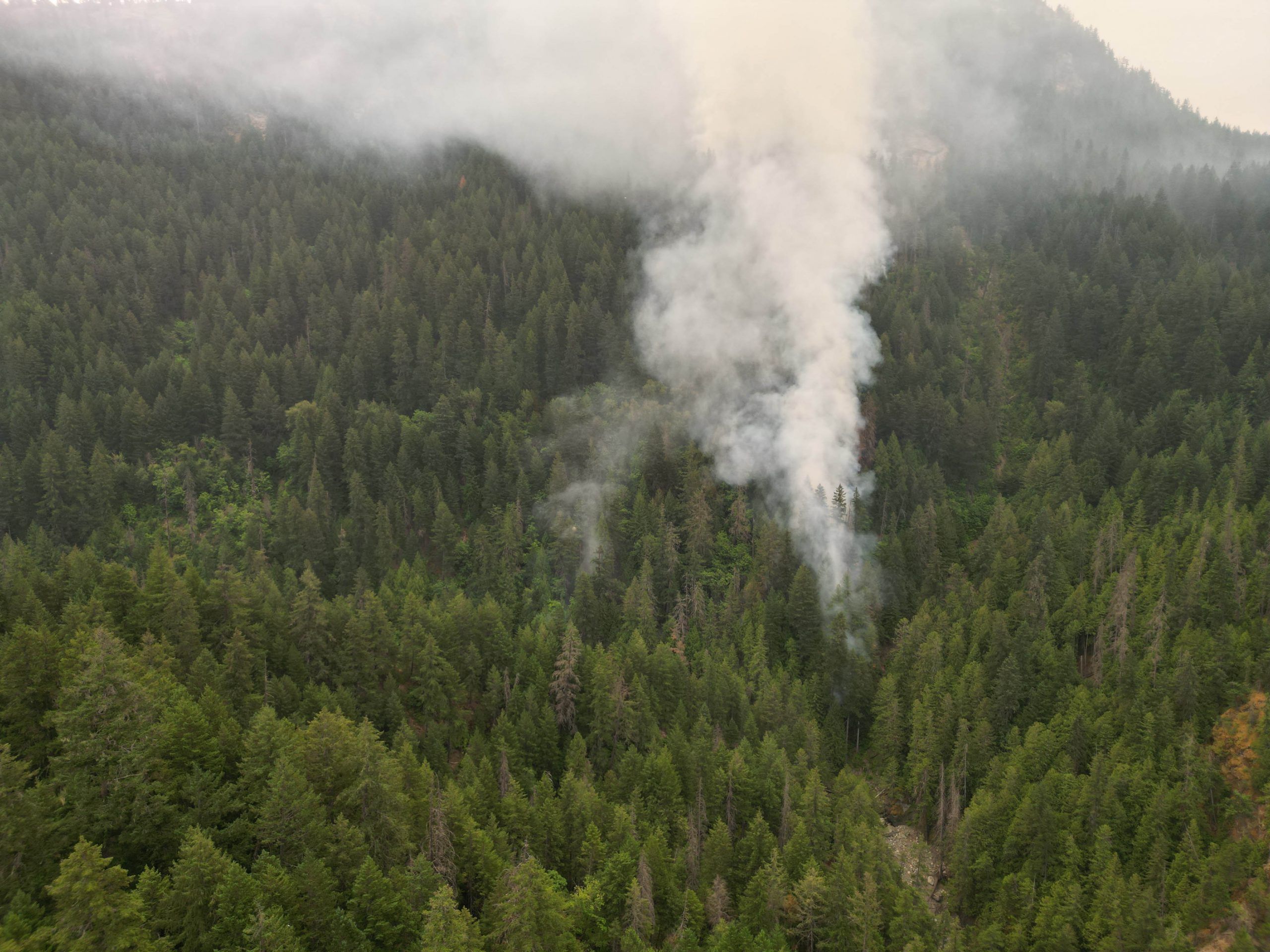
Brunswick Creek wildfire grows, leads to air quality warning in east Fraser Valley
Top
Brunswick Creek wildfire grows, leads to air quality warning in east Fraser Valley
More From Vancouver
View all Top
Vancouver daycare avoids eviction from church hall — but only until year's end
Top
Vancouver daycare avoids eviction from church hall — but only until year's end
 Business
'We know we're a little crazy': Sisters turn spontaneous idea into downtown Vancouver cafe
Business
'We know we're a little crazy': Sisters turn spontaneous idea into downtown Vancouver cafe
 Top
Lightning hits homes on Vancouver Island as storm swept across region
Top
Lightning hits homes on Vancouver Island as storm swept across region
More Local Coverage
Latest news Business
AI Market Trends: Q2 2026 Review and Forecast
Business
AI Market Trends: Q2 2026 Review and Forecast
 Politics
Powerful pro-life ad featuring boxing legend to air during final World Cup matches
Politics
Powerful pro-life ad featuring boxing legend to air during final World Cup matches