

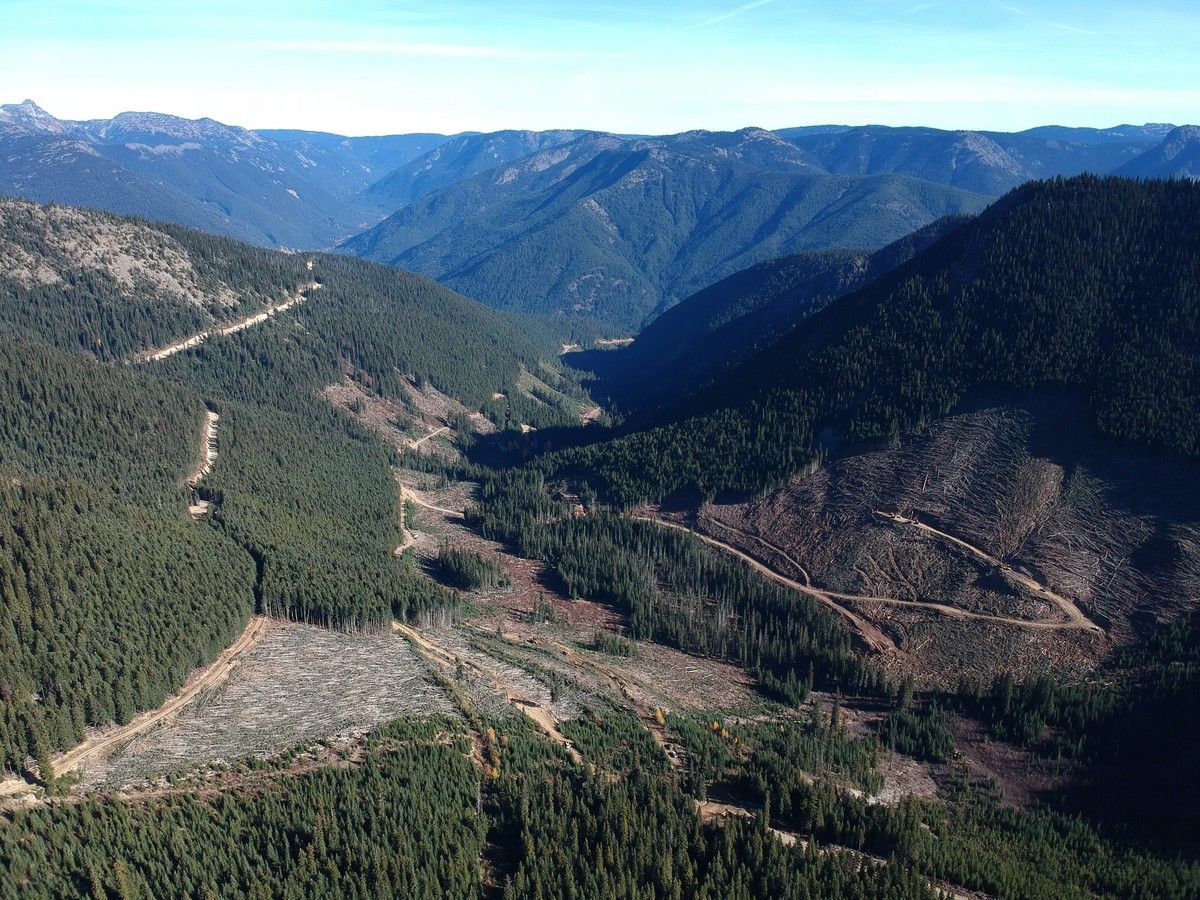
A survey by the Outdoor Recreation Council of B.C. asks people to tell them about the condition of roads they use to access the backcountry.
Hikers trying to climb Chilliwack’s most iconic mountain peak in recent years have first had to endure a bruising ride up to the trailhead. On Mt. Cheam Road Updates, a Facebook page dedicated to the access road, hikers post photographs of feats of four-wheel-driving involving a boulder-strewn washout that has become almost impassable. Under each post, people discuss lift kits, tire sizes and winches, with advice like: “I just needed to remove my running board.”
As some resource roads across the province fall into disrepair, including those that lead to provincial parks, campsites, fishing lakes, hunting, ski-touring and snowmobiling areas, outdoor groups are working to save them. A survey created by the Outdoor Recreation Council of B.C. opened last week to understand which roads matter most for outdoor recreation. No one is suggesting that every metre of the 600,000 kilometres of resource roads across B.C. can be maintained, said Louise Pedersen, the council’s executive director.
But creating an inventory is the first step in a process that could eventually include discussions with the B.C. government about saving the most important. “The response to this has really been unprecedented,” said Pedersen. “A lot of people have had experience with this issue, whether it is a lake or a campsite or a trail they have visited for years, and now it has become very challenging.”
Many of the roads British Columbians use to access the backcountry were created by resource companies to facilitate logging, mining or power projects, said Monika Bittel, advocacy chairperson with the Federation of Mountain Clubs of B.C. When the projects wrap up, the company continues to hold liability for the road and must follow a process to decommission it. “Their mandate is not recreation,” she said.
While the province maintains some resource roads to high-value sites, they may be deactivated when they become too costly to maintain. As the damage from storms, wildfires and events like rock slides increases due to climate change, advocates said an increasing number of roads are being lost, and with them, access to important recreation areas. In the Kootenays, off-road-users have joined landowners to ask the province to maintain foot and ATV access to the Incomappleux Forest Service Road.
After a rock slide 20 years ago damaged a key bridge, concerns about safety and a lack of funds prompted the government to recently announce that it’s deactivating the road, which provides access to about 150 private properties. “The biggest issue for us is bridges,” said Doug Brackett, vice-president of the B.C. Snowmobile Federation and member of the Nelson club. While the club typically holds a permit to create and maintain snowmobile trails that run on top of resource roads in the winter, they don’t maintain the bridges on the roads, many of which were designed for large logging trucks.
That level of engineering makes bridges costly to maintain long after trucks no longer use the route, and as a result, roads are deactivated rather than saved. “There’s no legal device to decommission the road to a standard that maintains public recreation,” said Brackett. He’s seen various types of deactivations, including gates, culvert removal, the creation of “tank traps” or trenches and berms, and roads completely cut out of the hillside to prevent access.
“A lot of money is spent on deactivations,” he said. “In some cases, that money could provide decades of maintenance funds.” Bittel said outdoor groups are hoping for a legislative framework that includes outdoor recreation in decisions about maintaining resource roads.
An inventory would help determine which roads to prioritize and to what standard. Pedersen said outdoor recreation and adventure tourism directly contributed more than $4.8 billion to B.C.’s economy in 2023, representing about 1 1/2 per cent of provincial GDP. The sector generated about $17 billion in business revenue in 2023.
One week since it opened, the survey had already received about 400 responses from across B.C. It will remain open until 2027. “Many different users rely on the same roads, including hikers, hunters, anglers, snowmobilers, ATV-users, 4WD-users, mountain bikers, paddlers, backcountry skiers and local residents,” said Pedersen.
“The survey is confirming what many recreation groups have been saying for years: Resource roads are the backbone of outdoor recreation access in B.C.”
- Published
- Jul 12, 2026
- Updated
- Jul 12, 2026
- Source
- Vancouver Sun
- Category
- Environment
- Read time
- 3 min
Key facts
Why this matters locally
This environment story matters locally because it may affect readers, businesses, commuters, families, or public services in British Columbia.
Local impact
BC Post links this item to British Columbia coverage so readers can follow related city updates, weather, traffic, events, and category news in one place.
Timeline
Source and credit
BC Post may summarize, organize, and add local context for reader clarity. Original reporting remains with the listed publisher.
Related Articles
View all Environment
A powerful movement of healing arrives at Delta’s Discovery Centre
Environment
A powerful movement of healing arrives at Delta’s Discovery Centre
 Environment
50-hectare wildfire burns between Clearwater and 100 Mile House
Environment
50-hectare wildfire burns between Clearwater and 100 Mile House
 Environment
Metro Vancouver issues air quality warning as wildfire smoke drifts in
Environment
Metro Vancouver issues air quality warning as wildfire smoke drifts in
 Environment
Vancouver forecast in 'sweet spot' but hot temperatures on the way
Environment
Vancouver forecast in 'sweet spot' but hot temperatures on the way
 Environment
Mark Carney's new climate doctrine
Environment
Mark Carney's new climate doctrine
 Environment
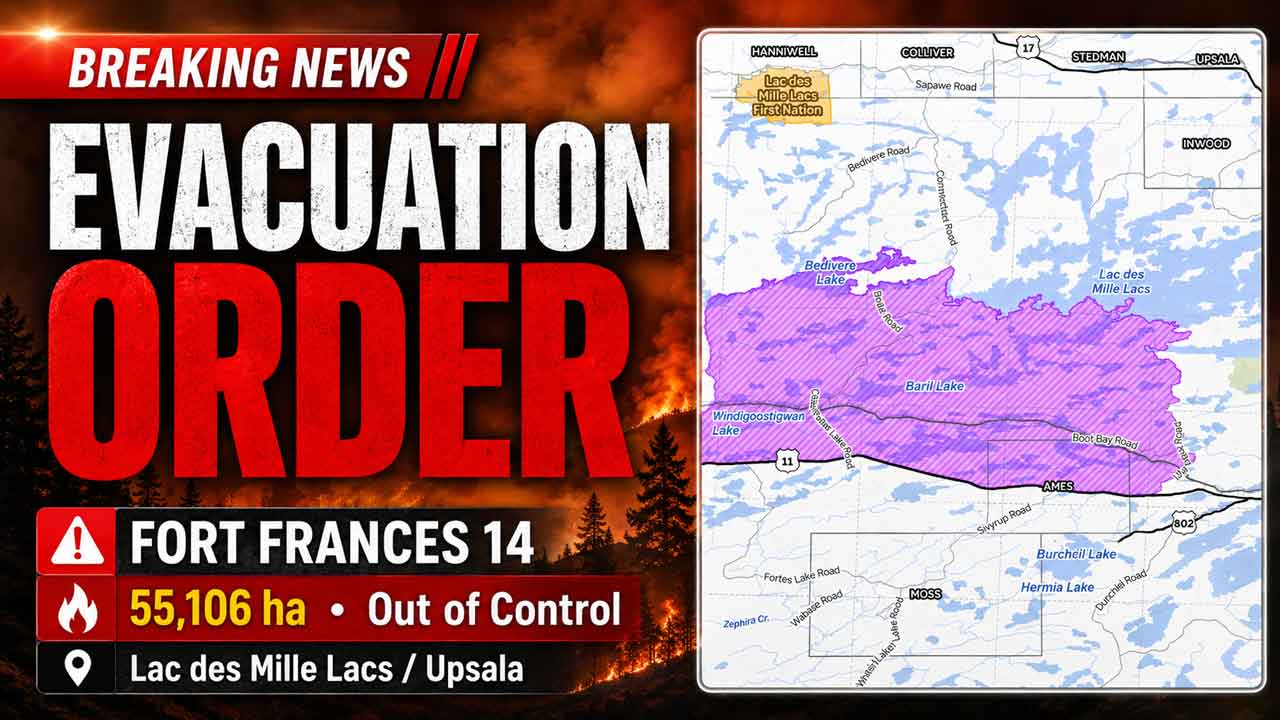
Updated Evacuation Information for Wildfire Fort Frances 14 (July 17 2026)
Environment
Updated Evacuation Information for Wildfire Fort Frances 14 (July 17 2026)
More Local Coverage
Latest news Politics
Powerful pro-life ad featuring boxing legend to air during final World Cup matches
Politics
Powerful pro-life ad featuring boxing legend to air during final World Cup matches
 Business
AI Market Trends: Q2 2026 Review and Forecast
Business
AI Market Trends: Q2 2026 Review and Forecast