


Mayor Patterk Netser says it’s the first such hunt in around seven years
Bowhead whale harvest celebrated in Coral Harbour Published 3:04 am Monday, July 13, 2026 At least six or seven years have passed since a bowhead whale was last harvested in the Salliq region. That changed earlier this month as the hamlet celebrated the success of hunters in harvesting one of the huge animals measuring well over 30 feet in length.
Coral Harbour Mayor Patterk Netser said it was an exciting time for the community. “Our community group of hunters left (July 2) evening about 7 p.m., and by 12:30 a.m., they harvested a bowhead whale. So it been pretty exciting,” Netser said.
“The weather had been phenomenal — I think about 23 C — and about 65 to 75 miles from the community southwest of here, they came across a pod of bowhead whales.” He said the hunters had been busy organizing a bowhead hunt for Coral Harbour this spring. Netser also said he was helping organize people to get the animal onto the beach.
“Three or four boats (were) hauling it to the area ... and I organized a contingency of about 15 to 20 people to go down to go help,” he said. While the whale was over 30 feet in length, he said it’s “not that big, so it’ll be nice, tender blubber, maktak.”
According to Fisheries and Oceans Canada (DFO), bowhead whales in the Kivalliq region can be up to 66 ft. in length and weigh between 165,000 to 220,000 lbs. Capable crew Aaron Emiktowt was one of the crew and said David Mattoo organized the hunt with 72-year-old Lucassie (Luke) Eetuk being the captain. “The crew was awesome (with a) good captain,” said Emiktowt.
“We had an experienced crew with some young men learning at hand.” Emiktowt said they travelled in six boats with three men aboard each one. “We all had good boats, not (the) small type.”
Emiktowt said he has experience being involved in three bowhead whale hunts in the past and said it was an “ancient tool kill” using two types of spears – a throw-type and an anguvigaq, or lance, described as a “deadly heart tool.” Once the whale slowed down after the grenade explosive was set off, he said he was able to use the anguvigaq. He estimated the whale to be between 35 to 38 ft. long.
Experience and precision In terms of the hunt, Netser said it was no doubt quite difficult. “But they know how to do it now,” he said. “So, everything is done in extreme caution, and the people are very good at it.”
Netser said that amount of whale meat will feed the “whole community of 1,000 people and probably more.” He said the length of time it takes to divide up such a quantity of meat depends on the size of the whale, because it is “a huge stockpile of meat” and they will then have to bring it to town, divide it amongst the people and then put it into the community deep freezer. “And then we’ll stock up for the coming months,” he said.
“We will be sending some to other communities for people that want some, of course.” In a social media post from the Kivalliq Inuit Association (KIA), congratulations were offered to the hunters for their achievement that “carries deep cultural and community significance across Nunavut.” The message continued on to say the bowhead hunt is a “cornerstone of Inuit identity” and one which strengthens food security and the Inuit tradition of sharing.
“This harvest also creates an invaluable space for Elders and youth to work side-by-side, passing down traditional knowledge in tracking, harvesting, butchering, and community cooperation – skills that have sustained Inuit for generations,” read the statement.
- Published
- Jul 13, 2026
- Updated
- Jul 13, 2026
- Source
- Nunavut News
- Category
- Environment
- Read time
- 3 min
Key facts
Why this matters locally
This environment story matters locally because it may affect readers, businesses, commuters, families, or public services in British Columbia.
Local impact
BC Post links this item to British Columbia coverage so readers can follow related city updates, weather, traffic, events, and category news in one place.
Timeline
Source and credit
BC Post may summarize, organize, and add local context for reader clarity. Original reporting remains with the listed publisher.
Related Articles
View all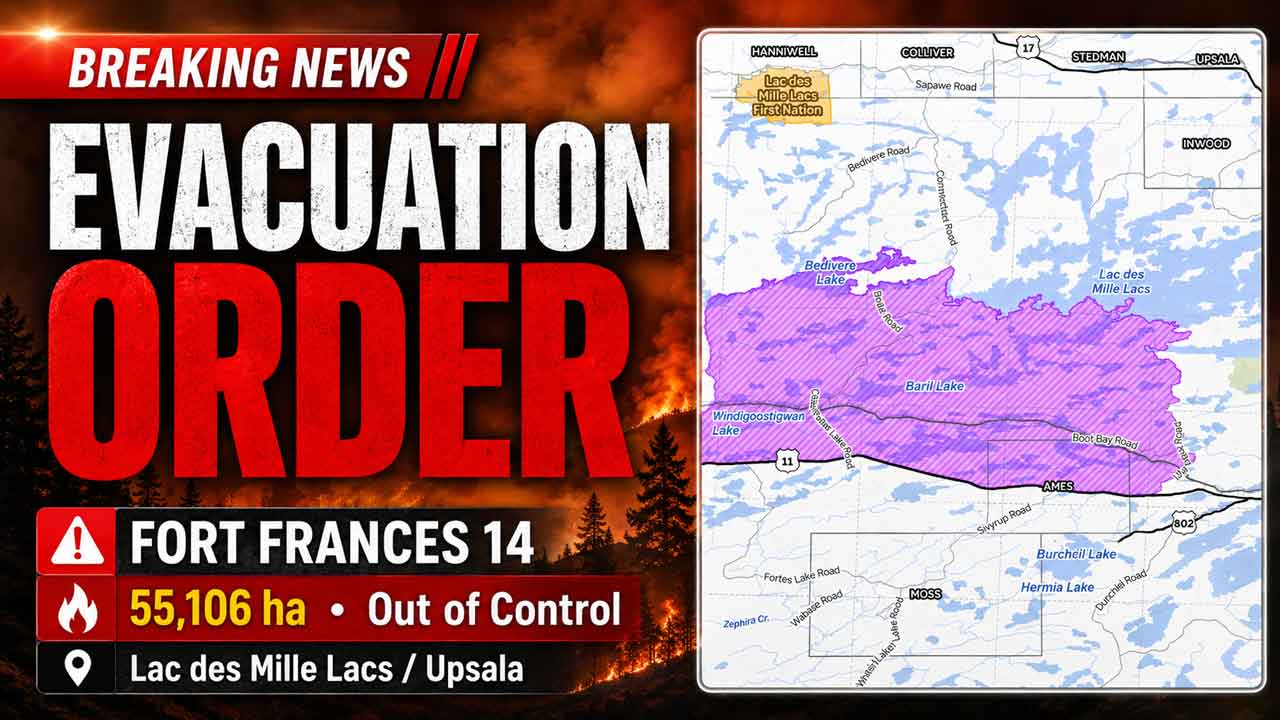 Environment
Updated Evacuation Information for Wildfire Fort Frances 14 (July 17 2026)
Environment
Updated Evacuation Information for Wildfire Fort Frances 14 (July 17 2026)
 Environment
50-hectare wildfire burns between Clearwater and 100 Mile House
Environment
50-hectare wildfire burns between Clearwater and 100 Mile House
 Environment
2 wildfires north of Anahim Lake currently out-of-control
Environment
2 wildfires north of Anahim Lake currently out-of-control
 Environment
Port Coquitlam mayor launches program that removes graffiti on public property within 48 hours
Environment
Port Coquitlam mayor launches program that removes graffiti on public property within 48 hours
 Environment
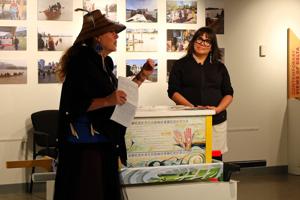
A powerful movement of healing arrives at Delta’s Discovery Centre
Environment
A powerful movement of healing arrives at Delta’s Discovery Centre
 Environment
'Fending for ourselves' after Manitoba wildfire forces evacuation: O-Pipon-Na-Piwin leaders
Environment
'Fending for ourselves' after Manitoba wildfire forces evacuation: O-Pipon-Na-Piwin leaders
More Local Coverage
Latest news Business
AI Market Trends: Q2 2026 Review and Forecast
Business
AI Market Trends: Q2 2026 Review and Forecast
 Politics
Powerful pro-life ad featuring boxing legend to air during final World Cup matches
Politics
Powerful pro-life ad featuring boxing legend to air during final World Cup matches
 Top
‘Entire city’ asked to help search for missing 11-year-old Parker: Calgary police
Top
‘Entire city’ asked to help search for missing 11-year-old Parker: Calgary police