

Consistent exposure to brighter daytime light was associated with earlier sleep timing and deeper early night sleep. A bright afternoon may influence what happens hours later when the lights go out. Research led by University of Manchester scientists suggests that stronger and more consistent daytime light exposure is linked to earlier sleep, earlier waking, and [...]
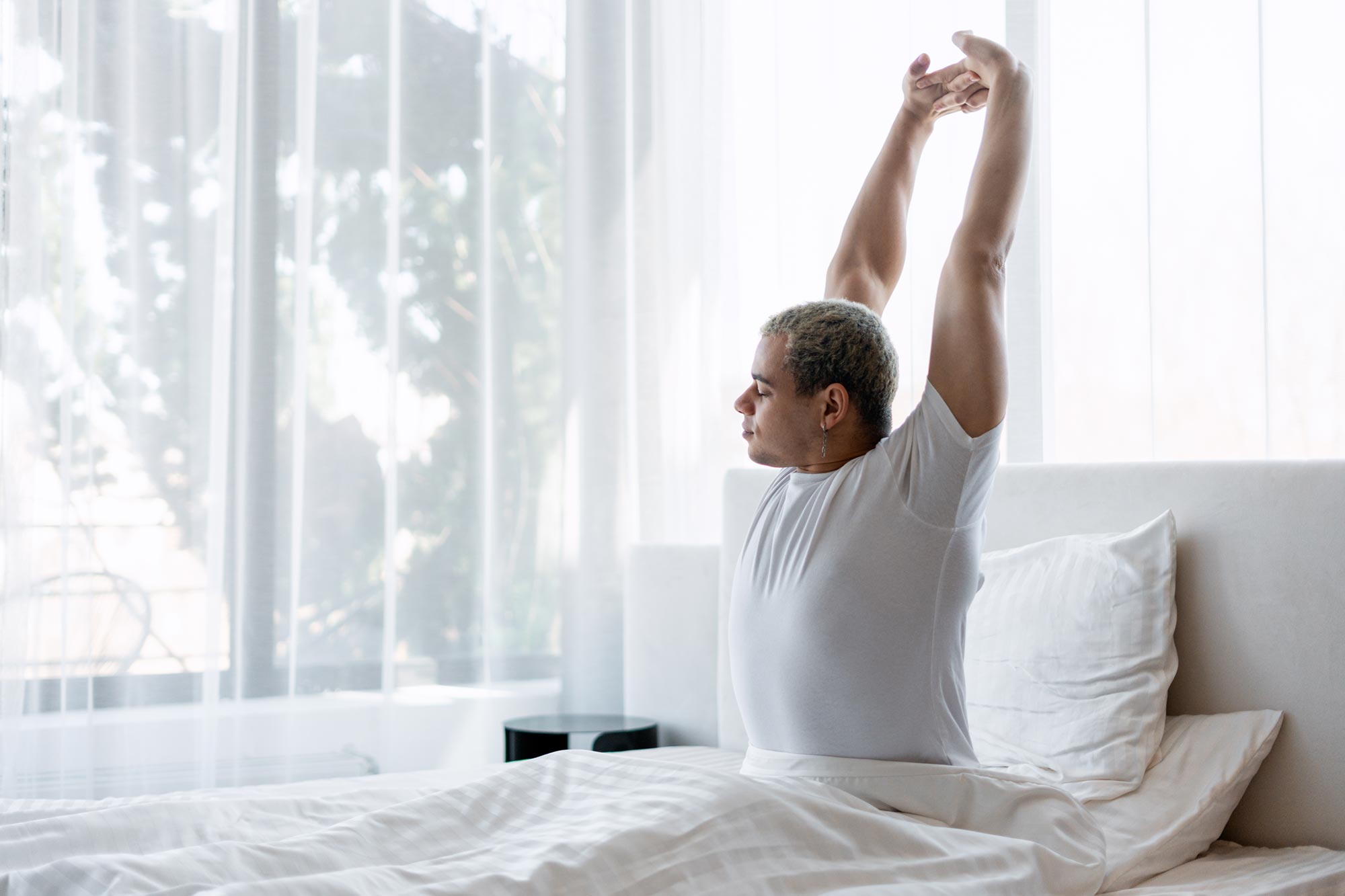
Consistent exposure to brighter daytime light was associated with earlier sleep timing and deeper early night sleep. A bright afternoon may influence what happens hours later when the lights go out. Research led by University of Manchester scientists suggests that stronger and more consistent daytime light exposure is linked to earlier sleep, earlier waking, and deeper rest.
Sleep is one of the body’s most basic needs. When it is repeatedly disrupted, problems can emerge in mood, memory, metabolism, and long-term health. Laboratory studies have already shown that light can shift sleep schedules and change how much time people spend in different sleep stages.
Light also helps reset the body’s internal clock each morning, shaping when people feel alert, when tiredness begins, and how deeply they sleep. The researchers wanted to know whether those laboratory effects could also be detected during ordinary daily life. They therefore followed participants using wearable devices rather than limiting observations to a controlled sleep lab.
Daily light patterns predicted sleep timing Eighty-nine adults wore a sensor that measured melanopic light, the type of light that has the strongest effect on the body clock, along with a consumer sleep tracker. They also completed sleep diaries each day. The devices collected more than 500 days of data and revealed three main patterns: - Participants who spent more time in brighter daytime light generally fell asleep and woke earlier.
- People with steadier light exposure across the week also tended to have healthier sleep timing. - Those exposed to more regular light, with fewer abrupt changes between dim and bright conditions, experienced more deep sleep during the first part of the night, a stage important for memory, recovery, and overall health. Indoor lighting may work against sleep The results add to concerns about modern indoor environments.
Many people spend their days under lighting that is much dimmer than natural daylight, then encounter evenings that are brighter than the body would normally expect. This mismatch has been associated with chronic health conditions and a higher risk of death. The findings show that these patterns can be measured in everyday settings.
They also suggest that brighter days and more stable light routines are associated with better sleep outside controlled laboratory conditions. Poorer sleep widened perception gaps Participants’ descriptions of their sleep generally agreed with the measurements from their wearable devices. However, when sleep was more disturbed, including nights with less deep sleep or REM sleep, the difference between how participants believed they had slept and what their trackers recorded became larger.
The most consistent light patterns were also associated with deeper sleep concentrated earlier in the night. Lead
Source and reference
author Altug Didikoglu from The University of Manchester and the Izmir Institute of Technology in Turkey said: “Our findings show that brighter days and steadier light routines aren’t just nice to have — they may be fundamental for healthier sleep. “By simply getting more consistent daylight exposure, people could meaningfully improve how they sleep at night.” “This study highlights the power of naturalistic research, showing that everyday environments can be measured using affordable consumer devices. “It also points to a simple public health message: brighter days may lead to better nights. “And keeping light exposure stable — avoiding chaotic patterns of dim and bright light — could help strengthen the body’s internal rhythms.” Reference: “Light exposure and sleep architecture in real-world settings” by Sena Gulsum Akgun, Burcu Gemici, Chloe Roddis, Lucien Bickerstaff, Beatriz...
Read original source- Published
- Jul 16, 2026
- Updated
- Jul 16, 2026
- Source
- Scitechdaily
- Category
- Health
- Read time
- 3 min
Key facts
Why this matters locally
This health story matters locally because it may affect readers, businesses, commuters, families, or public services in British Columbia.
Local impact
BC Post links this item to British Columbia coverage so readers can follow related city updates, weather, traffic, events, and category news in one place.
Timeline
Source and credit
BC Post may summarize, organize, and add local context for reader clarity. Original reporting remains with the listed publisher.
Related Articles
View all Health
Provation Expands Global Footprint with Launch of Provation® Apex in Australia and New Zealand
Health
Provation Expands Global Footprint with Launch of Provation® Apex in Australia and New Zealand
 Health
The Surprising Cellular Benefit of the Pigment Behind Red Hair
Health
The Surprising Cellular Benefit of the Pigment Behind Red Hair
 Health
Coffee May Protect the Liver in More Ways Than Scientists Realized
Health
Coffee May Protect the Liver in More Ways Than Scientists Realized
 Health
Neuroscientists find a teamwork paradox: highly synchronized brains perform worse at complex tasks
Health
Neuroscientists find a teamwork paradox: highly synchronized brains perform worse at complex tasks
 Health
Study ties some birth control to brain tumours, but risks ‘rare’: experts
Health
Study ties some birth control to brain tumours, but risks ‘rare’: experts
More Local Coverage
Latest news Business
AI Market Trends: Q2 2026 Review and Forecast
Business
AI Market Trends: Q2 2026 Review and Forecast
 Politics
Powerful pro-life ad featuring boxing legend to air during final World Cup matches
Politics
Powerful pro-life ad featuring boxing legend to air during final World Cup matches