


While early abuse is a known risk factor for psychopathy, the psychological pathways connecting the two remain murky. New research suggests that an avoidant attachment style acts as a bridge, linking traumatic childhoods to cold, antisocial behaviors in adulthood.
Early childhood abuse and neglect are consistently linked to the manifestation of psychopathic traits in adulthood. The psychological pathways bridging early trauma and later antisocial personality features have remained somewhat ambiguous. A recent evaluation of incarcerated men suggests that an avoidant attachment style acts as a central dynamic in this relationship, separating those who develop cold, calculated traits from those who do not.
The research was recently published in the International
Source and reference
Journal of Offender Therapy and Comparative Criminology . Psychopathy is a clinical construct characterized by two primary dimensions. The first dimension involves interpersonal and affective traits, such as a lack of empathy, grandiosity, and shallow emotions. The second dimension encompasses antisocial and impulsive behaviors, such as a failure to take responsibility, poor behavioral controls, and persistent rule-breaking. Incarcerated populations generally exhibit higher rates of these traits compared to the general public. Some individuals exhibit high levels of psychopathic traits without ever engaging in criminal behavior. These people often display boldness, extreme self-confidence, and risk-taking tendencies that can even translate into professional success. Psychologists continually debate what variables dictate whether a psychopathic personality structure manifests in a...
Read original source- Published
- Jul 14, 2026
- Updated
- Jul 14, 2026
- Source
- Psypost - Psychology News
- Category
- Health
- Read time
- 5 min
Key facts
Why this matters locally
This health story matters locally because it may affect readers, businesses, commuters, families, or public services in British Columbia.
Local impact
BC Post links this item to British Columbia coverage so readers can follow related city updates, weather, traffic, events, and category news in one place.
Timeline
Source and credit
BC Post may summarize, organize, and add local context for reader clarity. Original reporting remains with the listed publisher.
Related Articles
View all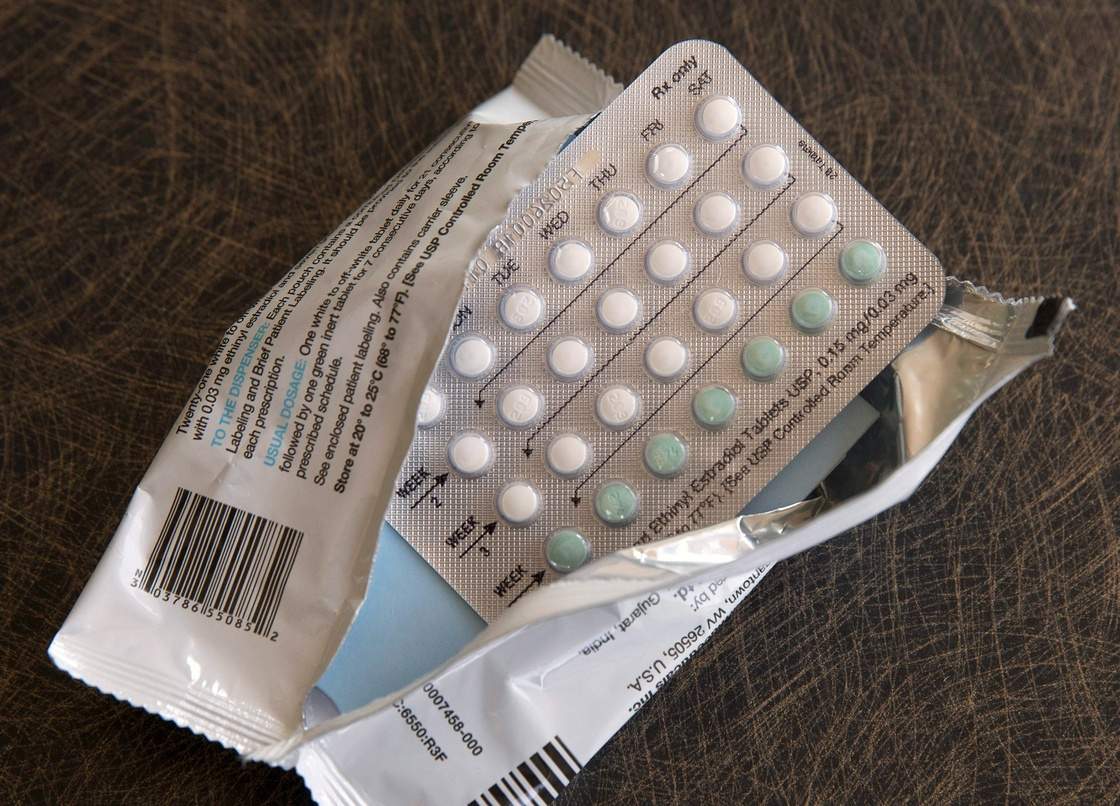 Health
Study ties some birth control to brain tumours, but risks ‘rare’: experts
Health
Study ties some birth control to brain tumours, but risks ‘rare’: experts
 Health
The Surprising Cellular Benefit of the Pigment Behind Red Hair
Health
The Surprising Cellular Benefit of the Pigment Behind Red Hair
 Health
Tactile Systems: Clean Balance Sheet, But A Possible Value Trap
Health
Tactile Systems: Clean Balance Sheet, But A Possible Value Trap
 Health
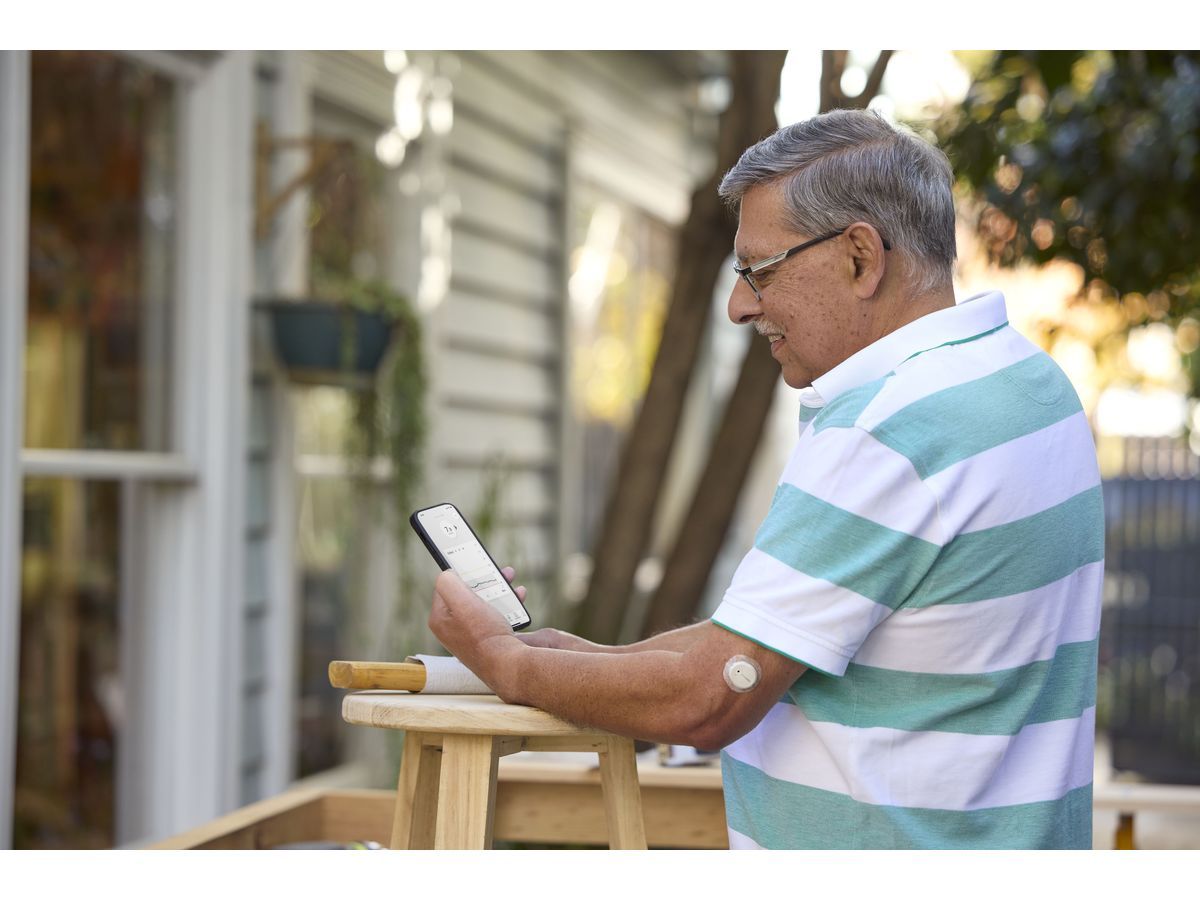
Dexcom G7 15 Day Receives Health Canada Authorization: Extending Wear and Continuity for Canadian Adults Living with Diabetes
Health
Dexcom G7 15 Day Receives Health Canada Authorization: Extending Wear and Continuity for Canadian Adults Living with Diabetes
More Local Coverage
Latest news Politics
Powerful pro-life ad featuring boxing legend to air during final World Cup matches
Politics
Powerful pro-life ad featuring boxing legend to air during final World Cup matches
 Local News
Cowichan sports shorts: rugby, hockey, biking
Local News
Cowichan sports shorts: rugby, hockey, biking