


The post Canadians design bubbly floating solar for icy lakes | CBC Climate appeared first on Media Relations .
Canadians design bubbly floating solar for icy lakes Also: Could cities recycle heat produced by data centres? Welcome to our weekly newsletter where we highlight environmental trends and solutions that are moving us to a more sustainable world. Hi, it's Emily.
I've been interested in the idea of floating solar and disappointed that we never see it here in Canada. So I was excited to hear about Canadian researchers' new ice-resistant floating solar design. This week: - Canadians design bubbly floating solar for icy lakes - The Big Picture: Lot full of bikes - Could cities recycle heat produced by data centres?
Canadians design bubbly floating solar for icy lakes Solar panels that float on lakes, reservoirs and other bodies of water are growing in popularity around the world, from Japan to France to Paraguay. They can generate clean energy without taking up valuable space on land. Despite that, such "floatovoltaics" remain rare in Canada, although they have been tested.
A previous issue of this newsletter examined the reasons, including the challenges posed by northern winters. Koami Soulemane Hayibo, a postdoctoral researcher at Western University in London, Ont., said most floating solar installations around the world have been deployed in warmer climates. In Canada, he said, "your main challenge is going to be winter ice formation."
Hayibo and his colleagues designed a floating solar system intended to prevent ice from forming. They tested it on an artificial pond in southwestern Ontario and published their results in the
Source and reference
journal Applied Energy. Hayibo said he became interested in solar because of its potential to bring inexpensive, clean energy to places such as Togo, where he grew up and where electricity was a luxury many people did not have. But while the price of solar panels has fallen, the metal racks used to mount them on land remain expensive. "That's where we can reduce the price more," Hayibo said. Solar panels floating on water do not need metal supports, but traditional floats and anchors can also be costly. In Hayibo's experiment, the panels were attached to inexpensive plastic foam. When ice builds up and weighs down the foam, however, it can extend over the panels and prevent them from generating electricity. To avoid that problem, Hayibo and his team suspended bubblers — similar to those used to aerate aquariums — about 30 centimetres below the panels. The devices pushed warmer water...
Read original source- Published
- Jul 17, 2026
- Updated
- Jul 17, 2026
- Source
- Western University
- Category
- Canada
- Read time
- 12 min
Key facts
Why this matters locally
This canada story matters locally because it may affect readers, businesses, commuters, families, or public services in British Columbia.
Local impact
BC Post links this item to British Columbia coverage so readers can follow related city updates, weather, traffic, events, and category news in one place.
Timeline
Source and credit
BC Post may summarize, organize, and add local context for reader clarity. Original reporting remains with the listed publisher.
Related Articles
View all Canada
Wildfires tick up as lightning flickers across southern B.C.
Canada
Wildfires tick up as lightning flickers across southern B.C.
 Canada
Wildfire crews on alert as lightning arrives in parts of tinder-dry B.C.
Canada
Wildfire crews on alert as lightning arrives in parts of tinder-dry B.C.
 Canada
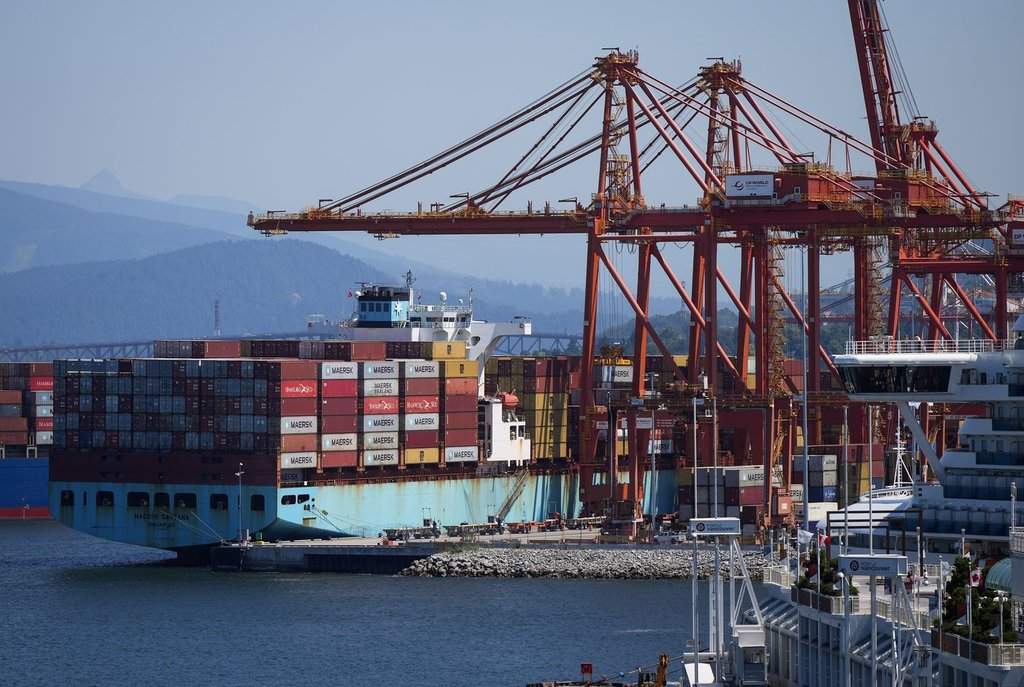
Port of Vancouver expansion project referred to Canada’s Major Projects Office
Canada
Port of Vancouver expansion project referred to Canada’s Major Projects Office
More Local Coverage
Latest news Local News
Cowichan sports shorts: rugby, hockey, biking
Local News
Cowichan sports shorts: rugby, hockey, biking
 Top Stories
Yukon minerals work still under review despite federal announcement
Top Stories
Yukon minerals work still under review despite federal announcement
 Top Stories
Hotel bookings during World Cup down from last year, but B.C. minister sees positives
Top Stories
Hotel bookings during World Cup down from last year, but B.C. minister sees positives