


Chileans elected a pro-market president to revive the economy. They are now getting a reality check as one of Latin America’s richest nations flirts with recession while a rightward regional shift heralds more competition for investment.
(Bloomberg) — Chileans elected a pro-market president to revive the economy. They are now getting a reality check as one of Latin America’s richest nations flirts with recession while a rightward regional shift heralds more competition for investment. New polling shows the weak economy has become the main cause of voter discontent with President José Antonio Kast, catapulting his disapproval higher.
Financial markets are chopping their 2026 growth forecasts following a slew of bad data, throwing in the towel on a lackluster year as activity flops. Kast romped in December’s runoff by pledging to jolt Chile’s private sector back to life with corporate tax cuts, new jobs, surging investments and, more broadly, an overarching push to reestablish law and order following years of leftist rule. His government is confident the worst economic news has passed, and a rebound is within reach.
Still, there’s no getting around the view that he is under more pressure than ever for fast results, especially now that conservative presidents are also about to take office in Peru and Colombia. “The year began with the private sector expecting extensive deregulation — a Chilean version of ‘drill, baby, drill.’ But that has not been the case,” said Esteban Tamayo, an economist at Citigroup Inc.
“If Chile fails to capture investment quickly, it may simply go elsewhere.” The weakness has been broad enough — and surprising enough — to test the market’s faith in a Kast-led turnaround. Chile’s gross domestic product contracted in the first quarter, and economic activity shrank on the month in May after barely growing in April — putting a technical recession on the radar during the very period when Kast promised his actions would lead to improvement.
The drag is not just a story of one bad sector: mining has tumbled year-on-year amid woes including low ore grades, manufacturing has weakened, high fuel prices have dented consumption and industries like construction have failed to show the kind of lift investors expected after Kast’s victory. Unemployment has risen to a five-year peak. Chile’s weakness is especially striking with copper prices hovering near record highs — a powerful tailwind for the world’s top producer of the red metal.
Just months ago, markets were abuzz with talk of growth under Kast possibly jumping to 3% straight out of the gate. Analysts at firms like JPMorgan Chase & Co. and Banco Bradesco SA now see GDP expanding by just 1% this year. ‘Complete Surprise’ What’s more, Peru’s incoming President Keiko Fujimori and her Colombian counterpart Abelardo de la Espriella are also promising deregulation, tax breaks and faster investment approval after they take office this year.
Right across the Andes, Argentina is already drawing attention in key sectors like copper. In Argentina, “these guys are basically coming out with fresh, new investment,” while many projects in Chile are in existing mines, said Nicolás Eterovic, a Latin America economist at Morgan Stanley, adding that the energy sector is another point of competition between both nations. Eterovic is skeptical that a rebound is around the corner in Chile.
He expects activity figures to remain weak over the next six to seven months, with a more pronounced recovery only taking hold in the second half of 2027. A top concern is the labor market. “Companies are not hiring.
You are getting a really poor composition of employment with a high degree of informality. We are not creating private jobs that contribute to social security,” he said. Kast and his team have repeatedly blamed the current economic malaise on the previous president, Gabriel Boric.
But their argument is failing to resonate. Inflation, unemployment and weak growth represent the biggest drivers behind voter disapproval of Kast’s government, which rose to 59% compared to 34% when he came into office in March, according to a Cadem poll published Thursday. Those woes even outrank concerns over the hot-button issues of public security and immigration, that survey showed.
“The first half of the year was a complete surprise, and that ended up completely diminishing expectations for the whole year,” said Samuel Carrasco, chief Chile economist for Credicorp Capital in Santiago. Recovery Bet Still, Carrasco said it’s only a matter of time before the outlook brightens, especially for investment. Indeed, between April and June projects worth over $16 billion secured environmental regulatory approval.
It was the largest amount ever cleared in a single quarter, the government said. The activity downturn is adding urgency to Kast’s economic omnibus bill, which passed the lower house of Congress by a wide margin in May and got preliminary Senate approval in June. With the government stepping up pressure for legislative action, senators are expected to hold article-by-article votes on Wednesday, putting it on the cusp of becoming law.
The bill seeks to drive growth by cutting corporate levies to 23% from 27%, implementing employment subsidies, streamlining the permitting process and establishing tax rate guarantees for big investments, among other proposals. In addition to that economic legislation, “the government will push forward — with inter-ministerial coordination — new measures to boost public and private investment and employment, including a capital markets reform, the details of which will be communicated in due course,” the Finance Ministry said in response to a request for comment. “The fundamentals of the Chilean economy remain solid, as well as capable of responding to challenges and regaining greater dynamism.”
Sales tax collection in June showed the broader economy is picking up, Finance Minister Jorge Quiroz told reporters on July 6, adding that activity will grow in following months. While in March the government raised fuel prices by the most since at least 1980 due to the Middle East war, those costs have come back down, fanning hopes of a recovery in consumer confidence. The benchmark IPSA stock index reached a record high the month after Kast was elected, at the same time that the cost of insuring against a default in Chile fell to a six-year low.
The extra yield investors demand to hold Chilean debt over its US counterpart fell to a two-decade low in May. On Friday, Kast moved again to show he has not been caught flat-footed by announcing a plan to spend 50 billion pesos ($53.8 million) on measures like subsidies to create 50,000 jobs by October. Additional policies will be announced in coming weeks, dual Economy and Mining Minister Daniel Mas told reporters.
The risk is that Kast gets labeled as a leader who over-promised and under-delivered to an electorate anxious for results. He has already backed off his goal of 4% GDP growth at the end of his term in 2030, and economic headwinds could further damage Chile’s chances, limiting the boost to hiring, spending and investment. As he unveiled job creation plans on Friday, Kast struck a solemn tone.
“We have a serious problem that affects us as a nation, and the idea is for us to work together.” —With assistance from Philip Sanders.
- Published
- Jul 14, 2026
- Updated
- Jul 14, 2026
- Source
- Financial Post
- Category
- Top
- Read time
- 5 min
Key facts
Why this matters locally
This top story matters locally because it may affect readers, businesses, commuters, families, or public services in British Columbia.
Local impact
BC Post links this item to British Columbia coverage so readers can follow related city updates, weather, traffic, events, and category news in one place.
Timeline
Source and credit
BC Post may summarize, organize, and add local context for reader clarity. Original reporting remains with the listed publisher.
Related Articles
View all Top
Rock the Lake celebrated its ninth year at Prospera Place this past weekend
Top
Rock the Lake celebrated its ninth year at Prospera Place this past weekend
 Top
BCWS aircraft helping Kamloops firefighters battle grass fire above Shuswap Road
Top
BCWS aircraft helping Kamloops firefighters battle grass fire above Shuswap Road
 Top
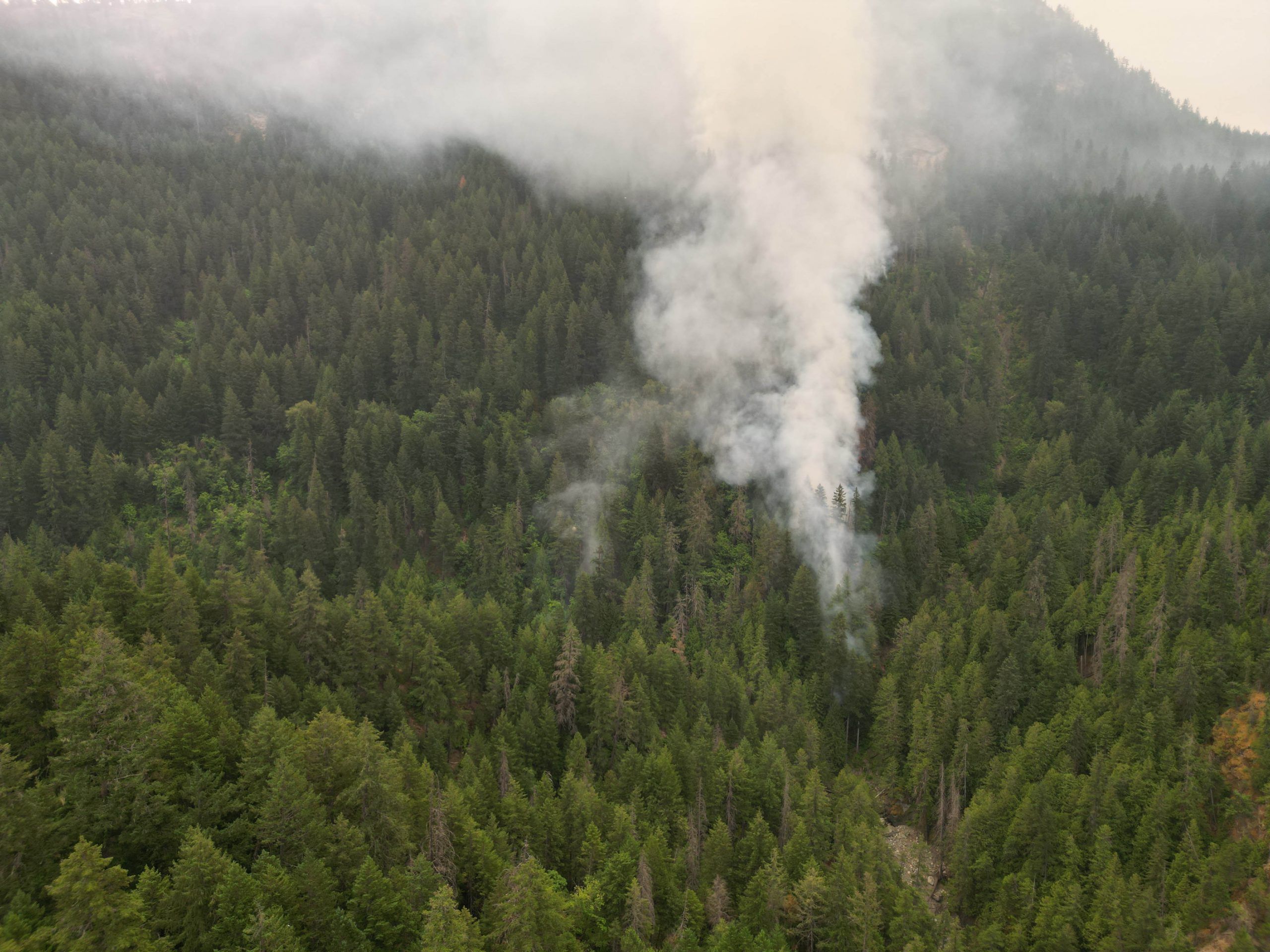
Brunswick Creek wildfire grows, leads to air quality warning in east Fraser Valley
Top
Brunswick Creek wildfire grows, leads to air quality warning in east Fraser Valley
 Top
MLA Jordan Kealy to face jury in sexual assault case
Top
MLA Jordan Kealy to face jury in sexual assault case
 Top
ABLESON, Elinor Margaret
Top
ABLESON, Elinor Margaret
 Top
BC Ferries passengers could see delays after Langdale terminal ramp fails
Top
BC Ferries passengers could see delays after Langdale terminal ramp fails
More Local Coverage
Latest news Politics
Powerful pro-life ad featuring boxing legend to air during final World Cup matches
Politics
Powerful pro-life ad featuring boxing legend to air during final World Cup matches
 Local News
Cowichan sports shorts: rugby, hockey, biking
Local News
Cowichan sports shorts: rugby, hockey, biking