

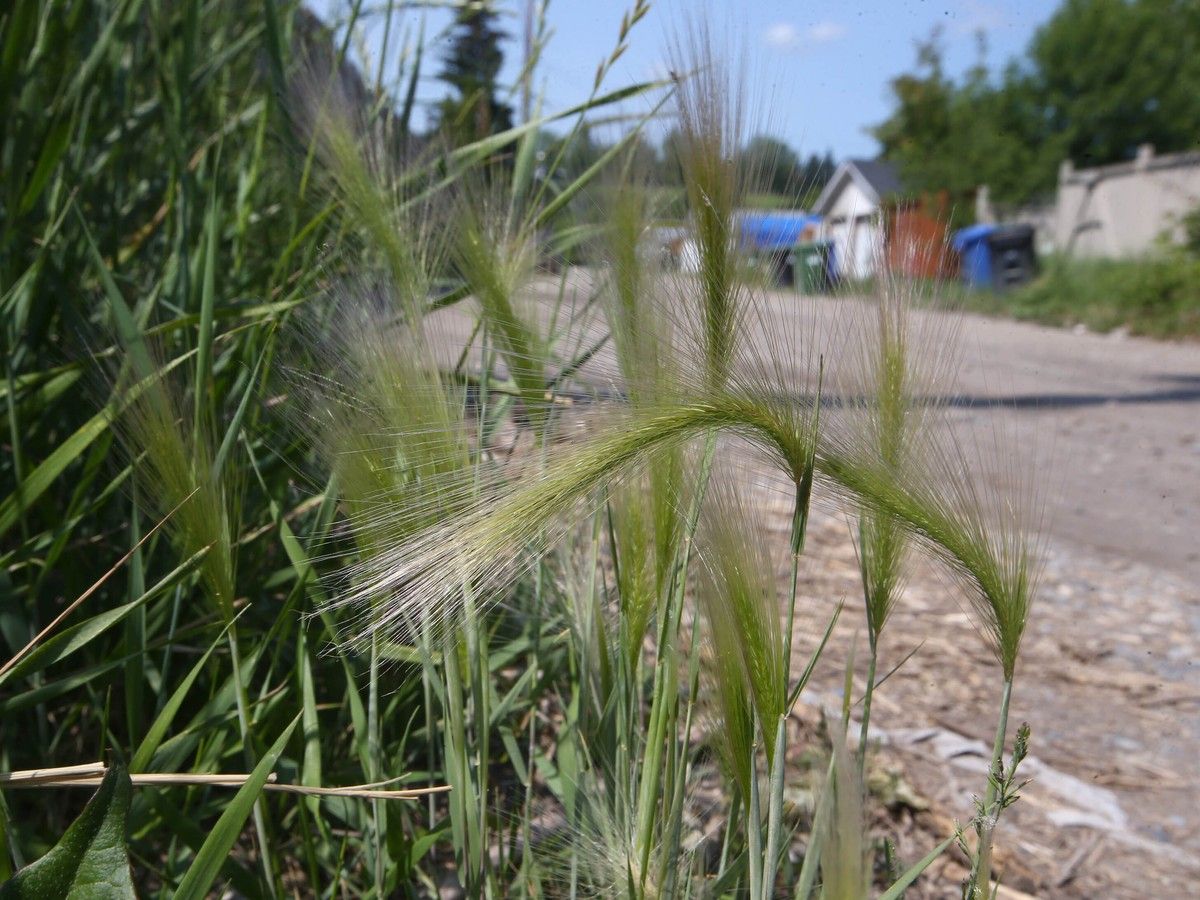
Foxtail barley can give of barbed seeds that when eaten by dogs can become lodged in their mouths
Pending a city council decision later this month, Calgarians may no longer be subject to $500 fines for failing to manage foxtail barley on their properties. Council’s community development committee voted 7-0 on Monday to remove a provision from the city’s community standards bylaw that pertained to foxtail barley, a native grass species in Calgary whose barbed seeds can harm pets, if ingested. When foxtail barley goes untreated, it unleashes barbed seeds that, if eaten by dogs, can become lodged in their mouths, potentially causing health issues or expensive vet bills.
The bylaw change in 2023 — spearheaded by former Ward 12 Coun. Evan Spencer — required the plant to be no more than eight centimetres tall on “nuisance properties,” which are defined by the city as unmaintained, unsightly properties that are causing issues for surrounding residents. Under the same bylaw, most other tall grasses are required to be kept to a maximum 15-centimetre height.
Failure to keep foxtail barley from growing out of control can currently net property owners a fine up to $500. But according to the city’s Chief bylaw officer, foxtail barley has been difficult to enforce. “Some of the challenges for our peace officers was that we’d be getting calls out to residential properties and there’d be a handful of foxtail barley plants, which I don’t think ever matched the spirit or intent of adding this into the bylaw in the first place,” said Ryan Pleckaitis, the city’s Chief of community standards, in an interview.
“That discussion in 2023 was about dealing with large infestations in developing communities. Instead, our officers were often getting calls out to deal with a few plants on a property, which probably isn’t the best use of our limited peace officer resources.” The foxtail bylaw requirement has generated a high volume of complaints for small amounts of the plant on residential properties, according to Pleckaitis, requiring significant enforcement efforts that have drawn bylaw officers away from other duties.
If council supports removing the provision later this month, administration would continue to manage foxtail barley on city-owned property and increase communication efforts to educate pet-owners on the risk the plant poses, Pleckaitis added. City not doing a good job of controlling foxtail barley, argues councillor The committee’s vote responds to a notice of motion earlier this year from Ward 2 Coun. Jennifer Wyness that sought to repeal the foxtail barley provision from the community standards bylaw.
Council supported her pitch in April. The city is often the worst offender when it comes to spreading foxtail barley, Wyness argued. Fining households for not managing the plant is hypocritical, she argued, when the city is not holding itself to the same standard.
“We were seeing seeds spread from city lands onto private property, with the expectation that private properties would be required to treat it and keep it trimmed,” she said in an interview. “We need to make sure that if a resident is going to be fined for not holding to a city standard, the city should hold to that standard as well.” Of more than 12,000 complaints for long grass and weeds last year, 1,533 pertained to foxtail barley, Wyness’s motion claimed.
But since the bylaw amendment was introduced three years ago, only one fine has been issued. And after the 2023 amendment was introduced, a city report claimed that mitigating the growth of foxtail barley on public and vacant land could cost more than $2 million annually due to the need for additional mowing cycles and site management. “I think it’s important that pet owners — especially dog owners — when you’re walking your dog, make sure they’re not eating foxtail,” she said.
“However, the city also needs to set the standard on maintenance of a native grass species before we actually put fines on Calgarians. The hypocrisy of the bylaw is why we wanted to repeal it.” Even if the $500 fine for allowing foxtail barley to proliferate is removed from the bylaw, management of the plant can fall under the city’s same rules for other tall grasses and vegetation, Wyness argued.
While some think it’s a weed, foxtail barley is a native species to Alberta and does prevent topsoil erosion, Wyness argued. The plant thrives in disturbed soils, including construction sites, roadsides, boulevards, green spaces, and parks. Due to the committee’s unanimous support, the item will be added to the consent agenda for council’s July 28 regular meeting.
Consent agenda items are bundled into one vote, meaning they’re not voted on separately unless a council member specifically requests it to be “pulled” for debate.
- Published
- Jul 13, 2026
- Updated
- Jul 13, 2026
- Source
- Calgary Herald
- Category
- Environment
- Read time
- 3 min
Key facts
Why this matters locally
This environment story matters locally because it may affect readers, businesses, commuters, families, or public services in British Columbia.
Local impact
BC Post links this item to British Columbia coverage so readers can follow related city updates, weather, traffic, events, and category news in one place.
Timeline
Source and credit
BC Post may summarize, organize, and add local context for reader clarity. Original reporting remains with the listed publisher.
Related Articles
View all Environment
50-hectare wildfire burns between Clearwater and 100 Mile House
Environment
50-hectare wildfire burns between Clearwater and 100 Mile House
 Environment
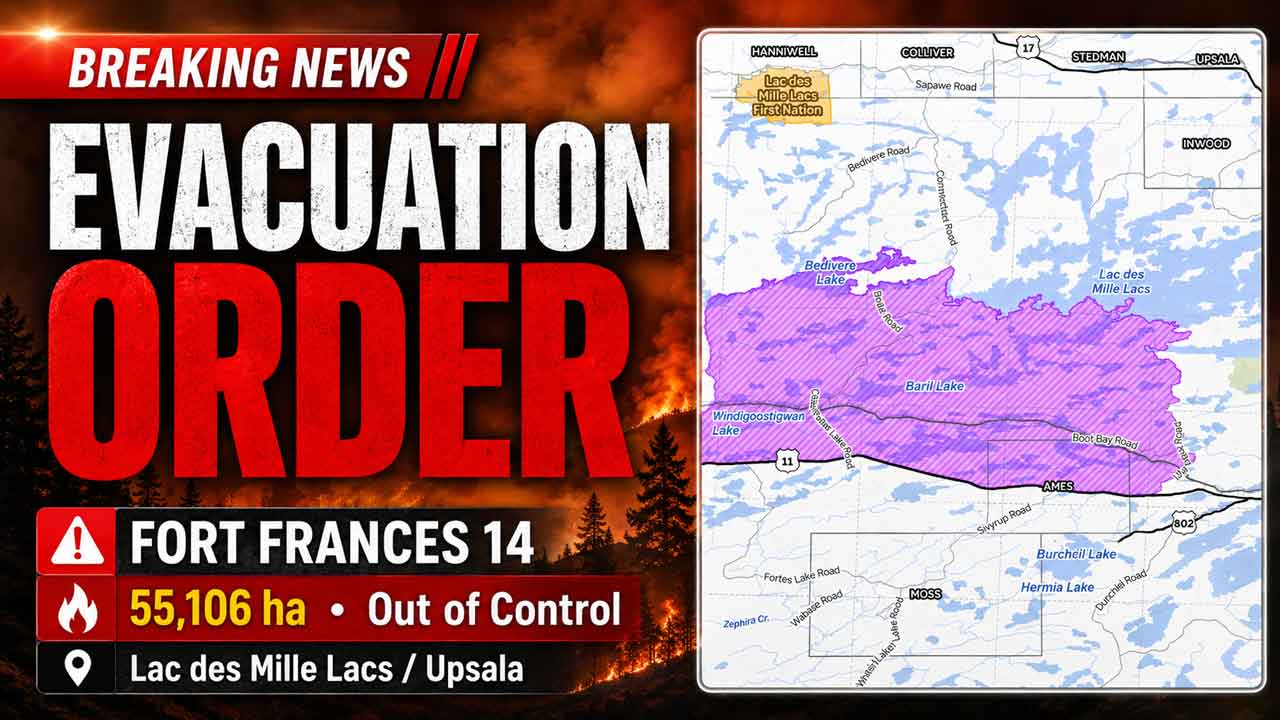
Updated Evacuation Information for Wildfire Fort Frances 14 (July 17 2026)
Environment
Updated Evacuation Information for Wildfire Fort Frances 14 (July 17 2026)
 Environment
A powerful movement of healing arrives at Delta’s Discovery Centre
Environment
A powerful movement of healing arrives at Delta’s Discovery Centre
 Environment
Port Coquitlam mayor launches program that removes graffiti on public property within 48 hours
Environment
Port Coquitlam mayor launches program that removes graffiti on public property within 48 hours
 Environment
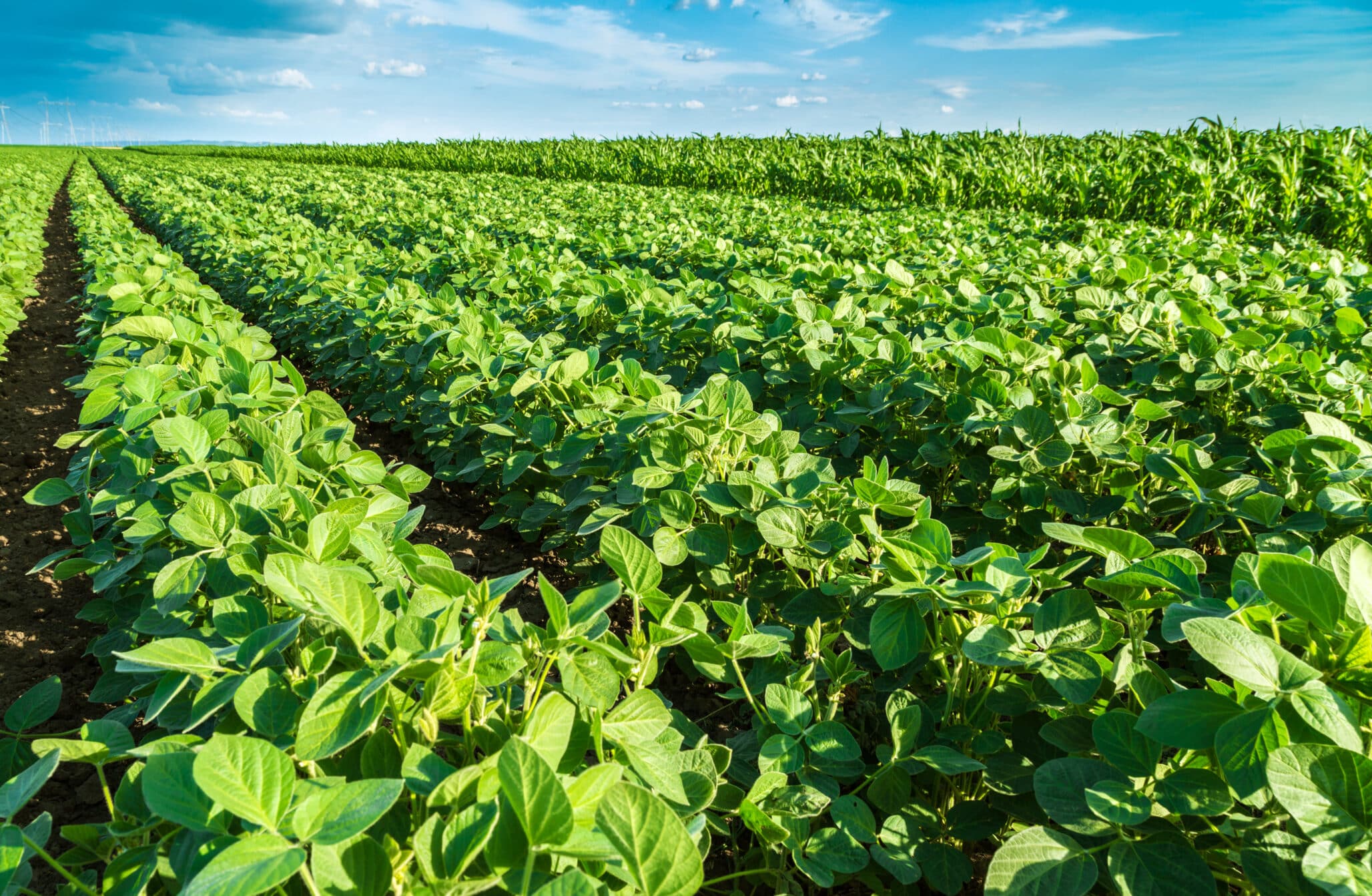
EU Excludes Soybean Seed from Deforestation Rules
Environment
EU Excludes Soybean Seed from Deforestation Rules
 Environment
Metro Vancouver issues air quality warning as wildfire smoke drifts in
Environment
Metro Vancouver issues air quality warning as wildfire smoke drifts in
More Local Coverage
Latest news Business
AI Market Trends: Q2 2026 Review and Forecast
Business
AI Market Trends: Q2 2026 Review and Forecast
 Politics
Powerful pro-life ad featuring boxing legend to air during final World Cup matches
Politics
Powerful pro-life ad featuring boxing legend to air during final World Cup matches