

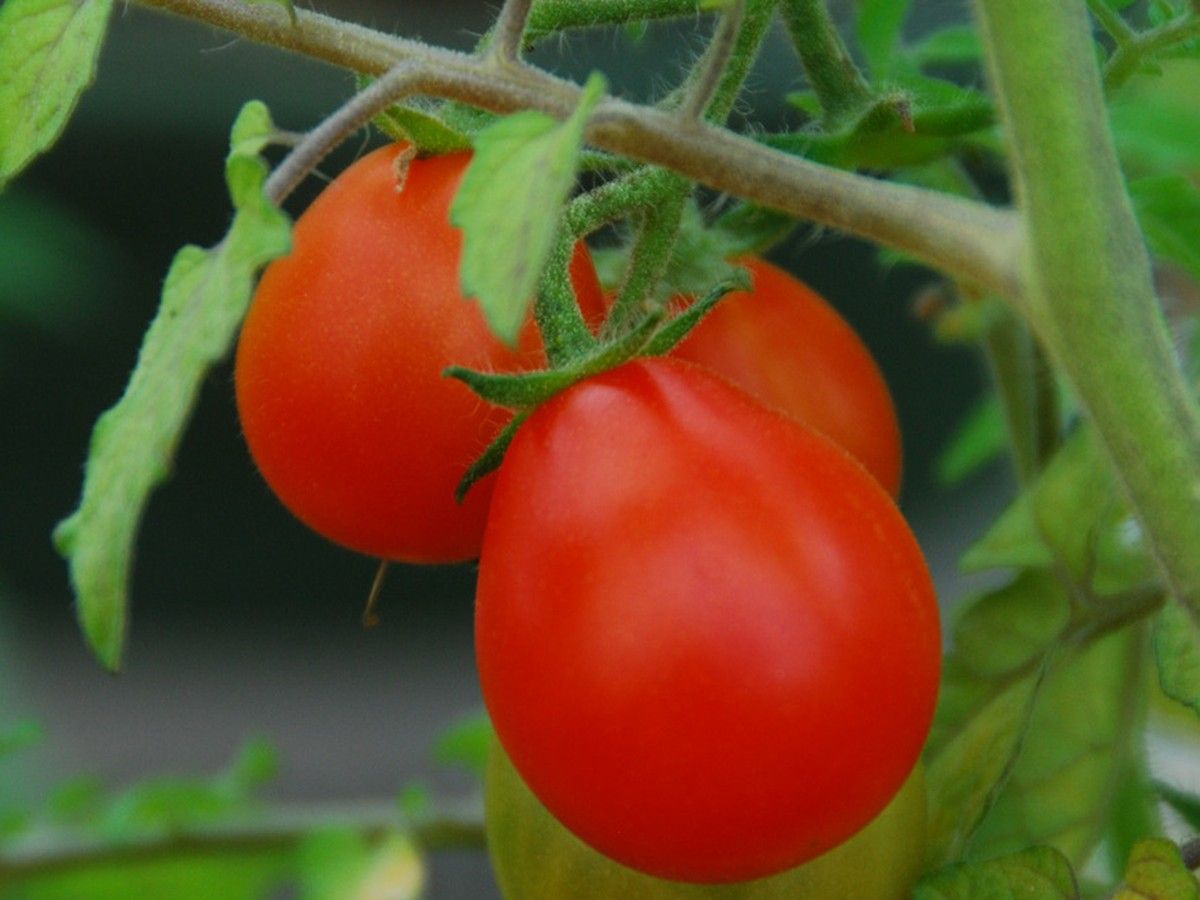
Leaves rolling up and becoming brittle on stunted plants is a disorder called, aptly enough, tomato leaf roll.
Article content We independently select everything we recommend. Buying through us may earn us a commission, which supports our work. Q.
As in recent years, my tomato plants grew in fine health until early July, when the leaves on some of the plants begin curling up. In previous years, stunted growth followed. I cannot change the planting site for tomatoes from year to year.
On my property there is only one good growing space for them. Recommended Videos A. Leaves rolling up and becoming brittle on stunted plants is a disorder called, aptly enough, tomato leaf roll. It’s not a disease, but rather an affliction involving tomato variety choice, weather, and growing conditions.
You say that only some of the plants display symptoms. Check the variety or varieties of the affected plants and consider eliminating them from your roster of tomatoes next year. Varieties prone to leaf rolling are most likely to begin deteriorating in hot, dry weather, especially in stressful growing conditions.
The rolling can often be reduced by ensuring soil fertility as well as consistently even and adequate moisture levels. Mulching with a nourishing compost at the onset of hot weather, after a deep watering, is helpful. To retain moisture further, add a layer of dried leaves or/and chopped straw.
Try to renew the soil as much as possible each spring by removing some of the old and adding compost, fresh soil, or/and planting mix. Q. I’ve heard and read varying opinions on using wood ashes in the garden. I’d appreciate knowing yours.
A. I advise caution in using wood ashes. They are calcium-rich and highly alkaline. One of my friends turned her beautiful blue (preferring an acidic soil) hydrangea into a producer of muddy pink flowers by emptying a bucket of wood ashes around the bush.
Still, where a reduction in soil acidity is appropriate, wood ashes used in moderation can be useful. Wood ashes are also fairly high in potassium, which in excess can cause stunting in plants by overpowering a soil’s nitrogen, which promotes green growth.
- Published
- Jul 13, 2026
- Updated
- Jul 13, 2026
- Source
- The Province
- Category
- Health
- Read time
- 2 min
Key facts
Why this matters locally
This health story matters locally because it may affect readers, businesses, commuters, families, or public services in British Columbia.
Local impact
BC Post links this item to British Columbia coverage so readers can follow related city updates, weather, traffic, events, and category news in one place.
Timeline
Source and credit
BC Post may summarize, organize, and add local context for reader clarity. Original reporting remains with the listed publisher.
Related Articles
View all Health
Study ties some birth control to brain tumours, but risks ‘rare’: experts
Health
Study ties some birth control to brain tumours, but risks ‘rare’: experts
 Health
Tactile Systems: Clean Balance Sheet, But A Possible Value Trap
Health
Tactile Systems: Clean Balance Sheet, But A Possible Value Trap
 Health
Dexcom G7 15 Day Receives Health Canada Authorization: Extending Wear and Continuity for Canadian Adults Living with Diabetes
Health
Dexcom G7 15 Day Receives Health Canada Authorization: Extending Wear and Continuity for Canadian Adults Living with Diabetes
 Health
The Surprising Cellular Benefit of the Pigment Behind Red Hair
Health
The Surprising Cellular Benefit of the Pigment Behind Red Hair
More Local Coverage
Latest news Politics
Powerful pro-life ad featuring boxing legend to air during final World Cup matches
Politics
Powerful pro-life ad featuring boxing legend to air during final World Cup matches
 Business
AI Market Trends: Q2 2026 Review and Forecast
Business
AI Market Trends: Q2 2026 Review and Forecast