


Some say budget left crews under-resourced to face more than 200 active fires burning in northern Ontario
Ontario Premier Doug Ford defended his government’s funding for the province’s emergency fire response during a press conference Friday, saying “we are throwing every single resource we can” against the nearly 200 active fires burning across northern Ontario. “What I find despicable and disgusting is that [the] opposition would politicize the amount of money being spent,” he said. “We will not put a price on the safety of our communities.”
Leaders from the opposition have criticized the Ontario government for not allocating enough money to this year’s firefighting budget. Ford earmarked $150 million to this year’s Emergency Forest Firefighting fund, despite a much higher amount having been spent in 2025 than was budgeted that year. In 2025, $135 million was allocated to wildland firefighting, but the actual costs doubled that: Ontario spent $271 million by the end of last year’s fire season.
The province is also on track to vastly outspend its budget this year. There were 351 fires fought in 2025. This year, only halfway through July, there have already been 483, pointing to a significantly higher cost despite the lower budget.
Ford explained that 68 new permanent positions were added ahead of this year’s fire season and the government raised compensation for wildland firefighters, pilots, and staff. His government is also investing $650 million to expand the province’s fleet to add water bombers and other aircraft. Still, some communities are frustrated by the response to the fires razing homes in northern Ontario.
On Monday, members of the Namaygoosisagagun First Nation were forced to flee across Lake Collins on boats as last-minute evacuation orders left them scrambling. Leaders of Whitesand First Nation and Namaygoosisagagun First Nation held a press conference Thursday addressing the Ministry of Natural Resources, which they criticized for being slow to act and not being able to respond until it was “too late.” In a press release, the First Nation said the community had to repeatedly ask the ministry to issue a mandatory evacuation notice.
Throughout the day, the province told Whitesand the smoke was coming from more distant fires and there was no immediate threat. The release cites a quote from the ministry, saying they “didn’t see the fire” that tore through the neighbouring community of Collins “until it was too late,” due to a strain on resources with many fires burning in the area. Minister of Natural Resources Mike Harris responded to these concerns during Ford’s press conference, telling reporters that the fire started close to the community in Collins, Ont., and crews fighting nearby fires didn’t have enough lead to get there in time.
It’s impossible to say whether a specific fire or evacuation could have been improved by a higher firefighting budget, said Jeremy Rouse, spokesperson for the Ontario Public Service Employees Union (OPSEU/SEFPO). A multitude of factors influence wildfire behaviour, including weather, geography, and fuel conditions. Nevertheless, under-resourced crews will struggle to respond to several fires at once — like the situation that occurred in Collins, Rouse said.
“Could this [budget] have left crews less prepared for the current fires? In my opinion, yes,” Rouse said. “Wildland firefighters have been clear that base funding is vital to ensure crews are fully staffed, have the equipment and PPE they need with adequate time to train,” said Green Party Leader Mike Schreiner in a statement to Canada’s National Observer.
Previous years have demonstrated how much funding Ontario’s wildfire seasons are likely to demand. If that money isn’t budgeted up front, there are fewer crews and less capacity to respond to rapidly changing conditions, even if more funding is made available later. “The Ford government has failed to provide this, needlessly putting communities and first responders in danger,” Schreiner said.
His party is calling for more upfront investment in wildfire prevention and forest fire management to ensure this “never happens again.” Although Ford gave his assurances that no expense will be spared to protect northern Ontario’s communities, that funding would have been most impactful if it came before the fire season began, Rouse said. “The issue is not that the government will refuse to spend money once there is an emergency,” he continued.
“The best opportunity to control many fires is during the initial attack, while they are still small. Once fires become large, they are more dangerous, more expensive and much more difficult to control.”
- Published
- Jul 17, 2026
- Updated
- Jul 17, 2026
- Source
- Canada’s National Observer
- Category
- Environment
- Read time
- 3 min
Key facts
Why this matters locally
This environment story matters locally because it may affect readers, businesses, commuters, families, or public services in British Columbia.
Local impact
BC Post links this item to British Columbia coverage so readers can follow related city updates, weather, traffic, events, and category news in one place.
Timeline
Source and credit
BC Post may summarize, organize, and add local context for reader clarity. Original reporting remains with the listed publisher.
Related Articles
View all Environment
Metro Vancouver issues air quality warning as wildfire smoke drifts in
Environment
Metro Vancouver issues air quality warning as wildfire smoke drifts in
 Environment
A powerful movement of healing arrives at Delta’s Discovery Centre
Environment
A powerful movement of healing arrives at Delta’s Discovery Centre
 Environment
Vancouver forecast in 'sweet spot' but hot temperatures on the way
Environment
Vancouver forecast in 'sweet spot' but hot temperatures on the way
 Environment
Spanish Mountain Gold Reports 69.20 Metres of 0.74 g/t Gold and 77.85 Metres of 0.70 g/t Gold as Part of Its Feasibility Study Drill Program
Environment
Spanish Mountain Gold Reports 69.20 Metres of 0.74 g/t Gold and 77.85 Metres of 0.70 g/t Gold as Part of Its Feasibility Study Drill Program
 Environment
Mark Carney's new climate doctrine
Environment
Mark Carney's new climate doctrine
 Environment
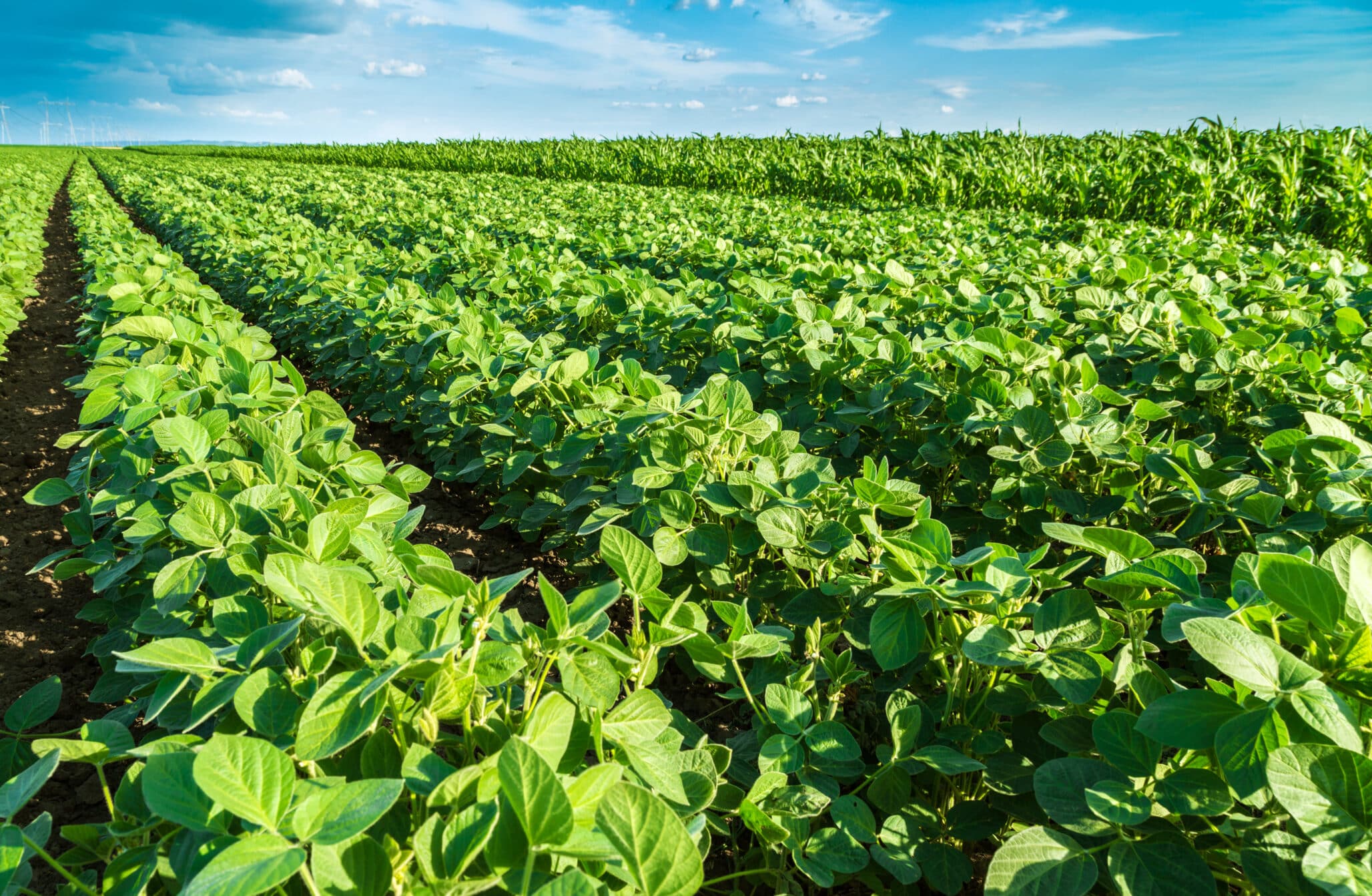
EU Excludes Soybean Seed from Deforestation Rules
Environment
EU Excludes Soybean Seed from Deforestation Rules
More Local Coverage
Latest news Politics
Powerful pro-life ad featuring boxing legend to air during final World Cup matches
Politics
Powerful pro-life ad featuring boxing legend to air during final World Cup matches
 Local News
Cowichan sports shorts: rugby, hockey, biking
Local News
Cowichan sports shorts: rugby, hockey, biking