

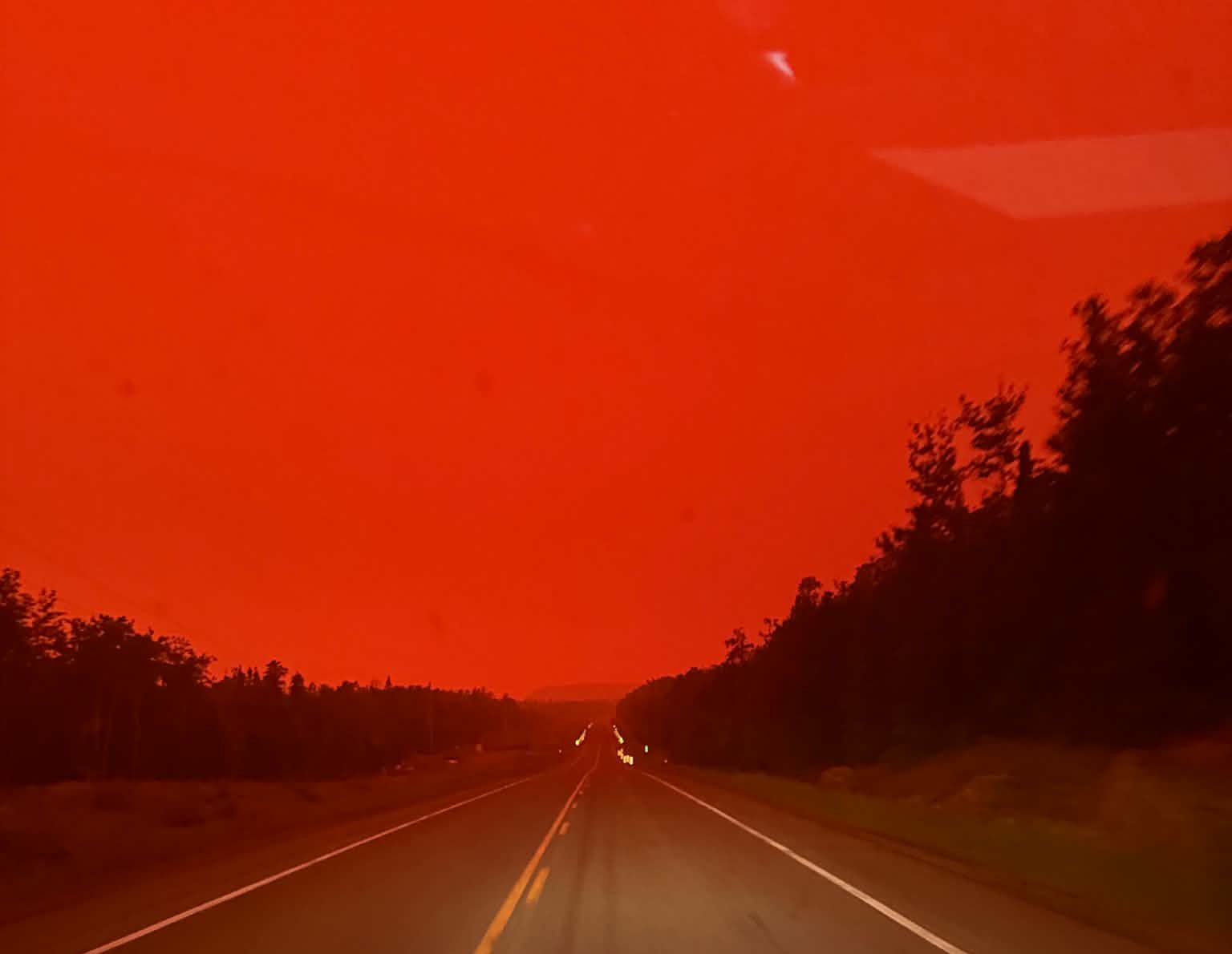
Air quality in Sudbury is expected to drop dramatically by Saturday due to wildfire smoke
Article content Premier Doug Ford has vowed to spare no expense in response to wildfires devastating Northern Ontario and blanketing much of the province and parts of the U.S. in smoke. During an unrelated media event in Windsor on Thursday, Ford said more than 150 crews had been deployed to protect northern communities. Recommended Videos “We will spend whatever it takes to support getting them the resources they need to keep people safe,” Ford said.
“We’d never underfund our firefighters. Never, never ever.” He said his government has more than doubled the annual base funding for emergency firefighting since it took office in 2018, from $70 million to more than $150 million.
The actual expenditure for wildland fire response is significantly higher than that, he said, with $271 million spent in 2025 alone. Since 2019, Ford said his government has spent more than $1.5 billion on wildland firefighting. He noted the province hired 68 new firefighters this year and increased salaries.
The province also spent more than $650 million to purchase five new helicopters and six new water bombers. “We can respond immediately when fires break out. We know, every year, no matter if it’s flooding or fire, we’re prepared,” he said.
In a video posted to social media on Wednesday, NDP Leader Marit Stiles blamed Ford for wildfire conditions. “Doug Ford chose to ignore Ontario’s climate commitments. He chose to let Ontario’s wildland firefighting force shrink year after year while firefighters begged him to fix it,” Stiles said.
“Being safe in your own home, being able to breathe, that is a choice, too,” she said. As of Friday afternoon, there were 173 active forest fires in Ontario, including 44 in northeastern Ontario. The largest, near Thunder Bay, covered 3,760 square kilometres.
There are also large fires near Fort Frances, Sioux Lookout, Dryden, Red Lake, Cochrane and several other communities. As for Sudbury, there were two active official wildfires within 25 km of Greater Sudbury, and 10 active official wildfires within 100 km of the city. As for air quality, Sudbury was under an Environment Canada warning on Wednesday, but that was lifted the next day.
Friday, the Air Quality Health Index for Sudbury was at 2 (low risk) as of Friday afternoon, but that is expected to rise to 7 (high risk) by Saturday. High risk means that those who are sick, pregnant, young or elderly should reduce or reschedule strenuous activities outdoors. Everyone else should consider reducing or rescheduling strenuous activities outdoors if they experience symptoms such as coughing and throat irritation.
Concern over air quality has prompted Pride Week organizers to move most of Saturday’s events indoor to the Sudbury Arena. Sudbury, meanwhile, has taken in more than 200 people from Aroland First Nation who escaped the poor quality caused by forest fires in northwestern Ontario. Aroland is a Treaty 9 community west of the Municipality of Greenstone.
Evacuation orders have been issued in northwestern Ontario, including for Armstrong and several remote First Nations, including Collins First Nation, where homes and buildings were destroyed. Residents in communities such as Ignace and Pickle Lake have been told to be ready to evacuate. Ford said the province has requested the federal government, including the Canadian Armed Forces, be prepared to “rapidly” deploy resources to support evacuations when and where necessary.
According to Ford, Ontario has received support from provinces across the country, with crews from Alberta and the Yukon on the ground to fight fires. So far, there have been no fatalities, “which is pretty remarkable, considering the size of these fires,” Ford said. “I get briefed four or five times a day on this.
We are all over it. I have four ministers in the north right now overseeing it. We aren’t going to spare a penny.”
The premier noted Ontario has a Disaster Recovery Assistance for Ontarians program to help people recover from natural disasters and thanked communities such as Sudbury, Thunder Bay and Niagara Falls for taking in evacuees. “That’s what Ontario does. We all come together.”
— With files by Alan S. Hale and The Sudbury Star
- Published
- Jul 17, 2026
- Updated
- Jul 17, 2026
- Source
- Thesudburystar
- Category
- Top
- Read time
- 3 min
Key facts
Why this matters locally
This top story matters locally because it may affect readers, businesses, commuters, families, or public services in British Columbia.
Local impact
BC Post links this item to British Columbia coverage so readers can follow related city updates, weather, traffic, events, and category news in one place.
Timeline
Source and credit
BC Post may summarize, organize, and add local context for reader clarity. Original reporting remains with the listed publisher.
Related Articles
View all Top
Rock the Lake celebrated its ninth year at Prospera Place this past weekend
Top
Rock the Lake celebrated its ninth year at Prospera Place this past weekend
 Top
BCWS aircraft helping Kamloops firefighters battle grass fire above Shuswap Road
Top
BCWS aircraft helping Kamloops firefighters battle grass fire above Shuswap Road
 Top
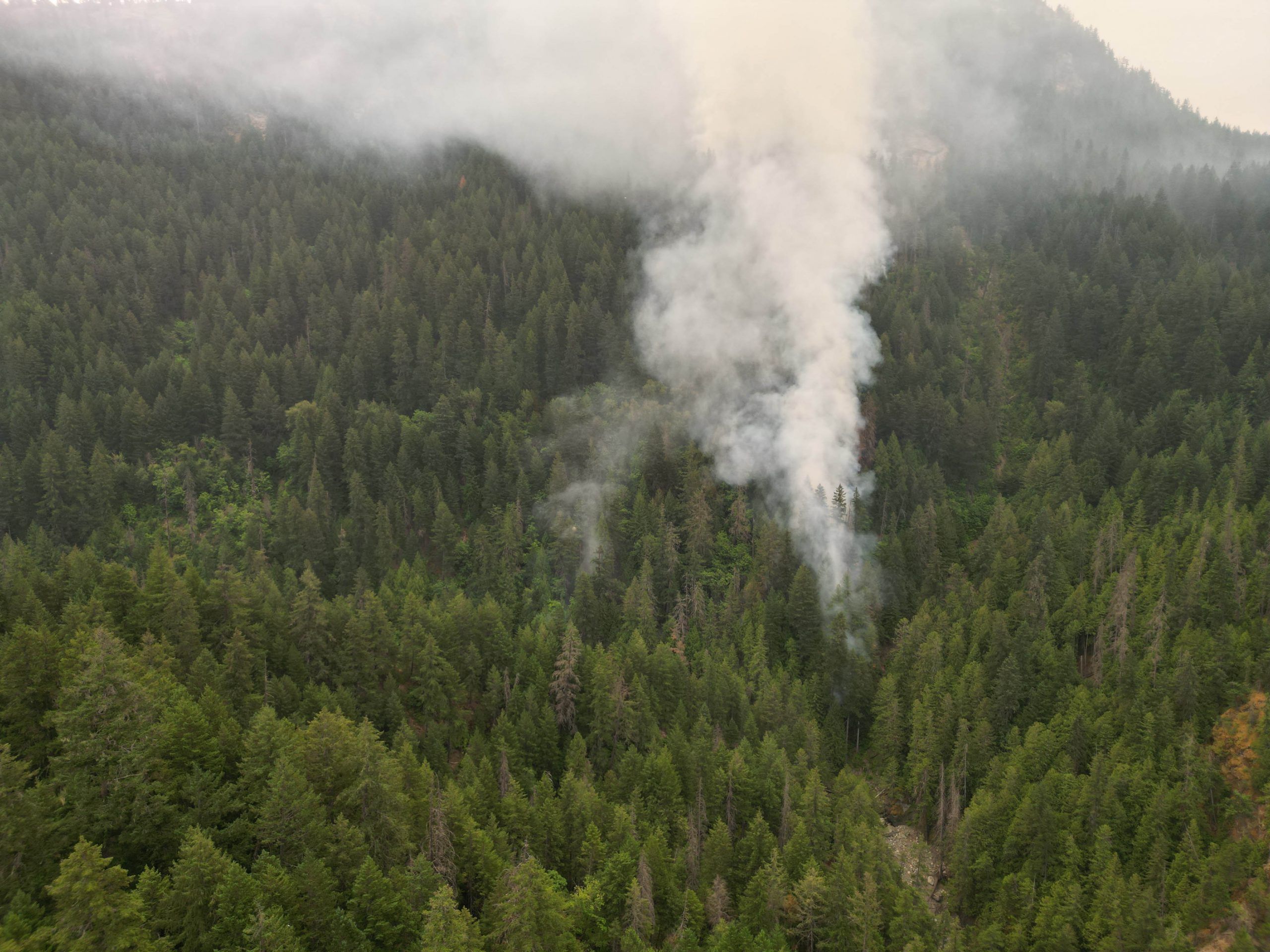
Brunswick Creek wildfire grows, leads to air quality warning in east Fraser Valley
Top
Brunswick Creek wildfire grows, leads to air quality warning in east Fraser Valley
 Top
MLA Jordan Kealy to face jury in sexual assault case
Top
MLA Jordan Kealy to face jury in sexual assault case
 Top
ABLESON, Elinor Margaret
Top
ABLESON, Elinor Margaret
 Top
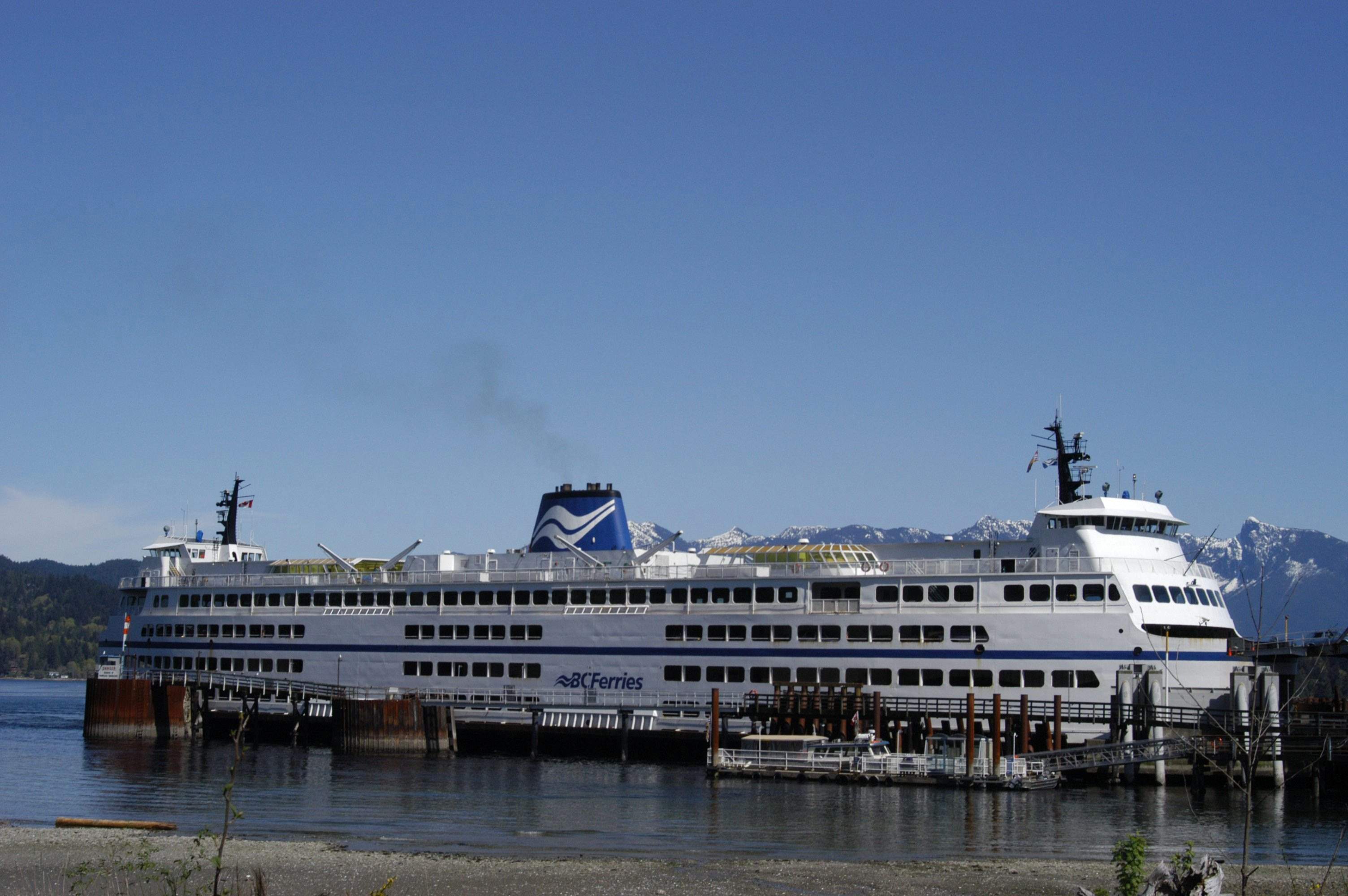
BC Ferries passengers could see delays after Langdale terminal ramp fails
Top
BC Ferries passengers could see delays after Langdale terminal ramp fails
More Local Coverage
Latest news Politics
Powerful pro-life ad featuring boxing legend to air during final World Cup matches
Politics
Powerful pro-life ad featuring boxing legend to air during final World Cup matches
 Local News
Cowichan sports shorts: rugby, hockey, biking
Local News
Cowichan sports shorts: rugby, hockey, biking