

Minister states that non-legally binding agreement will facilitate fresh water protection
GNWT and Canada Water Agency sign MOU on freshwater priorities Published 1:35 pm Friday, July 17, 2026 The GNWT and the Canada Water Agency have signed a two-year memorandum of understanding (MOU) to “establish a framework for cooperation on issues affecting Northern waters,” according to a GNWT press release. Announced on July 16, the MOU is intended to strengthen collaboration on shared freshwater priorities.
It aims to enable better stewardship of freshwater ecosystems across the NWT. MOUs are not legally binding and do not create enforceable financial or legal obligations. According to the GNWT, this MOU will facilitate collaboration among groups with a vested interest in the protection of the territory’s fresh water via data sharing, research and expertise that will inform decision-making.
The news release highlights the unique position of the NWT, referring to the territory as the “ultimate downstream jurisdiction within the Mackenzie River Basin.” NWT Environment and Climate Change Minister Jay Macdonald said the MOU will strengthen the GNWT’s partnership with the Canada Water Agency. “Water is fundamental to our health, culture and well-being,” the minister said.
“By working together, we can improve our understanding of freshwater ecosystems, strengthen stewardship efforts and help ensure Northern waters remain healthy and resilient in the face of a changing climate.” NWT MP and Minister of Crown-Indigenous Relations Rebecca Alty, noting how important fresh water is to life in the NWT, said the MOU will ensure the safety of territorial freshwater ecosystems. “This agreement reflects our shared commitment to protecting these waters through collaboration, respect for Indigenous knowledge and science-based decision-making,” she said.
In March 2015, the NWT and Alberta signed a bilateral water management agreement (BWMA), which was supposed to commit both governments to long-term cooperative management of the water shared between the two jurisdictions. The most recent BWMA report was in 2021, which highlighted that 23 of 69 parameters tested were flagged during assessment. Dissolved uranium, calcium, magnesium, sulphate, nitrate/nitrite and dissolved nitrogen “were significantly higher in present years (2015-2020) compared to the past,” reads the report.
The Alberta Water Council, a group that oversaw provincial water policies since 2003, was dissolved following massive budget cuts by Alberta’s UCP government in 2026.
- Published
- Jul 17, 2026
- Updated
- Jul 17, 2026
- Source
- Yellowknife & Nwt News | Yellow Knifer
- Category
- Canada
- Read time
- 2 min
Key facts
Why this matters locally
This canada story matters locally because it may affect readers, businesses, commuters, families, or public services in British Columbia.
Local impact
BC Post links this item to British Columbia coverage so readers can follow related city updates, weather, traffic, events, and category news in one place.
Timeline
Source and credit
BC Post may summarize, organize, and add local context for reader clarity. Original reporting remains with the listed publisher.
Related Articles
View all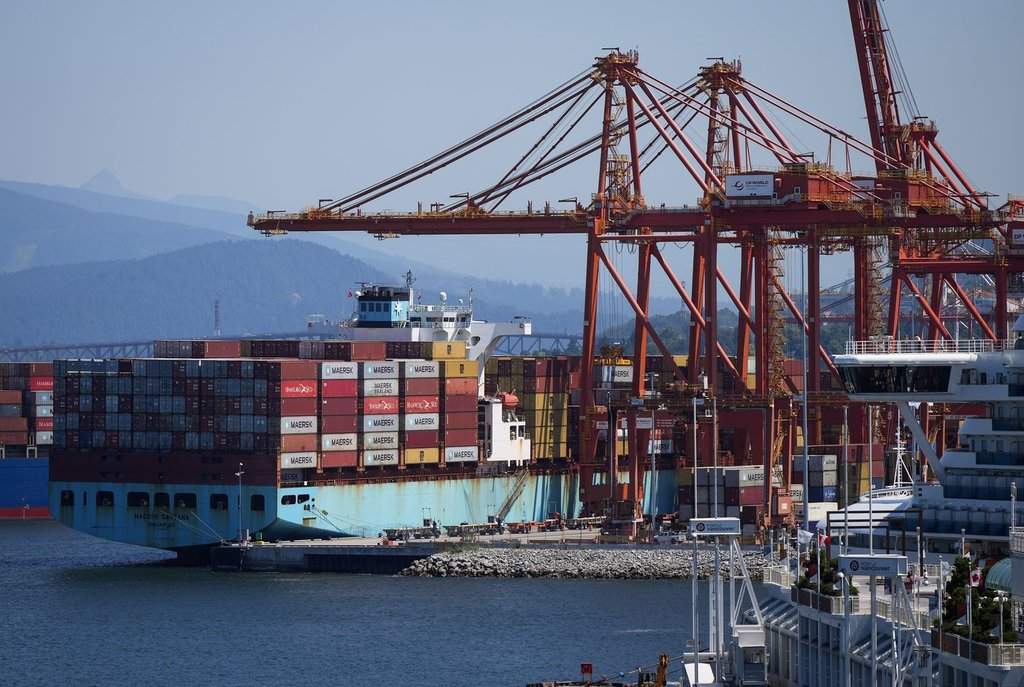 Canada
Port of Vancouver expansion project referred to Canada’s Major Projects Office
Canada
Port of Vancouver expansion project referred to Canada’s Major Projects Office
 Canada
Wildfire crews on alert as lightning arrives in parts of tinder-dry B.C.
Canada
Wildfire crews on alert as lightning arrives in parts of tinder-dry B.C.
 Canada
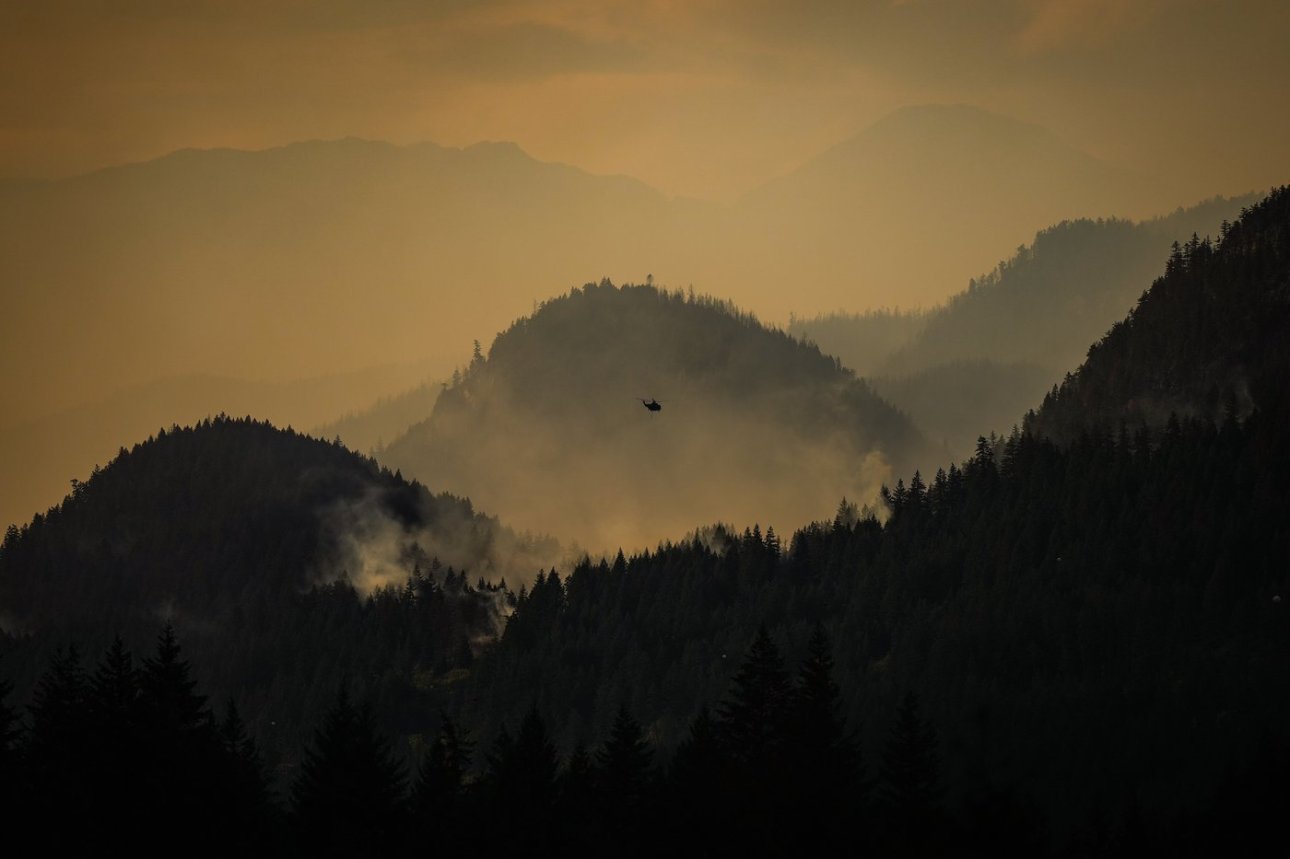
B.C. officials brace for increased wildfire activity from dry lightning
Canada
B.C. officials brace for increased wildfire activity from dry lightning
More Local Coverage
Latest news Local News
Cowichan sports shorts: rugby, hockey, biking
Local News
Cowichan sports shorts: rugby, hockey, biking
 Top Stories
Yukon minerals work still under review despite federal announcement
Top Stories
Yukon minerals work still under review despite federal announcement
 Top Stories
Hotel bookings during World Cup down from last year, but B.C. minister sees positives
Top Stories
Hotel bookings during World Cup down from last year, but B.C. minister sees positives