

The Vancouver photographer got famous documenting life in China and Hong Kong. A new survey of his career showcases his work with fresh eyes.
I have seen many of Greg Girard’s photos. But not all of them. The element of surprise in any art exhibition can still provide a glissando slide down the spinal column, a visceral miniature thrill ride.
Thus was it ever at the first-ever career survey of Girard’s work that opened last week at the Polygon Gallery in North Vancouver. Co-curated by the Polygon’s director Reid Shier and curator Elliott Ramsey, Greg Girard encompasses 50 years and the many creative periods of the celebrated documentary photographer’s life. That Girard has never had a full survey of his work is surprising, Shier said in the media preview for the exhibition.
But Vancouver artists often need to head elsewhere to gain respect and recognition. Again, thus was it ever. Girard’s early work took inspiration from Vancouver’s grittier neighbourhoods of the 1970s, but it wasn’t until he turned his lens on farther-flung locales that the world took notice of his work.
One might pass Girard on the street and never clock him as an internationally famous photographer. He has the curious effect of disappearing into the background. For the images that Girard has created over the years, this is probably a handy skill to have.
At the Polygon, Girard said that he started taking photos in Vancouver’s Downtown Eastside and dock areas when he was in his teens. Too young to get into bars, he rented inexpensive hotel rooms to immerse himself in the community and people who lived there. He took photos purely for himself.
Many photographs from this period carry with them the funk of Vancouver haunts long gone, emitting a vaporous whiff of old cigarette smoke and spilled beer. There are greasy spoon diners lit by the lurid light of neon signs, the men’s washroom at the CN train station and hotel lobbies that still possessed a modicum of shabby glamour. They were gateways to another, less genteel and arguably more interesting world.
Girard was not alone in his photographic explorations of 20th-century Vancouver and its reputation as an old, raunchy end-of-the-line place. This spirit intrigued and inspired a wide range of artists, from documentary filmmaker Alan King to science fiction writer Philip K. Dick. Girard’s photos of the city, largely taken in the rough and ready 1970s, resurrect a now bygone Vancouver.
For viewers old enough to remember some of these establishments, such as the Aristocratic diner on Granville Street, the pull of nostalgia is powerful. But nostalgia is a dangerous drug. Imbibe too deeply, and sticky old sentiment begins to surface.
Documenting massive change in Hong Kong and China The teenage Girard was so ensnared by Hong Kong Harbour, a 1962 photo by American photojournalist Eliot Elisofon, that in the summer of 1974, he hopped a freighter and set sail across the Pacific. It’s a romantic story, but also indicative of a more innocent age.
The periods that Girard spent in Shanghai, Hong Kong and Beijing gave rise to the body of work for which he is most famous. Magazines provided him with the means, and arguably the impetus, to take photos of current events. He noted at the Polygon’s media preview that he missed some of the most significant events, namely Tiananmen Square.
After spending time in Beijing, Girard traveled to Hong Kong to buy more film stock and recharge his emotional batteries when the infamous 1989 government crackdown took place. After months of rising tension, clashes between demonstrators and Chinese authorities came to a furious conclusion on June 4, 1989, when military troops rolled in, attempting to clear Tiananmen Square. The photos taken before and after the events tell a complex story.
In one street scene, a group of men is captured throwing pamphlets into the sky, while a police officer, his mouth wide open in what appears to be a shout of protest, looks on. It’s a curious moment, a bit of frozen drama, that immediately begs the question, what happened before and what happened after? A cinematic quality is evident in many of Girard’s photos, most especially in the work that cemented his reputation.
City of Darkness: Life in Kowloon Walled City, which was reissued as City of Darkness Revisited, is composed of images taken between 1982 and 1998. Originally built as a military outpost, Kowloon Walled City was converted to a fort in 1847 to bolster Chinese control and authority in the area. Its population swelled to extraordinary numbers in the aftermath of the Second World War, making it one of the most densely crowded places on earth for a time.
Although gang control and illegal activities were rampant, there was another side to the story. The infamous place that spawned legions of Bladerunner-esque notions and William Gibson cyberpunk
Source and reference
references wasn’t a lawless no-man’s land of urban density and blight. It was rather a place where ordinary people raised families, operated businesses and did their best to survive. In other words, a neighbourhood. When asked about his favourite image from this period, Girard recalls that it was a photo he didn’t actually manage to take. When an airline stewardess exited a cab trailing her rolling suitcase, Girard expected her to cross the street to a neighbouring building, but instead she entered Kowloon Walled City. He ran after the woman, eager to take her photo, but she vanished down an alleyway and was gone. Cities in states of wild transition make up some of Girard’s most iconic photos. There’s the wholesale transformation of Shanghai, with older ornate houses captured in states of dereliction, still graceful and elegant in their decline. Behind them rises a dense forest of...
Read original source- Published
- Jul 17, 2026
- Updated
- Jul 17, 2026
- Source
- The Tyee
- Category
- Entertainment
- City
- Vancouver
- Read time
- 7 min
Key facts
Why this matters locally
This entertainment story matters locally because it may affect readers, businesses, commuters, families, or public services in Vancouver.
Local impact
BC Post links this item to Vancouver coverage so readers can follow related city updates, weather, traffic, events, and category news in one place.
Timeline
Source and credit
BC Post may summarize, organize, and add local context for reader clarity. Original reporting remains with the listed publisher.
Related Articles
View all Local News
Lions earn first win by handing Elks their first loss in 36-24 decision
Local News
Lions earn first win by handing Elks their first loss in 36-24 decision
 Local News
Consumer watchdog secures 4 ticketing undertakings during World Cup
Local News
Consumer watchdog secures 4 ticketing undertakings during World Cup
 Sports
Thoughts turn to legacy as full-time whistle nears for Vancouver's World Cup
Sports
Thoughts turn to legacy as full-time whistle nears for Vancouver's World Cup
 Top
BCWS aircraft helping Kamloops firefighters battle grass fire above Shuswap Road
Top
BCWS aircraft helping Kamloops firefighters battle grass fire above Shuswap Road
 Business
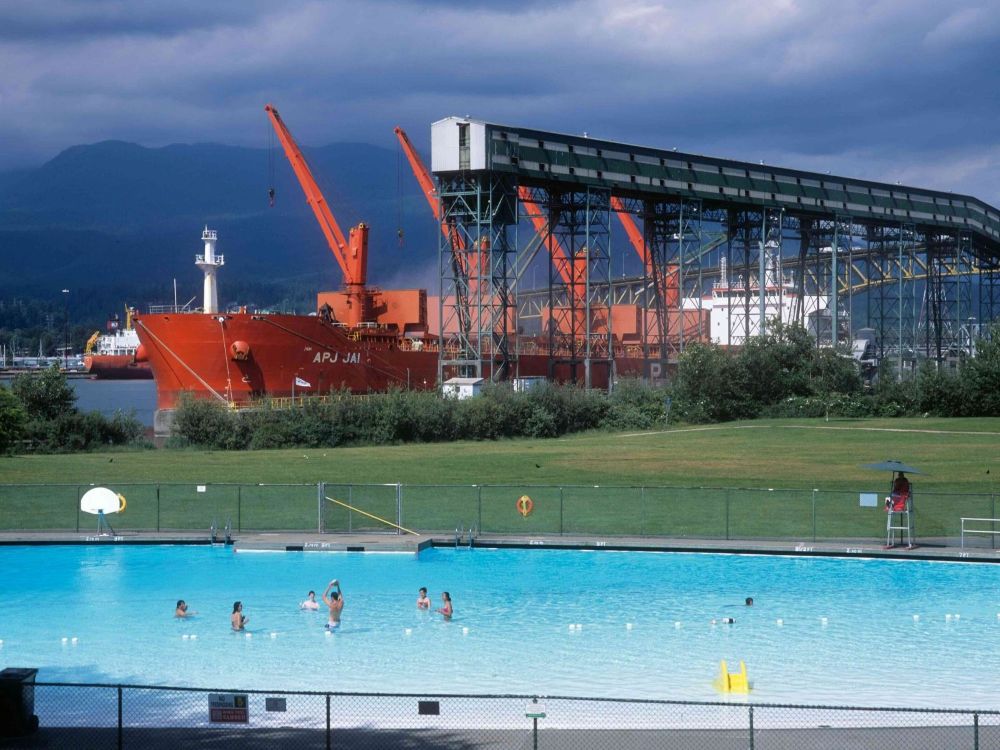
B.C.'s Massey Tunnel replacement doubles in cost to estimated $8.5 billion
Business
B.C.'s Massey Tunnel replacement doubles in cost to estimated $8.5 billion
 Top
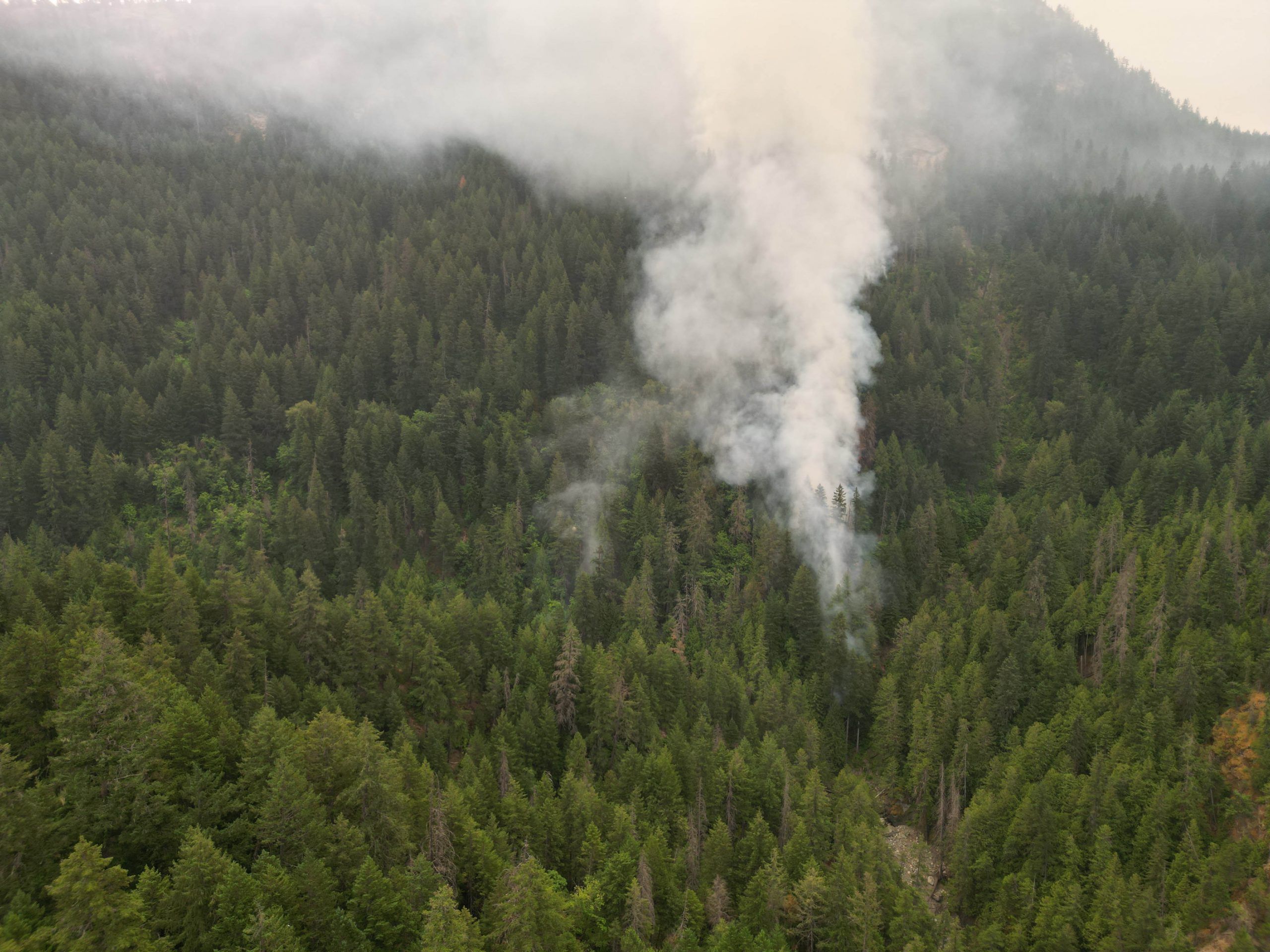
Brunswick Creek wildfire grows, leads to air quality warning in east Fraser Valley
Top
Brunswick Creek wildfire grows, leads to air quality warning in east Fraser Valley
More From Vancouver
View all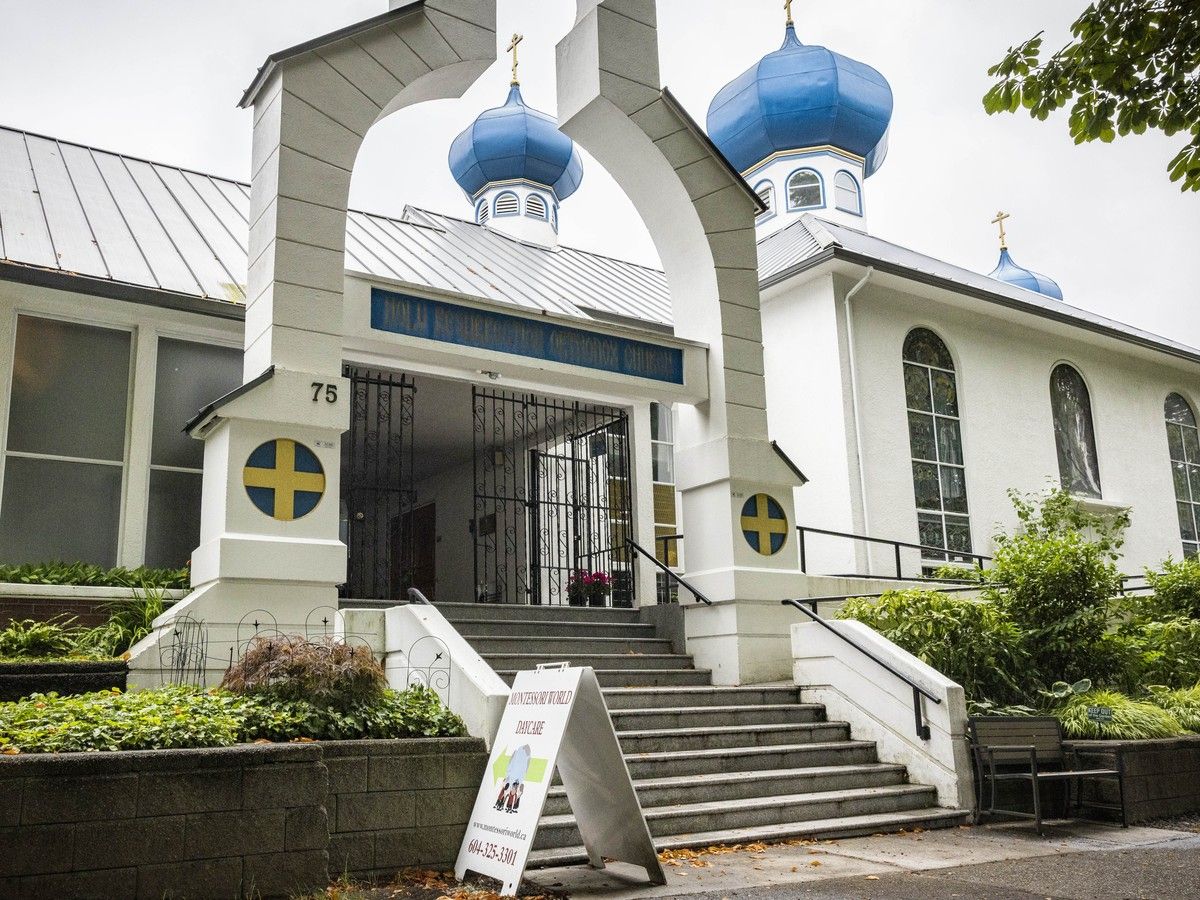 Top
Vancouver daycare avoids eviction from church hall — but only until year's end
Top
Vancouver daycare avoids eviction from church hall — but only until year's end
 Business
'We know we're a little crazy': Sisters turn spontaneous idea into downtown Vancouver cafe
Business
'We know we're a little crazy': Sisters turn spontaneous idea into downtown Vancouver cafe
 Top
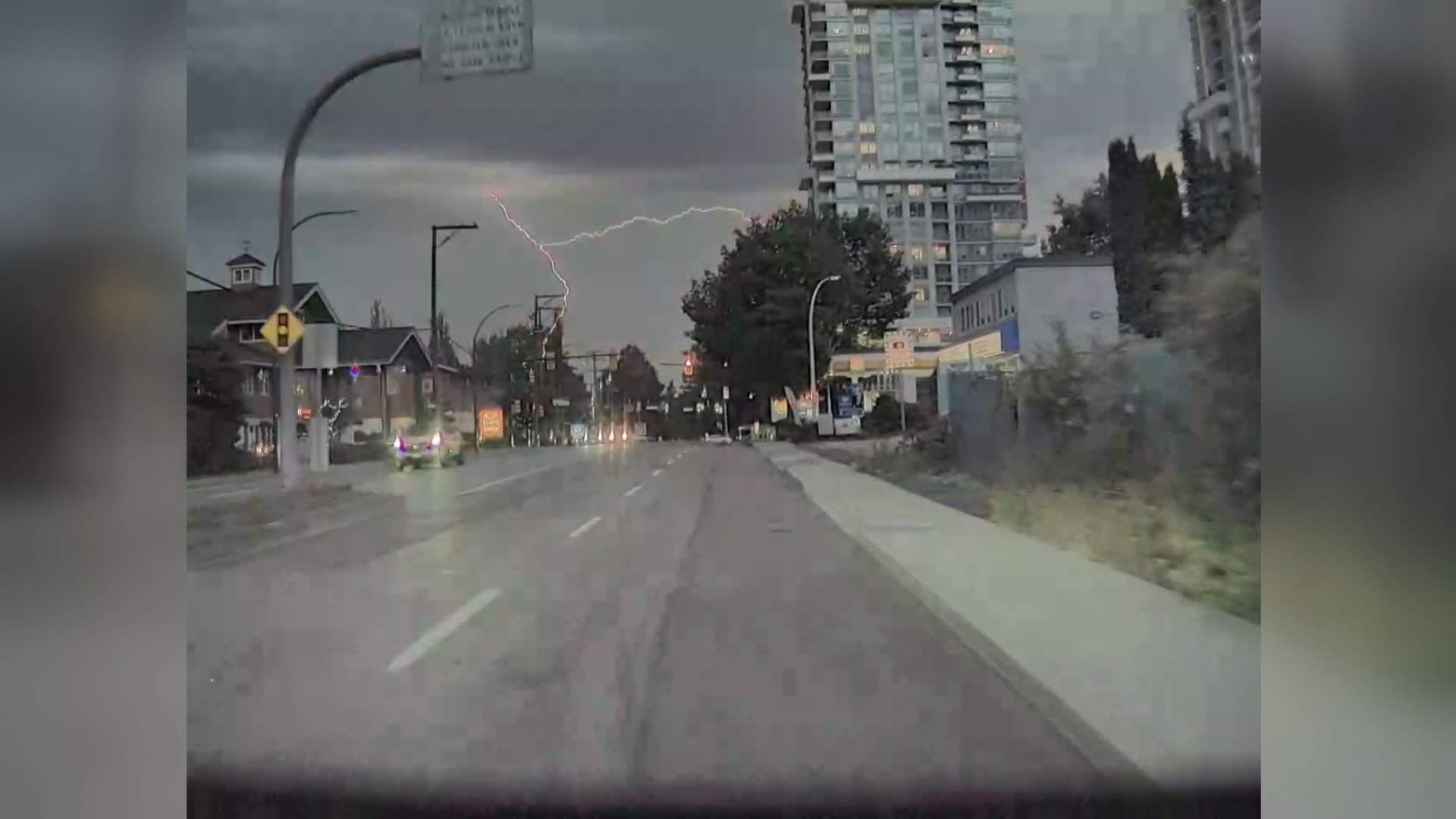
Lightning hits homes on Vancouver Island as storm swept across region
Top
Lightning hits homes on Vancouver Island as storm swept across region
More Local Coverage
Latest news Politics
Powerful pro-life ad featuring boxing legend to air during final World Cup matches
Politics
Powerful pro-life ad featuring boxing legend to air during final World Cup matches
 Local News
Cowichan sports shorts: rugby, hockey, biking
Local News
Cowichan sports shorts: rugby, hockey, biking