


Environment Canada has issued a yellow heat warning for Simcoe County, Muskoka, and much of southern and central Ontario with more extreme temperatures expected this week.
Another heatwave is officially on its way. Environment Canada has issued a yellow heat warning for Simcoe County, Muskoka, and much of southern and central Ontario with more extreme temperatures expected this week. How hot it will get According to the weather agency, temperatures could reach as high as 36 degrees and lows could remain above 23 degrees.
Humidex values could reach 45. The heat event is expected to take effect from Monday until Wednesday or Thursday evening. “Tuesday will mark the peak of this heat event,” said the weather agency in its advisory.
“Hot and humid air can also bring deteriorating air quality and can result in the Air Quality Health Index approaching the high-risk category.” Widespread warnings The heat advisories are widespread across the entire province. The yellow warnings span from Windsor to the Quebec border and all the way up to Sault Ste.
Marie. Sudbury and North Bay. Orange heat and air quality warnings have been issued for more northern and northwestern areas of Ontario, spilling into parts of Quebec, Manitoba and Saskatchewan.
Taking action Environment Canada is repeating its safety messaging from the previous heat event two weeks ago, especially for vulnerable populations such as seniors and children. “Watch for the early signs of heat exhaustion in yourself and others. Signs may include headache, nausea, dizziness, thirst, dark urine and intense fatigue,” said the weather agency.
“Call 911 or your emergency health provider if you, or someone around you, is showing signs of heat stroke which can include red and hot skin, dizziness, nausea, confusion and change in consciousness.” Other actions include staying hydrated before feeling thirsty, remaining in air-conditioned environments, and planning outdoor activities during the coolest parts of the day.
- Published
- Jul 12, 2026
- Updated
- Jul 12, 2026
- Source
- Ctv News
- Category
- Environment
- Read time
- 1 min
Key facts
Why this matters locally
This environment story matters locally because it may affect readers, businesses, commuters, families, or public services in British Columbia.
Local impact
BC Post links this item to British Columbia coverage so readers can follow related city updates, weather, traffic, events, and category news in one place.
Timeline
Source and credit
BC Post may summarize, organize, and add local context for reader clarity. Original reporting remains with the listed publisher.
Related Articles
View all Environment
Metro Vancouver issues air quality warning as wildfire smoke drifts in
Environment
Metro Vancouver issues air quality warning as wildfire smoke drifts in
 Environment
A powerful movement of healing arrives at Delta’s Discovery Centre
Environment
A powerful movement of healing arrives at Delta’s Discovery Centre
 Environment
Vancouver forecast in 'sweet spot' but hot temperatures on the way
Environment
Vancouver forecast in 'sweet spot' but hot temperatures on the way
 Environment
Spanish Mountain Gold Reports 69.20 Metres of 0.74 g/t Gold and 77.85 Metres of 0.70 g/t Gold as Part of Its Feasibility Study Drill Program
Environment
Spanish Mountain Gold Reports 69.20 Metres of 0.74 g/t Gold and 77.85 Metres of 0.70 g/t Gold as Part of Its Feasibility Study Drill Program
 Environment
Mark Carney's new climate doctrine
Environment
Mark Carney's new climate doctrine
 Environment
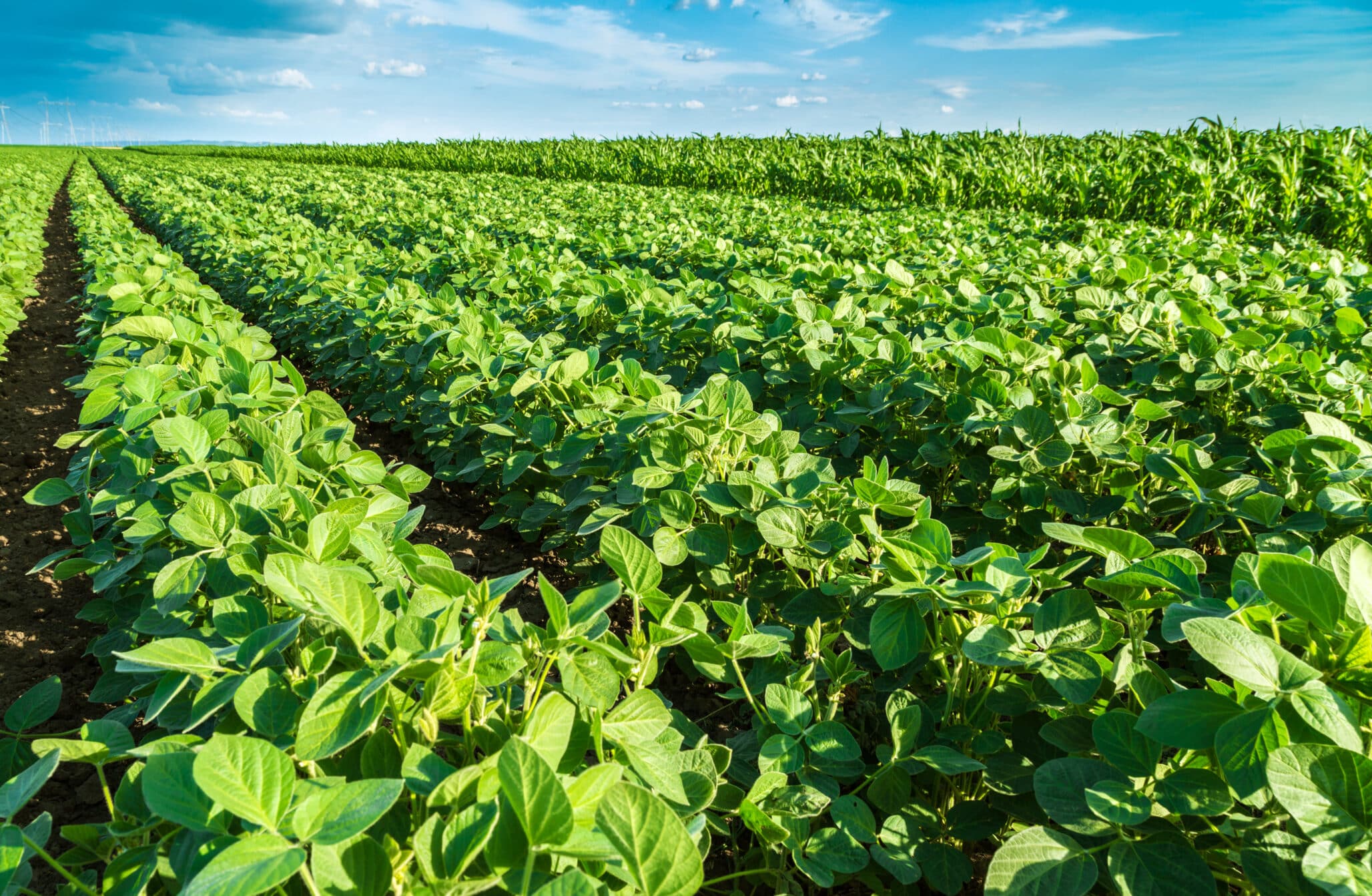
EU Excludes Soybean Seed from Deforestation Rules
Environment
EU Excludes Soybean Seed from Deforestation Rules
More Local Coverage
Latest news Politics
Powerful pro-life ad featuring boxing legend to air during final World Cup matches
Politics
Powerful pro-life ad featuring boxing legend to air during final World Cup matches
 Local News
Cowichan sports shorts: rugby, hockey, biking
Local News
Cowichan sports shorts: rugby, hockey, biking