


The Gogama, Foleyet, Chapleau and Missinaibi Lake areas are affected by the Environment and Climate Change Canada-issued heat warning
A heat warning effective July 12 has been issued for areas north of Sudbury, including Gogama Foleyet, Chapleau and Missinaibi Lake. Heat warnings are issued by Environment and Climate Change Canada when the forecast rises for two days to 29 degrees Celsius or above during the day and 18 degrees Celsius or above at night, or the humidex is 36 or above. As such, the broader Greater Sudbury area is close to the threshold which would necessitate a similar such warning.
The Sunday high is forecast by Environment Canada at 28 C, followed by 17 C overnight, 32 C on Monday and 20 C overnight into Tuesday, whose high is 34 C. As of late afternoon July 11, the humidex in Sudbury was 31 per cent. “Continuous exposure to high levels of heat can lead to dehydration and illnesses such as heat stroke, heat exhaustion, heat fainting, heat edema (swelling of hands, feet, and ankles), heat rash, heat cramps (muscle cramps), and even death,” Public Health Sudbury and Districts cautioned in a media release issued in response to the Environment and Climate Change Canada declaration.
People at most risk include older adults, infants and young children, pregnant people, people with chronic illnesses, people who are unhoused, people who use alcohol or other drugs, and those who work or exercise in the heat, Public Health Cautioned. Those who take medications or have a health condition should consult their doctor or pharmacist to determine if they are at increased risk from the heat and follow their recommendations. “Although some individuals are at higher risk, anyone can suffer from heat-related illnesses,” Health Protection Division manager for Public Health Burgess Hawkins said in the media release.
“Everyone should take precautions.” Some tips they offer include: - Frequently visit or check-in on neighbours, friends, and older family members, especially those who are chronically ill, to make sure that they are cool and hydrated. - Drink plenty of cool liquids, especially water, before you feel thirsty to reduce your risk of dehydration.
You may already be dehydrated before you feel thirsty. Babies may need to nurse or bottle-feed more often in hot weather. Follow your baby’s feeding cues.
Do not offer water to babies under 6 months of age. - Encourage children to drink frequently. - Reschedule or plan outdoor activities during cooler parts of the day.
- Wear loose-fitting, light-coloured clothing made of breathable fabric. - Never leave people or pets inside a parked vehicle or in direct sunlight,even if the windows are down. - Take a break from the heat by spending a few hours in a cool place.
- Take a cool bath or shower periodically, or cool down with cool, wet towels. - Prepare meals that do not need to be cooked in your oven. - Block sun out by closing awnings, curtains, or blinds during the day.
- Avoid sun exposure. Shade yourself by wearing a wide-brimmed, breathable hat, or using an umbrella. Signs and symptoms of heat-related illness include dizziness or fainting, nausea or vomiting, headache, rapid breathing and a fast heartbeat, extreme thirst, confusion, and less urination with unusually dark yellow urine.
“If you or someone in your care experiences these symptoms, contact a health care professional,” Public Health said. “You can also call or chat online with a registered nurse day or night for free, secure, and confidential health advice by contacting Health811—visit health811.ontario.ca (Ontario Government) or call 811 (TTY 1-866-797-0007). In emergencies, phone 911.
- Published
- Jul 11, 2026
- Updated
- Jul 11, 2026
- Source
- Sudbury.com
- Category
- Environment
- Read time
- 3 min
Key facts
Why this matters locally
This environment story matters locally because it may affect readers, businesses, commuters, families, or public services in British Columbia.
Local impact
BC Post links this item to British Columbia coverage so readers can follow related city updates, weather, traffic, events, and category news in one place.
Timeline
Source and credit
BC Post may summarize, organize, and add local context for reader clarity. Original reporting remains with the listed publisher.
Related Articles
View all Environment
50-hectare wildfire burns between Clearwater and 100 Mile House
Environment
50-hectare wildfire burns between Clearwater and 100 Mile House
 Environment
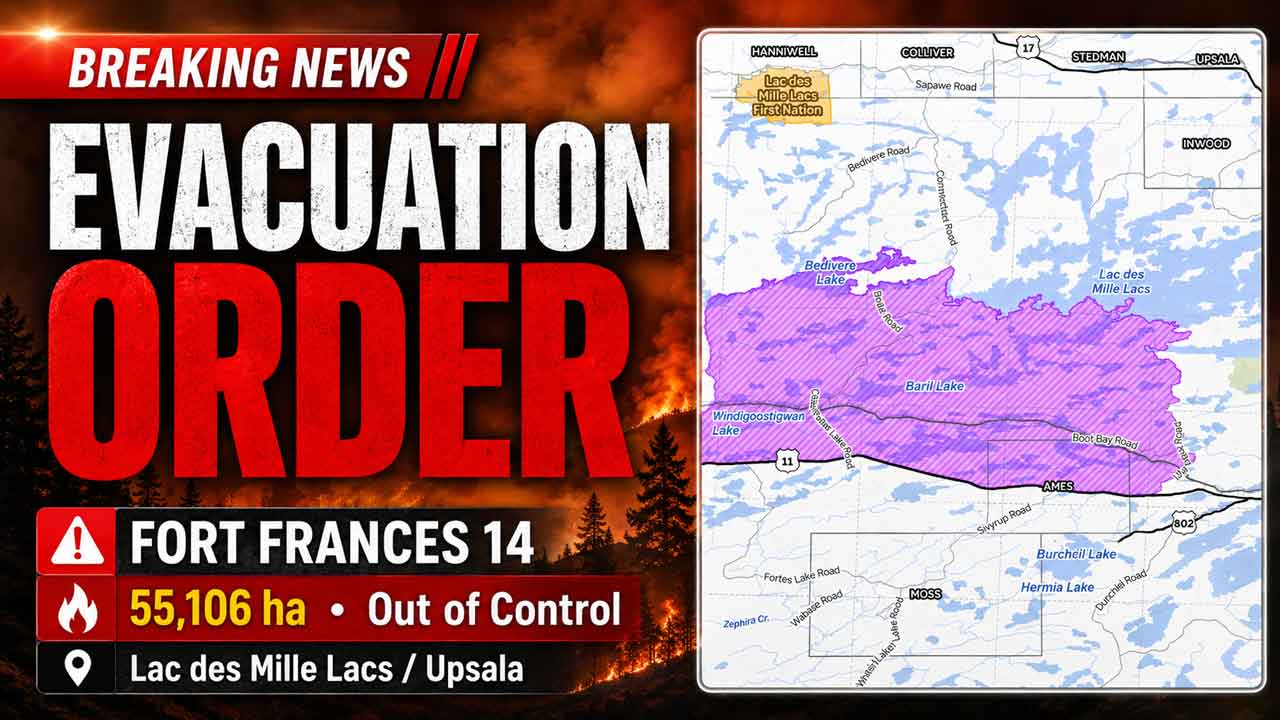
Updated Evacuation Information for Wildfire Fort Frances 14 (July 17 2026)
Environment
Updated Evacuation Information for Wildfire Fort Frances 14 (July 17 2026)
 Environment
A powerful movement of healing arrives at Delta’s Discovery Centre
Environment
A powerful movement of healing arrives at Delta’s Discovery Centre
 Environment
EU Excludes Soybean Seed from Deforestation Rules
Environment
EU Excludes Soybean Seed from Deforestation Rules
 Environment
Metro Vancouver issues air quality warning as wildfire smoke drifts in
Environment
Metro Vancouver issues air quality warning as wildfire smoke drifts in
 Environment
Vancouver forecast in 'sweet spot' but hot temperatures on the way
Environment
Vancouver forecast in 'sweet spot' but hot temperatures on the way
More Local Coverage
Latest news Business
AI Market Trends: Q2 2026 Review and Forecast
Business
AI Market Trends: Q2 2026 Review and Forecast
 Politics
Powerful pro-life ad featuring boxing legend to air during final World Cup matches
Politics
Powerful pro-life ad featuring boxing legend to air during final World Cup matches