


"While there was a lot of flooding and certainly a lot of water, a lot of the trails have come through OK."
KANANASKIS COUNTRY – Crews have been making their rounds across Kananaskis Country to assess damage and get trails back into commission after heavy rain and flooding soaked the region earlier this month. Working alongside Alberta Parks and public lands, the Friends of Kananaskis Country say trails are drying out and a majority are now usable. “A lot of the trails are in decent shape," said Trevor Julian, executive director of the Friends.
“While there was a lot of flooding and certainly a lot of water, a lot of the trails have come through OK.” Staff and volunteers with the non-profit have been on well over 20 trails as of last week, assessing damage and addressing drainage issues. “We've been out just about every day on multiple trails a day,” said Julian.
“I think the damage is not as bad as it could have been. It's certainly nothing close to what it was in 2013, but [we’re] still assessing it to determine what are the big fixes and what's going to take longer.” The trails included in Alberta Parks’ list of closures are the ones that saw the biggest impact from the deluge that left the area in a local state of emergency for two days, Julian added, with either bad erosion or damaged infrastructure, like washed out bridges, leaving them unusable.
The closure is still affecting popular areas like Ribbon Creek, parts of Three Isle Lake Trail and Black Prince Day Use area. “We're finding trails that are generally well-built and in a good area that aren't prone to wetness survived that rain event pretty well,” he said. “Trails or areas that are prone to wetness, whether they're low or just prone to erosion saw a lot more damage.”
“There will be some areas that are wet now that will remain wet for a long time because of that fact.” Julian says the crews are also seeing many springs pop up across K-Country due to the high concentration of water in the ground. "There are, in some cases, wet areas where previously they weren't.
We can address a lot of those with hand tools and different ways to keep water off trails," he said. With thousands of kilometres of ground to cover across all ends of K-Country, when trail closures will be lifted is still unknown. “We're really still in the assessment phase because Kananaskis is a great big place with a lot of trails, and just getting to those to assess them and then come up with a plan of priorities and what to take on first, it could take a while,” he said, noting trail crews are also focusing on clearing many downed trees that the storm left behind.
In the meantime, Alberta Parks is asking trail users to respect closures in order to prevent more damage to trails. “If you're walking along and you're putting in your deep footprints because you're walking in muck, you're causing damage to the trail and that could result in a lot of that dirt falling off the trail or big rutting and all kinds of issues,” says Julian, noting it's the same for bikers and equestrian users. “It’s best to come back another day.
Let those trails dry out or pick a trail that's at higher elevation or just has better drainage.” Julian says the public is also encouraged to report trail damage to Alberta Parks at 1-877-537-2757 or the Friends of Kananaskis by emailing [email protected]. To volunteer to help with trail repair, visit: kananaskis.org “I think all trail users have a level of responsibility to the trail and making sure they're not wrecking it.
It's just too much work to fix those problems." The Local Journalism Initiative is funded by the Government of Canada. This position covers Îyârhe (Stoney) Nakoda First Nation and Kananaskis Country.
- Published
- Jul 16, 2026
- Updated
- Jul 16, 2026
- Source
- Rocky Mountain Outlook
- Category
- Environment
- Read time
- 3 min
Key facts
Why this matters locally
This environment story matters locally because it may affect readers, businesses, commuters, families, or public services in British Columbia.
Local impact
BC Post links this item to British Columbia coverage so readers can follow related city updates, weather, traffic, events, and category news in one place.
Timeline
Source and credit
BC Post may summarize, organize, and add local context for reader clarity. Original reporting remains with the listed publisher.
Related Articles
View all Environment
50-hectare wildfire burns between Clearwater and 100 Mile House
Environment
50-hectare wildfire burns between Clearwater and 100 Mile House
 Environment
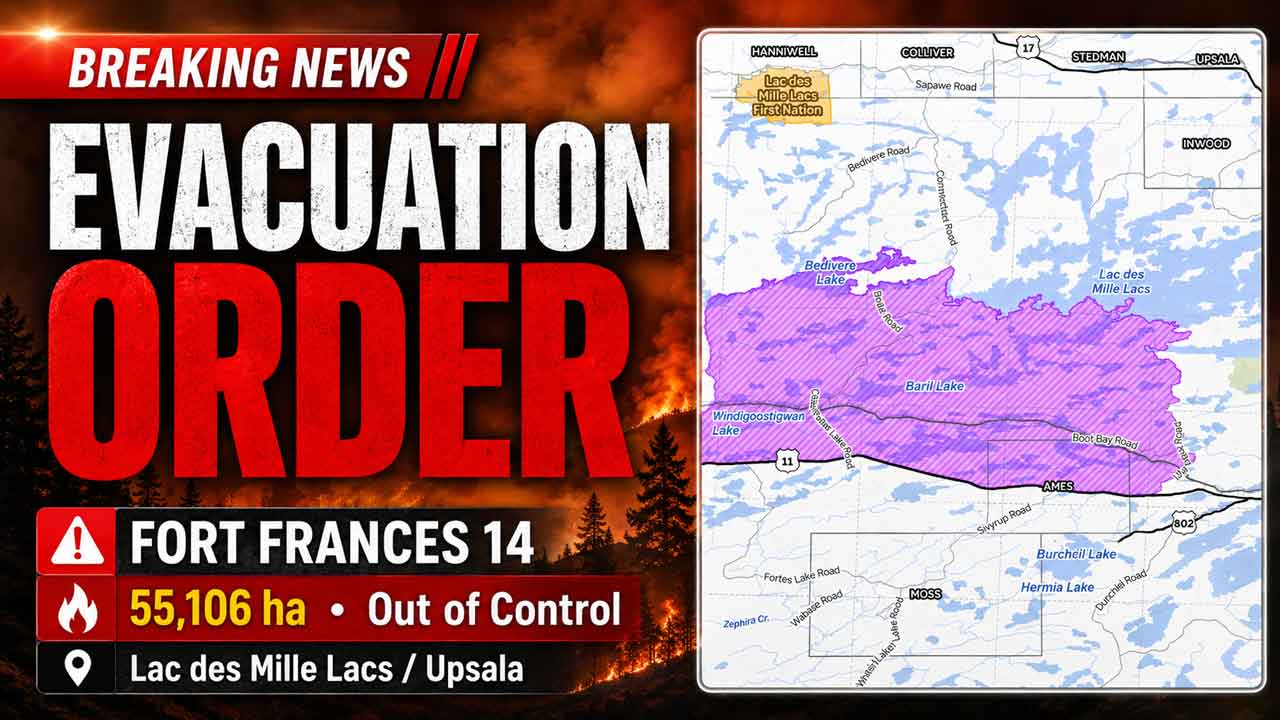
Updated Evacuation Information for Wildfire Fort Frances 14 (July 17 2026)
Environment
Updated Evacuation Information for Wildfire Fort Frances 14 (July 17 2026)
 Environment
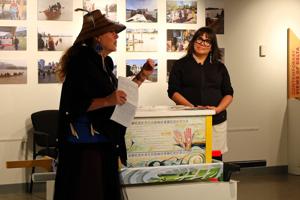
A powerful movement of healing arrives at Delta’s Discovery Centre
Environment
A powerful movement of healing arrives at Delta’s Discovery Centre
 Environment
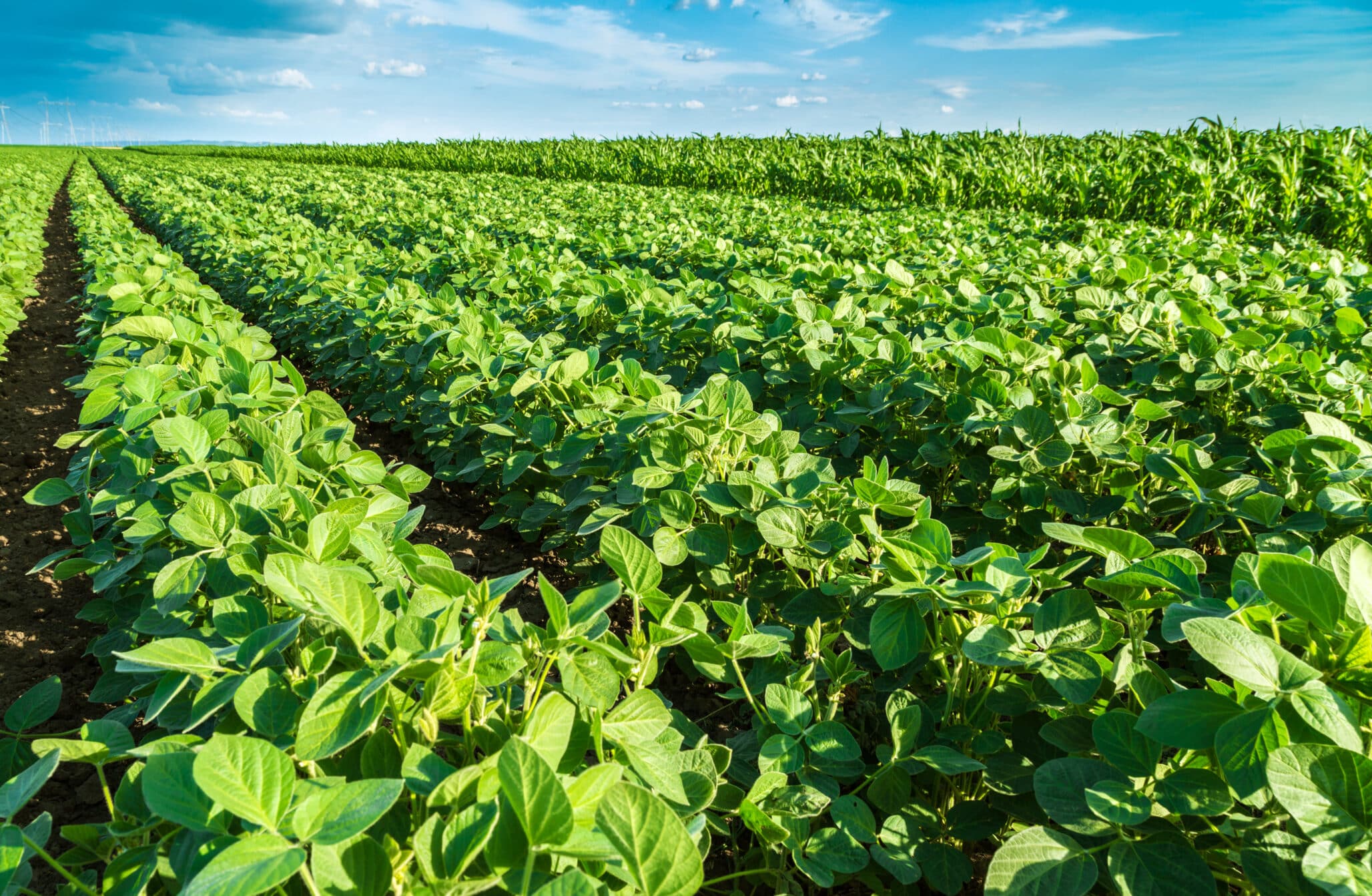
EU Excludes Soybean Seed from Deforestation Rules
Environment
EU Excludes Soybean Seed from Deforestation Rules
 Environment
Metro Vancouver issues air quality warning as wildfire smoke drifts in
Environment
Metro Vancouver issues air quality warning as wildfire smoke drifts in
 Environment
Vancouver forecast in 'sweet spot' but hot temperatures on the way
Environment
Vancouver forecast in 'sweet spot' but hot temperatures on the way
More Local Coverage
Latest news Business
AI Market Trends: Q2 2026 Review and Forecast
Business
AI Market Trends: Q2 2026 Review and Forecast
 Politics
Powerful pro-life ad featuring boxing legend to air during final World Cup matches
Politics
Powerful pro-life ad featuring boxing legend to air during final World Cup matches