


Those who have been on the rivers say the currents have felt faster this season.
This summer has seen no shortage of rain. The City of Calgary issued a river safety advisory at the end of June warning outdoor enthusiasts of dangerous river levels. While that was lifted on July 7, those who have been on the rivers say the currents have felt faster this season.
“The water’s going a bit faster; usually, it takes us about two hours, two hours 50 minutes, to get to the zoo. And a few weeks ago, it took us an hour and a half. So in terms of speed, it’s about 30 per cent faster,” said Nik Goncin, an outdoor enthusiast who was taking off at the West Baker Park Boat Ramp.
“It seems to always be a little bit high kind of early on in the summer, and then it gets lower and slower as it heads into fall,” added Carla Sanesh, an outdoor enthusiast who says she’s on the river multiple times a week. According to Lazy Day Raft Rentals, rentals have been a bit slower this year due to the advisory and high river conditions. “I do think it’s because of the river ban.
I don’t think a lot of people are aware that the river is safe due to how high it’s been recently,” said Tanisha Nkunzi, Lazy Day Raft Rentals assistant manager, Baker location. However, now that we are more than a week removed from the advisory, river traffic has been picking up again, especially as the forecast is promising strong heat in the coming days. “Tomorrow (Saturday), we have another sold-out day, so I’m excited,” said Nkunzi.
With traffic picking up, Nkunzi and the Lifesaving Society of Alberta are reminding anyone on the rivers to be well-prepared and follow proper safety measures, especially because the rivers are higher than normal. “The islands have all disappeared, so it’s just a bunch of trees and bushes poking out of the water. Tons of people just kind of miss them, and then they end up hitting them, either puncturing their raft or capsizing,” Nkunzi said.
“It doesn’t matter how strong of a swimmer you are; the majority of incidents that we see are in these outdoor, unsupervised environments because there are so many additional hazards,” said Madison Lalonde, interim managing director with the Lifesaving Society Alberta/Northwest Territories. “When you think about lakes, ponds and rivers, there are underwater entrapment hazards. Even if you’re a strong swimmer, if your clothing or your limbs get stuck, you could get into a lot of trouble.”
Lalonde says 31 per cent of Alberta drownings occur in rivers, and 55 per cent occur between May and September, the most popular months for river-based activities. Many take to the water as a way to beat the heat, but Lalonde and Nkunzi both say you have to be mindful of how your body may react to strong heat on a river. “Imagine your body going from a 35-degree day outside, and you fall into cold water.
Your body can go into cold-water shock, which can not only affect your ability to think but also your musculature. ... You might not be able to self-rescue like you normally would,” Lalonde said.
“Definitely bring water, bring sunscreen, bring bug spray and whatnot. A lot of people just forget that they’re on the river for two hours; there’s no tree cover or any shadows or anything, so they’re going to have to spend that time in the sun.” Lalonde recommends travelling in a group, researching the area you’re going to be in and wearing your life jacket.
She also notes that not only are alcohol and drugs illegal while on a river, but they can also be a significant safety hazard. “If you combine those things with the hot sun, that can exasperate the effects of alcohol as well, so your inhibitions as well as your decision-making and your ability to self-rescue,” Lalonde said. Experienced enthusiasts like Sanesh say you have to be mindful that a river is a moving body of water and remember that what may work in an environment like a lake could actually be a serious danger in a river.
“I see so many people wearing ankle leashes. It is such a huge danger because if you do fall off and your ankle leash gets caught on a rock or a log or anything like that, it can actually hold you underwater,” she said. A Lifesaving Society study also showed that 100 per cent of drownings for children aged 5 or under had absent or distracted supervision, so Lalonde says if you’re out with children, it’s important to always keep a close eye on where they are.
- Published
- Jul 17, 2026
- Updated
- Jul 17, 2026
- Source
- Ctv News
- Category
- Environment
- Read time
- 4 min
Key facts
Why this matters locally
This environment story matters locally because it may affect readers, businesses, commuters, families, or public services in British Columbia.
Local impact
BC Post links this item to British Columbia coverage so readers can follow related city updates, weather, traffic, events, and category news in one place.
Timeline
Source and credit
BC Post may summarize, organize, and add local context for reader clarity. Original reporting remains with the listed publisher.
Related Articles
View all Environment
Metro Vancouver issues air quality warning as wildfire smoke drifts in
Environment
Metro Vancouver issues air quality warning as wildfire smoke drifts in
 Environment
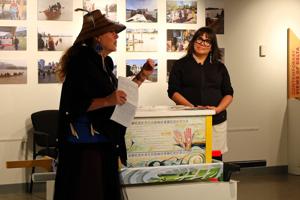
A powerful movement of healing arrives at Delta’s Discovery Centre
Environment
A powerful movement of healing arrives at Delta’s Discovery Centre
 Environment
Vancouver forecast in 'sweet spot' but hot temperatures on the way
Environment
Vancouver forecast in 'sweet spot' but hot temperatures on the way
 Environment
Spanish Mountain Gold Reports 69.20 Metres of 0.74 g/t Gold and 77.85 Metres of 0.70 g/t Gold as Part of Its Feasibility Study Drill Program
Environment
Spanish Mountain Gold Reports 69.20 Metres of 0.74 g/t Gold and 77.85 Metres of 0.70 g/t Gold as Part of Its Feasibility Study Drill Program
 Environment
Mark Carney's new climate doctrine
Environment
Mark Carney's new climate doctrine
 Environment
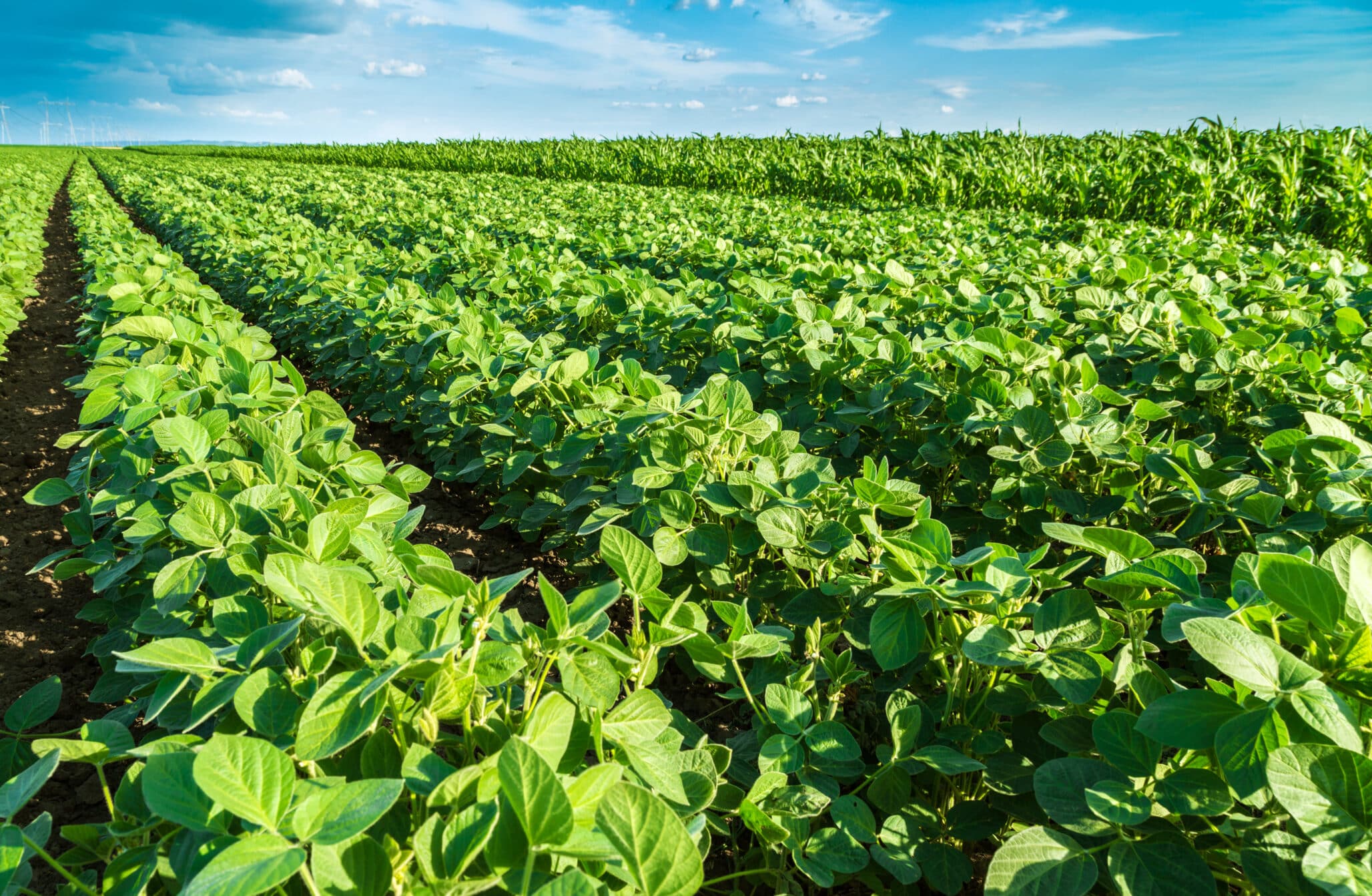
EU Excludes Soybean Seed from Deforestation Rules
Environment
EU Excludes Soybean Seed from Deforestation Rules
More Local Coverage
Latest news Local News
Cowichan sports shorts: rugby, hockey, biking
Local News
Cowichan sports shorts: rugby, hockey, biking
 Top Stories
Yukon minerals work still under review despite federal announcement
Top Stories
Yukon minerals work still under review despite federal announcement