


Rural municipalities in Saskatchewan have raised the alarm about the presence of Black Henbane, which can cause serious injuries. We tell you what to do if you encounter one.
Meet Black Henbane, the highly toxic plant spreading around Lake Diefenbaker RM of Victoria issued alert to Saskatchewan residents about the danger Residents around Lake Diefenbaker have raised concerns about sightings of Black Henbane in their area, and the RM of Victoria issued an alert this week. Also known as Stinking Nightshade, it's a highly toxic, invasive species. “All parts of the plant are toxic; however, the highest concentration of toxins is in the seeds,” said University of Saskatchewan toxicologist Vanessa Cowan.
Black Henbane is listed as noxious under the Weed Control Act. It's considered common in the province and is being controlled but can't be totally eliminated. Cory Jacob, a weed inspector with the provincial agriculture ministry, said people like him are the ones who actively scout for problem plants and know how to control them safely.
He said Black Henbane can usually be found anywhere in the province, but is most common in pastures, roadsides and ditches. “It doesn't like ... plant competition or shading very much. So it'll be in an area where it can kind of grow and thrive."
Each plant can produce up to 500,000 seeds, which can be spread by wildlife, weather or water, Jacob said. “That's a lot of potential plants and [they are] viable for about three to four to five years afterwards. You could have a seed drop there and it could show up in a couple of years.”
Cowan said the toxin in the plant directly affects the nervous system. Symptoms of poisoning can include dry mouth, rapid heartbeat, hallucinations and even death in cases of high consumption. “A phrase used to describe this type of syndrome is 'mad as a hatter, hot as a hare, dry as a bone, red as a beet, and blind as a bat,'” she said.
Cowan specializes in veterinary toxicology. While the plant has a pungent odour that can alert livestock to its presence, wildlife and pets are usually the most vulnerable to the plant, she said. In case of consumption or contact, seek immediate medical attention.
In an email to CBC, the RM of Victoria said land owners are using the proper procedures when dealing with any plants they find. Jacob said the main things to avoid are touching the plant with bare hands or burning it. The most effective control practices are herbicides and mowing.
Bagging it to let it decompose is also an option, but it poses risk to animal species, he said. The best practice if a plant is spotted is to contact the weed inspector and share the information. All handling should be done with protective gear.
“I wouldn't say be afraid of it because, I mean, there's a lot of other harmful plants that we walk past every day. Just be aware of it, be cautious,” Jacob said.
- Published
- Jul 15, 2026
- Updated
- Jul 15, 2026
- Source
- Cbc
- Category
- Environment
- Read time
- 2 min
Key facts
Why this matters locally
This environment story matters locally because it may affect readers, businesses, commuters, families, or public services in British Columbia.
Local impact
BC Post links this item to British Columbia coverage so readers can follow related city updates, weather, traffic, events, and category news in one place.
Timeline
Source and credit
BC Post may summarize, organize, and add local context for reader clarity. Original reporting remains with the listed publisher.
Related Articles
View all Environment
50-hectare wildfire burns between Clearwater and 100 Mile House
Environment
50-hectare wildfire burns between Clearwater and 100 Mile House
 Environment
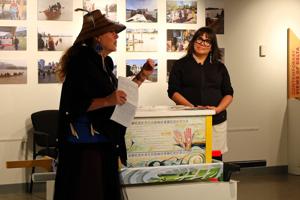
A powerful movement of healing arrives at Delta’s Discovery Centre
Environment
A powerful movement of healing arrives at Delta’s Discovery Centre
 Environment
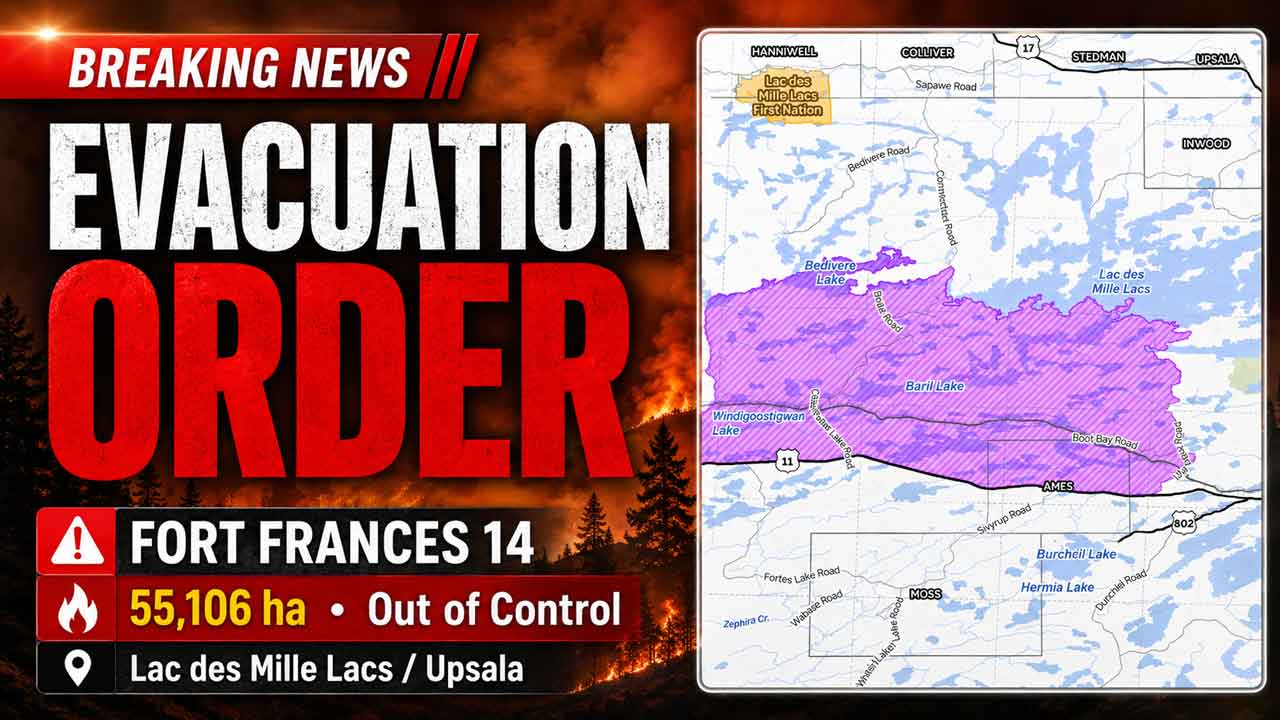
Updated Evacuation Information for Wildfire Fort Frances 14 (July 17 2026)
Environment
Updated Evacuation Information for Wildfire Fort Frances 14 (July 17 2026)
 Environment
EU Excludes Soybean Seed from Deforestation Rules
Environment
EU Excludes Soybean Seed from Deforestation Rules
 Environment
Metro Vancouver issues air quality warning as wildfire smoke drifts in
Environment
Metro Vancouver issues air quality warning as wildfire smoke drifts in
 Environment
Vancouver forecast in 'sweet spot' but hot temperatures on the way
Environment
Vancouver forecast in 'sweet spot' but hot temperatures on the way
More Local Coverage
Latest news Politics
Powerful pro-life ad featuring boxing legend to air during final World Cup matches
Politics
Powerful pro-life ad featuring boxing legend to air during final World Cup matches
 Business
AI Market Trends: Q2 2026 Review and Forecast
Business
AI Market Trends: Q2 2026 Review and Forecast