


A plan to decrease the number of accessible voting devices available in Vancouver’s upcoming election has been reversed—in what disability advocates are calling a small but important win for the community.
A plan to decrease the number of accessible voting devices available in Vancouver’s upcoming election has been reversed—in what disability advocates are calling a small but important win for the community. The city’s election office previously proposed offering just one of the devices, which help voters with disabilities cast a ballot in privacy, including by allowing those with dexterity impairments to vote by blowing into a tube. Instead, officials announced Friday that they will have five at separate locations across the city this year, up from the two offered in 2022.
“It’s five times what they were going to do,” said Gabrielle Peters, a disabled writer and policy analyst. “People spoke up, and here we are. It’s a tiny little thing
but that’s what we need more of right now.” Vancouver leases the accessible voting devices for $1,500 each, plus staff training, in an election with an estimated budget of $9.4 million. The original plan was to provide the single device at the city’s election office at 305 West 8 th Ave., requiring some people with mobility issues to travel halfway across the city to exercise their right to vote, while most constituents can do so close to home.
Additional devices will now be available at four other locations, with the Dunbar Community Centre, Renfrew Park Community Centre, Roundhouse Community Centre and Sunset Community Centre identified as candidates. Peters noted Vancouver will still trail behind some other cities, including Toronto, which has one such device per ward. New York has one at every polling station.
Being a disability advocate often means having to be “both glass half full and glass half empty,” she said. “You have to be happy and optimistic about the fact that this change occurred at all, and at the same time not allow them to think this is a sufficient change,” Peters explained. “It’s 2026
and we should have them at every voting station, period, end of discussion.” She also hopes the reversal will inspire more people to speak out about issues that affect their lives. “It’s not a great thing that they did this—it’s a great thing that they were made to do this,” Peters said.
“I hope that disabled people see these things and think, I’m going to make a fuss, I’m going to make a stink, I’m going to make demands, and I’m not going to sit here silently anymore.” After concerns were raised over the proposal in June, city councillors unanimously approved an amendment put forward by Lucy Maloney to explore expanding the availability of the devices. Staff cited low turnout for the original recommendation, noting there were only 10 users of the devices in 2014, two in 2018 and none in 2022.
Peters said the disabled people she spoke with prior to last month’s vote had been unaware the option existed, and argued it was incumbent on the elections office to spread the word through a targeted educational campaign. As part of the initial proposal, the devices will be available from the first day of advance voting on Oct. 3 through election day on Oct. 17, much longer than the five days offered in the previous election. Vancouver has also boasted a major expansion of advance voting in general, going from 22 polling stations in the last election to 60 this year, plus a nearly 78 per cent increase in workers to help manage lines, assist with accessibility and provide language support.
- Published
- Jul 17, 2026
- Updated
- Jul 17, 2026
- Source
- Ctv News
- Category
- Politics
- City
- Vancouver
- Read time
- 3 min
Key facts
Why this matters locally
This politics story matters locally because it may affect readers, businesses, commuters, families, or public services in Vancouver.
Local impact
BC Post links this item to Vancouver coverage so readers can follow related city updates, weather, traffic, events, and category news in one place.
Timeline
Source and credit
BC Post may summarize, organize, and add local context for reader clarity. Original reporting remains with the listed publisher.
Related Articles
View all Politics
Powerful pro-life ad featuring boxing legend to air during final World Cup matches
Politics
Powerful pro-life ad featuring boxing legend to air during final World Cup matches
 Local News
Lions earn first win by handing Elks their first loss in 36-24 decision
Local News
Lions earn first win by handing Elks their first loss in 36-24 decision
 Top
BCWS aircraft helping Kamloops firefighters battle grass fire above Shuswap Road
Top
BCWS aircraft helping Kamloops firefighters battle grass fire above Shuswap Road
 Business
B.C.'s Massey Tunnel replacement doubles in cost to estimated $8.5 billion
Business
B.C.'s Massey Tunnel replacement doubles in cost to estimated $8.5 billion
 Top
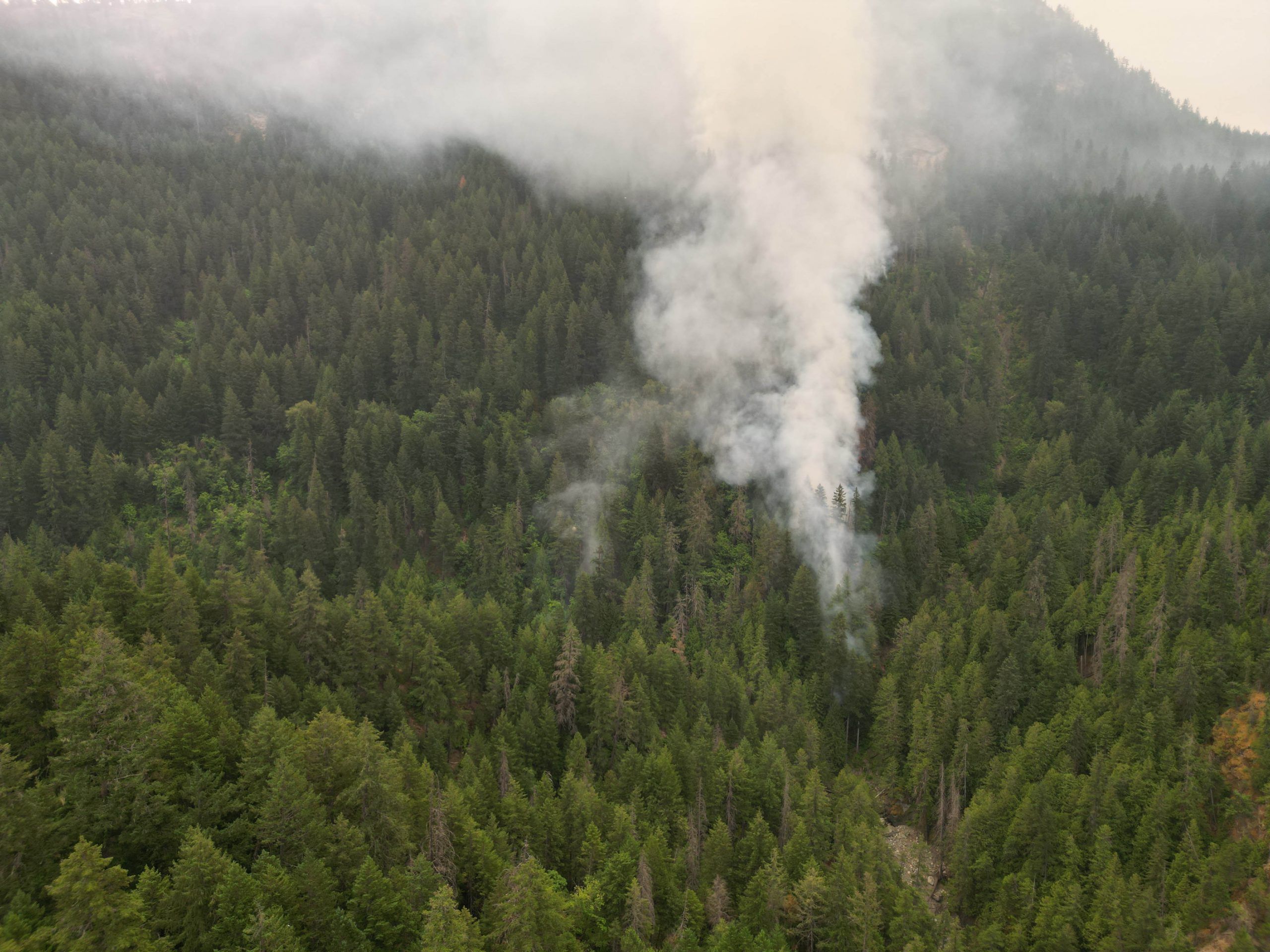
Brunswick Creek wildfire grows, leads to air quality warning in east Fraser Valley
Top
Brunswick Creek wildfire grows, leads to air quality warning in east Fraser Valley
 Local News
Consumer watchdog secures 4 ticketing undertakings during World Cup
Local News
Consumer watchdog secures 4 ticketing undertakings during World Cup
More From Vancouver
View all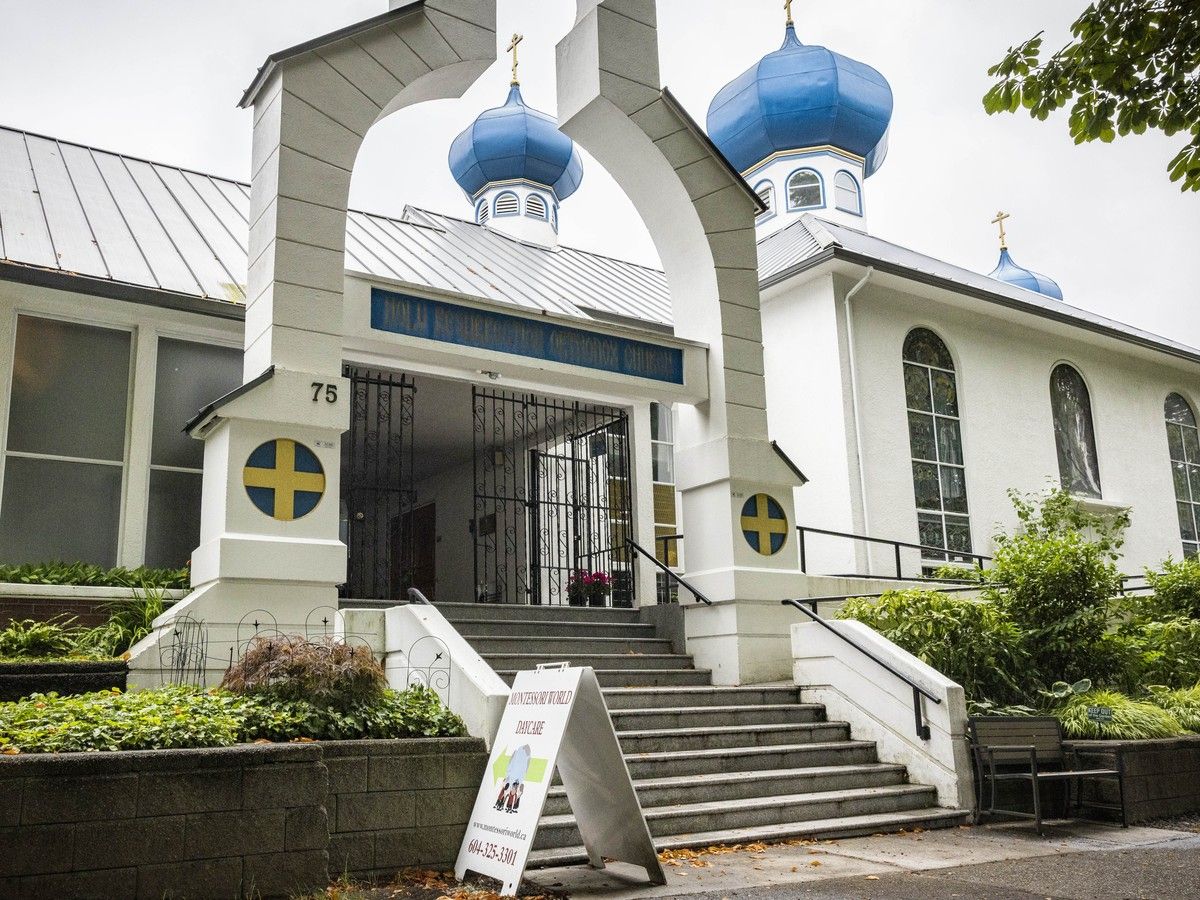 Top
Vancouver daycare avoids eviction from church hall — but only until year's end
Top
Vancouver daycare avoids eviction from church hall — but only until year's end
 Business
'We know we're a little crazy': Sisters turn spontaneous idea into downtown Vancouver cafe
Business
'We know we're a little crazy': Sisters turn spontaneous idea into downtown Vancouver cafe
 Top
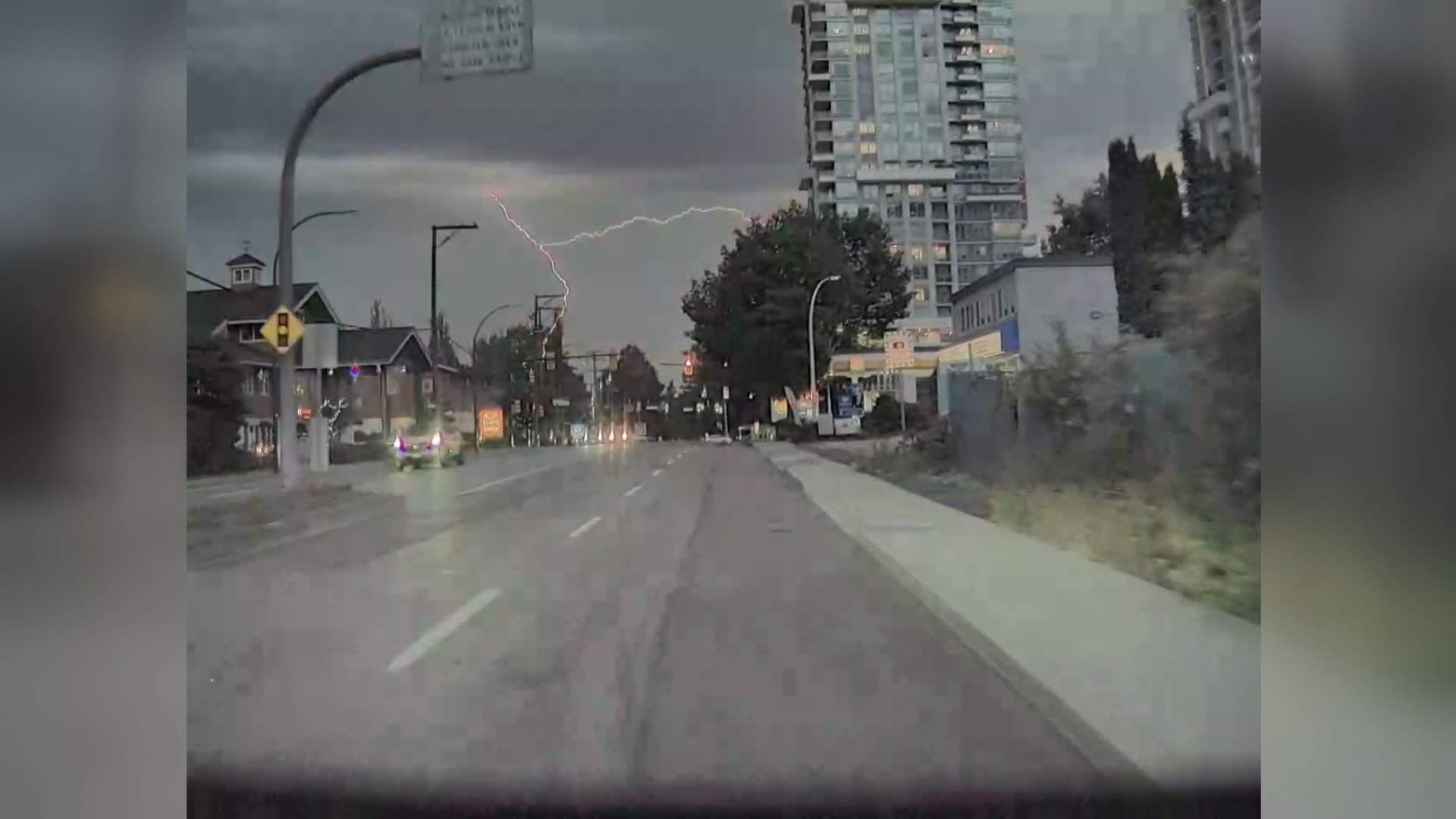
Lightning hits homes on Vancouver Island as storm swept across region
Top
Lightning hits homes on Vancouver Island as storm swept across region
More Local Coverage
Latest news Business
AI Market Trends: Q2 2026 Review and Forecast
Business
AI Market Trends: Q2 2026 Review and Forecast
 Local News
Cowichan sports shorts: rugby, hockey, biking
Local News
Cowichan sports shorts: rugby, hockey, biking