

A fire broke out at the Afipsky oil refinery in southern Russia after a drone attack, while fuel facilities in the Ukrainian Black Sea port of Odesa were hit as Moscow and Kyiv exchanged strikes overnight.
(Bloomberg) — A fire broke out at the Afipsky oil refinery in southern Russia after a drone attack, while fuel facilities in the Ukrainian Black Sea port of Odesa were hit as Moscow and Kyiv exchanged strikes overnight. Falling drone debris caused the blaze at the Afipsky plant, local emergency services said in a statement on Telegram on Tuesday.
Several residential buildings and railroad infrastructure were also damaged. The 180,000-barrel-a-day refinery has been the target of multiple Ukrainian drone attacks, most recently in early June. The Ukrainian military has not taken responsibility for the latest assault, but it’s been carrying out almost daily strikes on Russian energy assets in an effort to bring the Kremlin to the negotiating table.
As a result, Russian refining runs have dropped to the lowest in more than 21 years, according to EA Analytics, deepening a domestic fuel crunch and further squeezing the global market. Separately, falling drone debris caused multiple fires in an industrial area of Salavat in the Russian republic of Bashkortostan, according to the regional governor, Radiy Khabirov. Salavat is home to the Gazprom Neftekhim Salavat petrochemical and refining plant, which has an oil-processing capacity of 200,000 barrels a day.
Gazprom PJSC, which owns the facility, didn’t immediately respond to a request for comment. Meanwhile, Russian forces attacked Ukraine’s Odesa region, striking infrastructure used to unload and store fuel and lubricants for the military at Pivdennyi port, Interfax reported, citing the Defense Ministry in Moscow. Pivdennyi is Ukraine’s largest deepwater Black Sea terminal and part of the Greater Odesa port cluster.
Before the war, it was the country’s biggest port by cargo turnover and a key hub for bulk and liquid-bulk cargoes.
- Published
- Jul 14, 2026
- Updated
- Jul 14, 2026
- Source
- Financial Post
- Category
- Crime
- Read time
- 1 min
Key facts
Why this matters locally
This crime story matters locally because it may affect readers, businesses, commuters, families, or public services in British Columbia.
Local impact
BC Post links this item to British Columbia coverage so readers can follow related city updates, weather, traffic, events, and category news in one place.
Timeline
Source and credit
BC Post may summarize, organize, and add local context for reader clarity. Original reporting remains with the listed publisher.
Related Articles
View all Crime
Video shows rescue of lone survivor from deadly B.C. helicopter crash
Crime
Video shows rescue of lone survivor from deadly B.C. helicopter crash
 Crime
A dozen cats are missing after New Westminster apartment fire that displaced roughly 100 residents
Crime
A dozen cats are missing after New Westminster apartment fire that displaced roughly 100 residents
 Crime
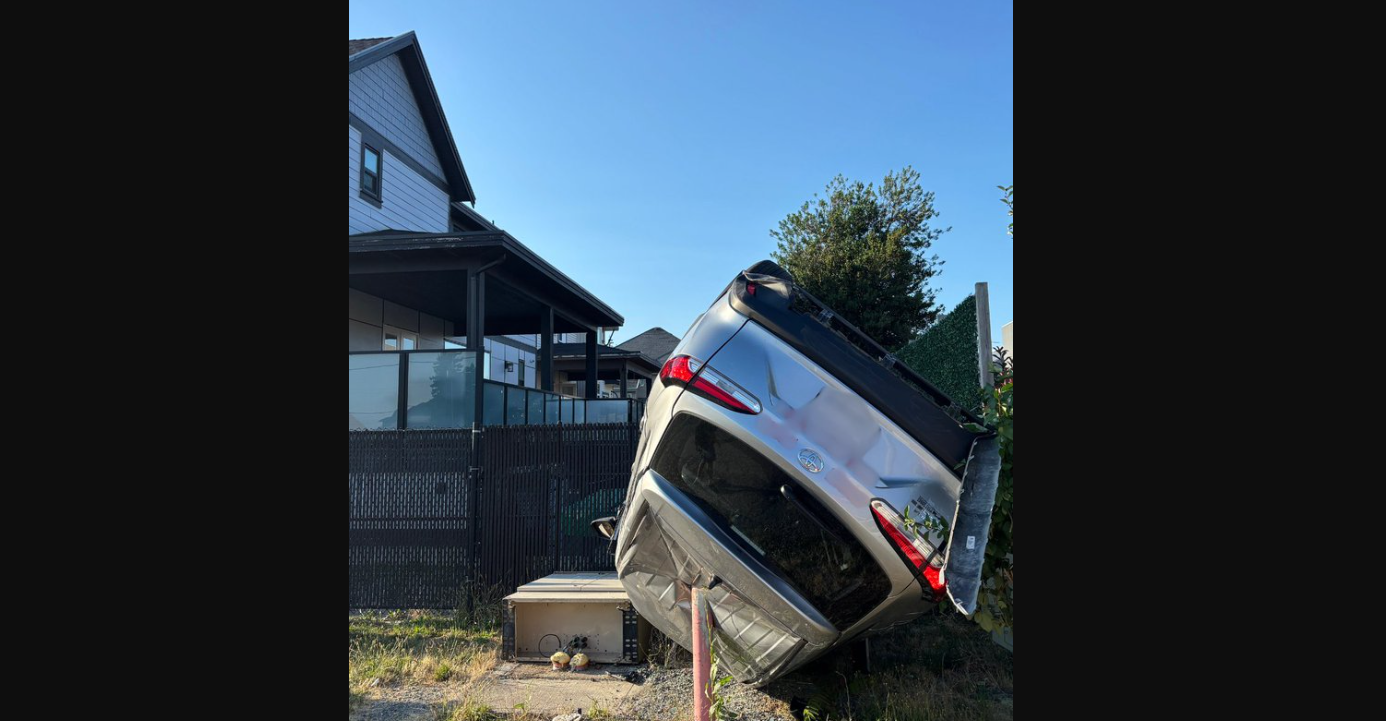
‘N’ driver involved in Abbotsford rollover crash, police say
Crime
‘N’ driver involved in Abbotsford rollover crash, police say
 Crime
B.C. seeks forfeiture of alleged gangster’s properties worth more than $6.2 million
Crime
B.C. seeks forfeiture of alleged gangster’s properties worth more than $6.2 million
 Crime
Woman in 70s assaulted in Abbotsford’s Ellwood Park
Crime
Woman in 70s assaulted in Abbotsford’s Ellwood Park
 Crime
Motorcycle impounded after new rider reaches ‘shocking speed’ on B.C. highway
Crime
Motorcycle impounded after new rider reaches ‘shocking speed’ on B.C. highway
More Local Coverage
Latest news Politics
Powerful pro-life ad featuring boxing legend to air during final World Cup matches
Politics
Powerful pro-life ad featuring boxing legend to air during final World Cup matches
 Business
AI Market Trends: Q2 2026 Review and Forecast
Business
AI Market Trends: Q2 2026 Review and Forecast