


Safe Harbour Society for Health and Housing is strengthening and expanding its Transitional Stabilization program.
Safe Harbour strengthening transitional stabilization, recovery pathways Published 4:16 pm Monday, July 13, 2026 Safe Harbour Society for Health and Housing is strengthening and expanding its Transitional Stabilization program. Developed in response to identified system needs and in collaboration with provincial partners, the program aims to address the gap between detox, recovery treatment, housing and community-based recovery supports.
Over the past year, the organization has worked to establish and deliver dedicated stabilization beds and recovery-focused case co-ordination that help individuals maintain stability, strengthen recovery plans and connect to the next appropriate level of care. “Too often, systems focus on preventing a crisis but overlook what happens after someone has taken the first steps toward recovery,” said Kelli Steele-Stanton, Safe Harbour executive director. “Recovery is not a single event.
It is a journey that requires ongoing support, coordination, and connection. Prevention also means preventing a return to homelessness, a return to crisis, or a return to substance use by ensuring people have the right supports, at the right time, for as long as they need them.” Safe Harbour stated Transitional Stabilization is designed to support individuals who are ready to move forward in their recovery journey but require additional time, stability and co-ordinated supports, including accommodations with access to dedicated stabilization beds, while awaiting admission to a recovery community, transitioning from detox, securing housing, reconnecting with healthcare services or establishing longer-term recovery plans.
“Recovery does not begin and end with detox, nor does it begin and end with treatment,” said Steele-Stanton. “For many people, the most vulnerable point in their recovery journey is the transition between services. Transitional Stabilization exists to ensure people are supported during those critical periods and do not fall through the gaps.”
Safe Harbour currently operates Transitional Stabilization beds alongside its Medical Detox program, PARC Navigation services, Diversion teams, housing stabilization supports, and Many Healing Blankets recovery and wellness programming. The organization has identified growing demand for these stabilization and recovery-transition supports across Central Alberta. As part of its 2027-2030 Strategic Plan, Safe Harbour is pursuing opportunities to strengthen transitional stabilization programming and planning for future expansion of stabilization bed capacity to address increasing regional demand.
Recovery systems are strongest when organizations work together to build upon existing services rather than operate in isolation, according to Steele-Stanton. “Central Alberta benefits when we focus on strengthening the continuum of care as a system,” she said. “Our goal is to ensure that individuals can move seamlessly between crisis response, stabilization, recovery, housing, healthcare, and long-term wellness supports without encountering unnecessary barriers.”
- Published
- Jul 13, 2026
- Updated
- Jul 13, 2026
- Source
- Red Deer Advocate
- Category
- Environment
- Read time
- 2 min
Key facts
Why this matters locally
This environment story matters locally because it may affect readers, businesses, commuters, families, or public services in British Columbia.
Local impact
BC Post links this item to British Columbia coverage so readers can follow related city updates, weather, traffic, events, and category news in one place.
Timeline
Source and credit
BC Post may summarize, organize, and add local context for reader clarity. Original reporting remains with the listed publisher.
Related Articles
View all Environment
50-hectare wildfire burns between Clearwater and 100 Mile House
Environment
50-hectare wildfire burns between Clearwater and 100 Mile House
 Environment
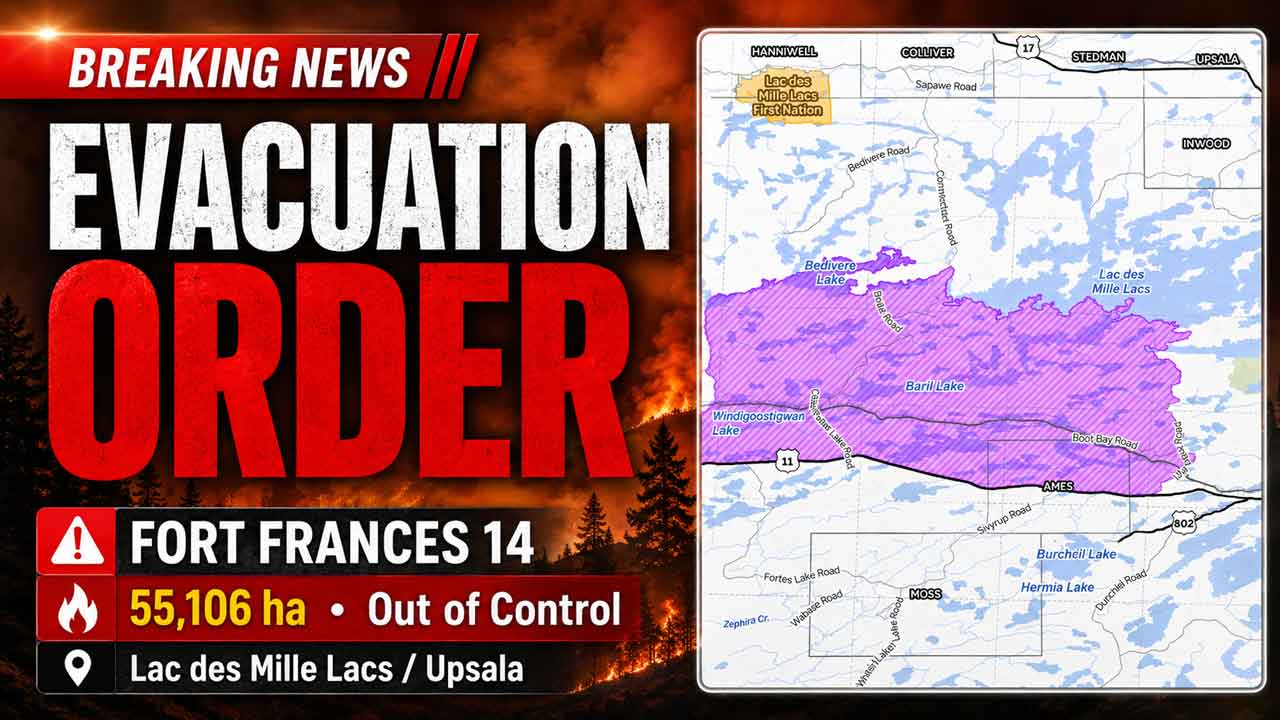
Updated Evacuation Information for Wildfire Fort Frances 14 (July 17 2026)
Environment
Updated Evacuation Information for Wildfire Fort Frances 14 (July 17 2026)
 Environment
A powerful movement of healing arrives at Delta’s Discovery Centre
Environment
A powerful movement of healing arrives at Delta’s Discovery Centre
 Environment
Port Coquitlam mayor launches program that removes graffiti on public property within 48 hours
Environment
Port Coquitlam mayor launches program that removes graffiti on public property within 48 hours
 Environment
EU Excludes Soybean Seed from Deforestation Rules
Environment
EU Excludes Soybean Seed from Deforestation Rules
 Environment
Metro Vancouver issues air quality warning as wildfire smoke drifts in
Environment
Metro Vancouver issues air quality warning as wildfire smoke drifts in
More Local Coverage
Latest news Business
AI Market Trends: Q2 2026 Review and Forecast
Business
AI Market Trends: Q2 2026 Review and Forecast
 Politics
Powerful pro-life ad featuring boxing legend to air during final World Cup matches
Politics
Powerful pro-life ad featuring boxing legend to air during final World Cup matches