

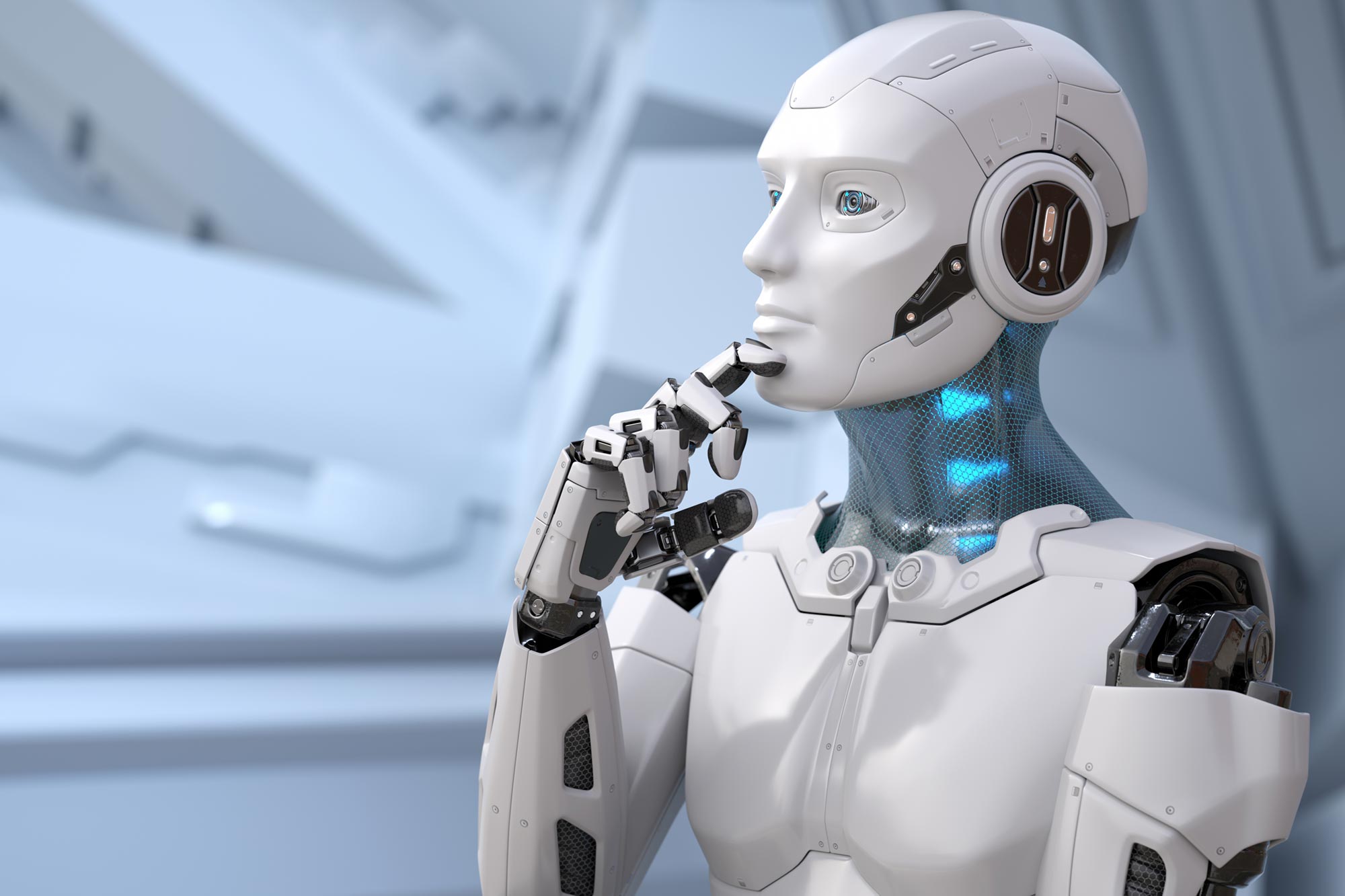
A reverse prediction test suggests that supposedly brainlike AI models may rely on visual strategies the primate brain does not use. Artificial intelligence can sometimes predict how the brain responds when people recognize objects. But that resemblance may hide an important weakness: the internal workings of today’s vision models do not necessarily match the processes [...]
A reverse prediction test suggests that supposedly brainlike AI models may rely on visual strategies the primate brain does not use. Artificial intelligence can sometimes predict how the brain responds when people recognize objects. But that resemblance may hide an important weakness: the internal workings of today’s vision models do not necessarily match the processes used by a primate brain.
Over the past decade, artificial neural networks (ANNs), computer models designed for visual tasks, have become some of the leading tools for explaining how the brain processes sight. York University researchers wanted to determine whether these systems truly operate like biological vision. “Artificial intelligence systems are often described as ‘brain-like’ because they can predict activity in parts of the brain that help us recognize objects,” says York University Assistant Professor Kohitij Kar, senior
Source and reference
author of a new study. “Until now, scientists mostly tested this in one direction. They asked whether AI models can predict brain activity.” The researchers reversed that familiar test. If AI genuinely reflects the brain, they reasoned, then recorded brain activity should also predict the model’s internal responses. To examine this possibility, they developed a reverse predictivity test. “Ultimately, we need computational models to truly understand the underlying neural mechanisms of how we recognize objects. How do we see objects move? While it’s a very easy task that we do every day, computationally, though, it’s a very challenging problem,” says Kar, the Canada Research Chair in Visual Neuroscience and a member of York’s Centre for Vision Research and Centre for Integrative and Applied Neuroscience. A reverse test challenges brainlike AI The researchers, including York...
Read original source- Published
- Jul 17, 2026
- Updated
- Jul 17, 2026
- Source
- Scitechdaily
- Category
- Canada
- Read time
- 3 min
Key facts
Why this matters locally
This canada story matters locally because it may affect readers, businesses, commuters, families, or public services in British Columbia.
Local impact
BC Post links this item to British Columbia coverage so readers can follow related city updates, weather, traffic, events, and category news in one place.
Timeline
Source and credit
BC Post may summarize, organize, and add local context for reader clarity. Original reporting remains with the listed publisher.
Related Articles
View all Canada
Port of Vancouver expansion project referred to Canada’s Major Projects Office
Canada
Port of Vancouver expansion project referred to Canada’s Major Projects Office
 Canada
Wildfires tick up as lightning flickers across southern B.C.
Canada
Wildfires tick up as lightning flickers across southern B.C.
 Canada
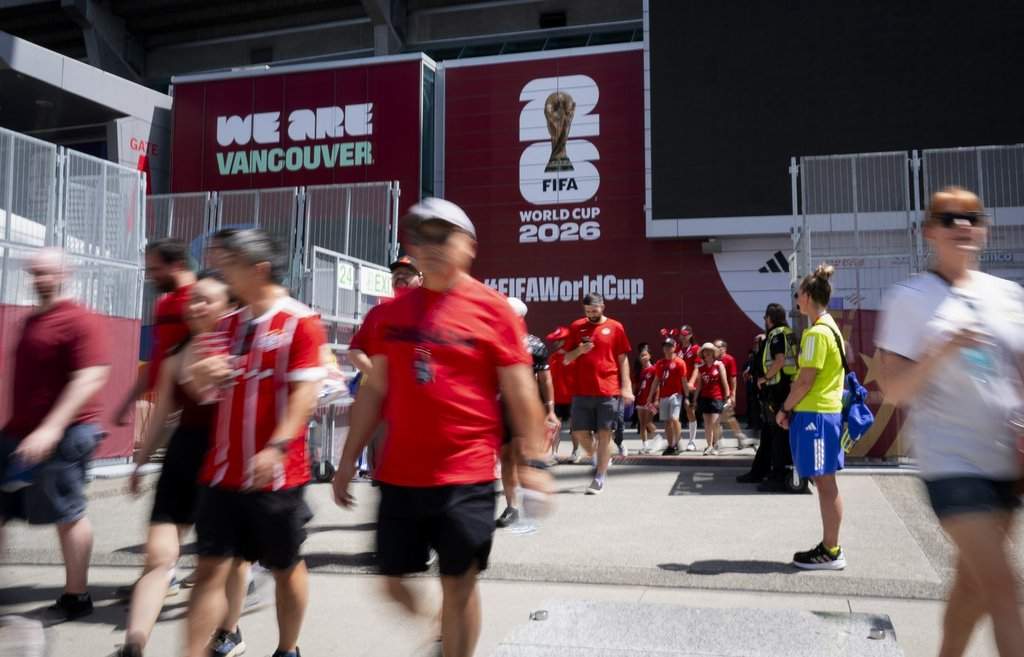
Vancouver working to avoid ‘the great sigh’ following FIFA World Cup excitement
Canada
Vancouver working to avoid ‘the great sigh’ following FIFA World Cup excitement
More Local Coverage
Latest news Politics
Powerful pro-life ad featuring boxing legend to air during final World Cup matches
Politics
Powerful pro-life ad featuring boxing legend to air during final World Cup matches
 Local News
Cowichan sports shorts: rugby, hockey, biking
Local News
Cowichan sports shorts: rugby, hockey, biking
 Top Stories
Yukon minerals work still under review despite federal announcement
Top Stories
Yukon minerals work still under review despite federal announcement