

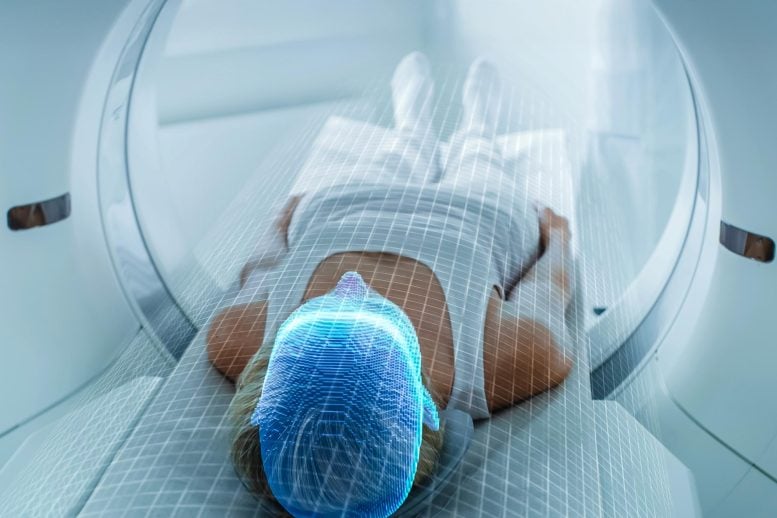
A negative scan does not always mean recurrent prostate cancer is nowhere to be found. Sometimes, the disease may simply be too small or too faint to appear yet. New research suggests that repeating a PSMA PET scan later can reveal cancer that was missed the first time. Among patients with rising prostate-specific antigen (PSA) [...]
A negative scan does not always mean recurrent prostate cancer is nowhere to be found. Sometimes, the disease may simply be too small or too faint to appear yet. New research suggests that repeating a PSMA PET scan later can reveal cancer that was missed the first time.
Among patients with rising prostate-specific antigen (PSA) levels but no visible disease on their initial scan, a second test detected cancer in 56 percent of cases. The results changed treatment plans for nearly half of the patients. The findings were published in the July issue of The
Source and reference
Journal of Nuclear Medicine. Prostate cancer can return after surgery or radiation therapy without immediately producing symptoms or a tumor that doctors can see. Instead, the first warning may be a rising PSA level in the blood, a situation known as biochemical recurrence. The increase suggests that prostate cells remain somewhere in the body, but it does not reveal their location. This can make treatment decisions difficult. Doctors may need to determine whether the cancer is confined to the area where it began, has reached nearby lymph nodes, or has spread to distant organs. Each pattern can require a different strategy. PSMA PET imaging is designed to help solve that problem. A radioactive tracer attaches to prostate-specific membrane antigen, a protein often found at high levels on prostate cancer cells. The scan then highlights areas where the tracer accumulates, potentially...
Read original source- Published
- Jul 17, 2026
- Updated
- Jul 17, 2026
- Source
- Scitechdaily
- Category
- Health
- Read time
- 3 min
Key facts
Why this matters locally
This health story matters locally because it may affect readers, businesses, commuters, families, or public services in British Columbia.
Local impact
BC Post links this item to British Columbia coverage so readers can follow related city updates, weather, traffic, events, and category news in one place.
Timeline
Source and credit
BC Post may summarize, organize, and add local context for reader clarity. Original reporting remains with the listed publisher.
Related Articles
View all Health
Provation Expands Global Footprint with Launch of Provation® Apex in Australia and New Zealand
Health
Provation Expands Global Footprint with Launch of Provation® Apex in Australia and New Zealand
 Health
The Surprising Cellular Benefit of the Pigment Behind Red Hair
Health
The Surprising Cellular Benefit of the Pigment Behind Red Hair
 Health
Coffee May Protect the Liver in More Ways Than Scientists Realized
Health
Coffee May Protect the Liver in More Ways Than Scientists Realized
 Health
Study ties some birth control to brain tumours, but risks ‘rare’: experts
Health
Study ties some birth control to brain tumours, but risks ‘rare’: experts
 Health
Neuroscientists find a teamwork paradox: highly synchronized brains perform worse at complex tasks
Health
Neuroscientists find a teamwork paradox: highly synchronized brains perform worse at complex tasks
More Local Coverage
Latest news Business
AI Market Trends: Q2 2026 Review and Forecast
Business
AI Market Trends: Q2 2026 Review and Forecast
 Politics
Powerful pro-life ad featuring boxing legend to air during final World Cup matches
Politics
Powerful pro-life ad featuring boxing legend to air during final World Cup matches