

South Koreas benchmark KOSPI index briefly triggered a trading curb on Monday after tumbling more than 5%, as heavy selling in major technology and semiconductor stocks rattled Asian markets. The sharp decline reflected...
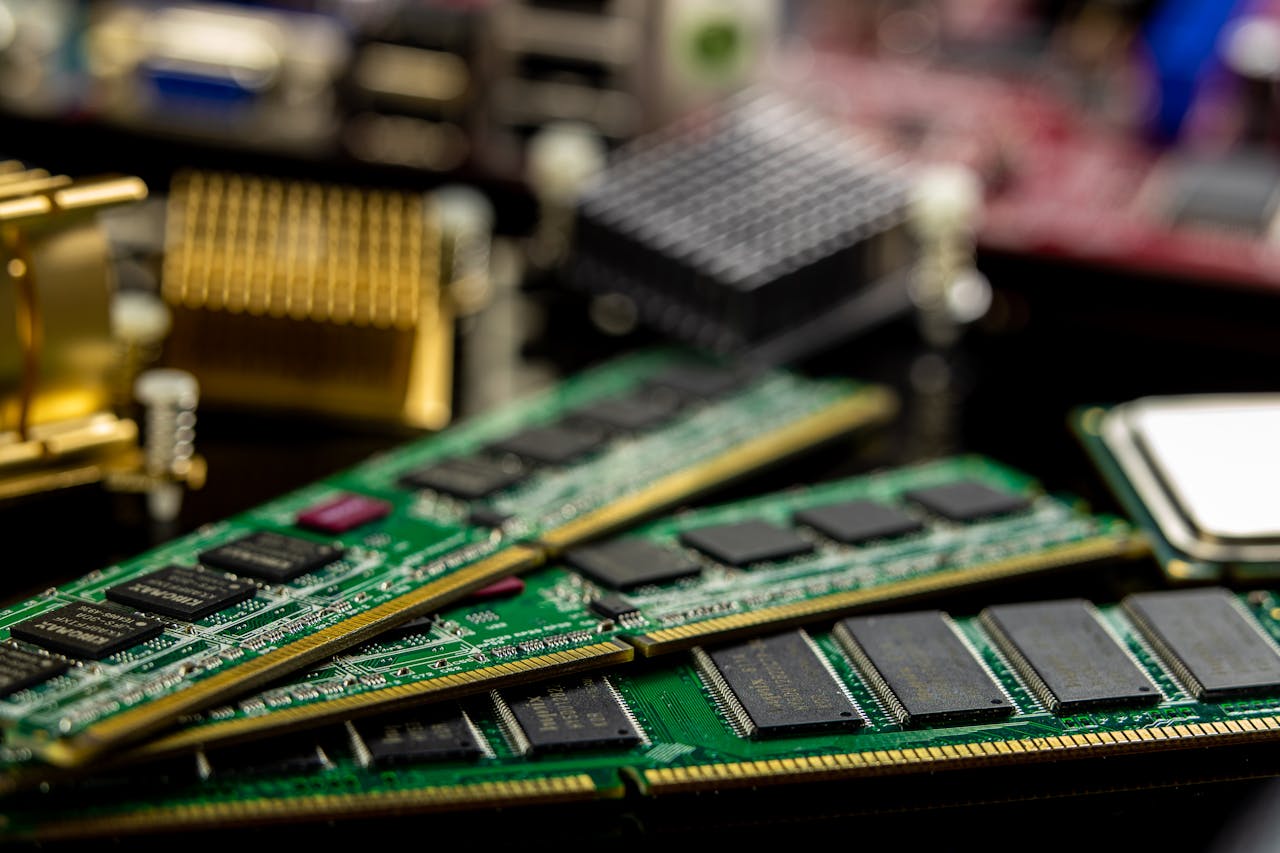
South Korea’s benchmark KOSPI index briefly triggered a trading curb on Monday after tumbling more than 5%, as heavy selling in major technology and semiconductor stocks rattled Asian markets. The sharp decline reflected growing investor concerns over AI-related valuations, chip earnings, and whether massive spending on artificial intelligence infrastructure will deliver sustainable returns. The KOSPI fell as much as 5.2% during trading, prompting a temporary market halt designed to curb excessive volatility.
The selloff was led by the country’s largest technology companies, with SK Hynix plunging nearly 10% to 1,964,000 won. Samsung Electronics dropped more than 6% after its recent earnings report disappointed investors, reinforcing doubts about whether memory chip profits can keep pace with the industry’s aggressive AI investment cycle. LG Innotek also declined more than 8%, adding to pressure on the broader technology sector.
The weakness quickly spread across Asia’s semiconductor supply chain. In Japan, Kioxia Holdings fell nearly 9%, while Murata Manufacturing lost almost 6% and TDK Corp slipped around 5%. In contrast, Taiwan Semiconductor Manufacturing Co. (TSMC) and Foxconn Technology remained relatively stable, trading little changed despite the broader market turmoil.
The latest decline extends a period of heightened volatility for Asian semiconductor and AI-related stocks following Samsung Electronics’ preliminary earnings announcement. Investors have become increasingly cautious after months of strong gains, questioning whether the billions of dollars being invested by major cloud providers and technology companies into AI infrastructure will ultimately translate into stronger earnings and long-term profitability. The market reaction highlights growing concerns that AI-driven optimism may have outpaced near-term financial performance, particularly for semiconductor companies facing rising capital expenditures.
As investors reassess earnings expectations and valuation levels, technology stocks across Asia could remain under pressure, with semiconductor shares likely to stay at the center of market attention in the coming weeks.
- Published
- Jul 12, 2026
- Updated
- Jul 12, 2026
- Source
- Econotimes
- Category
- Business
- Read time
- 1 min
Key facts
Why this matters locally
This business story matters locally because it may affect readers, businesses, commuters, families, or public services in British Columbia.
Local impact
BC Post links this item to British Columbia coverage so readers can follow related city updates, weather, traffic, events, and category news in one place.
Timeline
Source and credit
BC Post may summarize, organize, and add local context for reader clarity. Original reporting remains with the listed publisher.
Related Articles
View all Business
AI Market Trends: Q2 2026 Review and Forecast
Business
AI Market Trends: Q2 2026 Review and Forecast
 Business
Starchuk seeking judicial review of Surrey arena land-swap
Business
Starchuk seeking judicial review of Surrey arena land-swap
 Business
B.C.'s Massey Tunnel replacement doubles in cost to estimated $8.5 billion
Business
B.C.'s Massey Tunnel replacement doubles in cost to estimated $8.5 billion
 Business
This is the design of Coquitlam's new aquatic and community centre on the Fraser River
Business
This is the design of Coquitlam's new aquatic and community centre on the Fraser River
 Business
Earth Angel Worldwide Expands Its Mission Through Music, Education and Environmental Stewardship
Business
Earth Angel Worldwide Expands Its Mission Through Music, Education and Environmental Stewardship
More Local Coverage
Latest news Politics
Powerful pro-life ad featuring boxing legend to air during final World Cup matches
Politics
Powerful pro-life ad featuring boxing legend to air during final World Cup matches
 Local News
Cowichan sports shorts: rugby, hockey, biking
Local News
Cowichan sports shorts: rugby, hockey, biking