


Common Sense Health: Kidney stones send thousands of people into severe distress each year
Article content Some medical tests involve long waits to see a specialist. But one of them is as simple as looking in the toilet before you flush. Is your urine pale straw-yellow, like the look of light lemonade?
Or is it dark yellow? Clear or cloudy? What you see is an indicator of your risk for kidney stones.
And it’s the summer heat that can bring on the trouble. Every summer, as temperatures climb, emergency room visits for kidney stones increase. The problem receives far less attention than sunburns or heat stroke, yet kidney stones send thousands of people into severe distress each year.
Recommended Videos A sharp, unbearable pain begins in your back or side. It doesn’t stay still. It comes in waves, tightening and releasing, often radiating toward the groin.
Nausea follows. Sometimes vomiting. Many people describe it as the worst pain they have ever experienced.
This is renal colic – a kidney stone making its way through the urinary tract. The connection between summer heat and kidney stones is not complicated. It is, in fact, almost mechanical.
Your kidneys depend on adequate water to dilute waste products in the urine. When you are well hydrated, minerals such as calcium, oxalate, and uric acid remain dissolved and pass harmlessly out of the body. But in hot weather, especially when you are active outdoors, you lose large amounts of fluid through sweat.
If you do not replace it, urine output drops and becomes more concentrated. Think of it as taking a clear solution and slowly evaporating the water. Eventually, crystals begin to form.
Those crystals are the seeds of kidney stones. Once formed, stones may stay quiet for a time. But when they begin to move, the pain is anything but easy.
While anyone can develop a kidney stone, certain groups are more vulnerable in hot weather. Older adults often have a reduced sense of thirst. Outdoor workers and athletes lose fluid through sweat.
People with a history of kidney stones can expect them again. Medications can affect hydration. If you choose alcohol or sugary drinks over water during the heat of the day, beware.
One of the most common misconceptions is that thirst is a reliable guide. But by the time you feel thirsty, you are already behind. Another myth is that high doses of vitamin C can be the culprit.
In fact, C increases urine flow, results in a slightly acidic urine, and prevents calcium from binding to oxalate, causing calcium oxalate stones, the most common type of kidney stone. Due to heredity, some people absorb more calcium from food, causing a high concentration of urinary calcium. But high salt intake is more frequently associated with increased stone formation.
Obesity, diabetes, and recurrent urinary tract infections are also risk factors. Pain, however, is nature’s most persuasive teacher. As people who have experienced the sudden, severe, and fluctuating agony of a stone moving in the ureter will attest, they don’t want to experience it again.
Fortunately, for most people, kidney stone prevention is remarkably straightforward. Drink enough fluid to keep your urine pale yellow. That’s it.
Water is best. Not coffee, not sugary soft drinks, not alcohol. In fact, frequent consumption of sugar-sweetened beverages has been associated with a higher risk of kidney stone formation.
Do people learn, even with such a simple prevention? Sadly, the answer should come as no surprise. If no effort is made, about half of sufferers will face another stone within five to 10 years.
So, use the toilet bowl test and make it a routine to drink replacement water regularly throughout the day. During hot weather, the requirement increases. This column offers opinions on health and wellness, not personal medical advice.
Visit www.docgiff.com to learn more. For comments, diana@docgiff.com.
- Published
- Jul 11, 2026
- Updated
- Jul 12, 2026
- Source
- Thesudburystar
- Category
- Top
- Read time
- 3 min
Key facts
Why this matters locally
This top story matters locally because it may affect readers, businesses, commuters, families, or public services in British Columbia.
Local impact
BC Post links this item to British Columbia coverage so readers can follow related city updates, weather, traffic, events, and category news in one place.
Timeline
Source and credit
BC Post may summarize, organize, and add local context for reader clarity. Original reporting remains with the listed publisher.
Related Articles
View all Top
‘Entire city’ asked to help search for missing 11-year-old Parker: Calgary police
Top
‘Entire city’ asked to help search for missing 11-year-old Parker: Calgary police
 Top
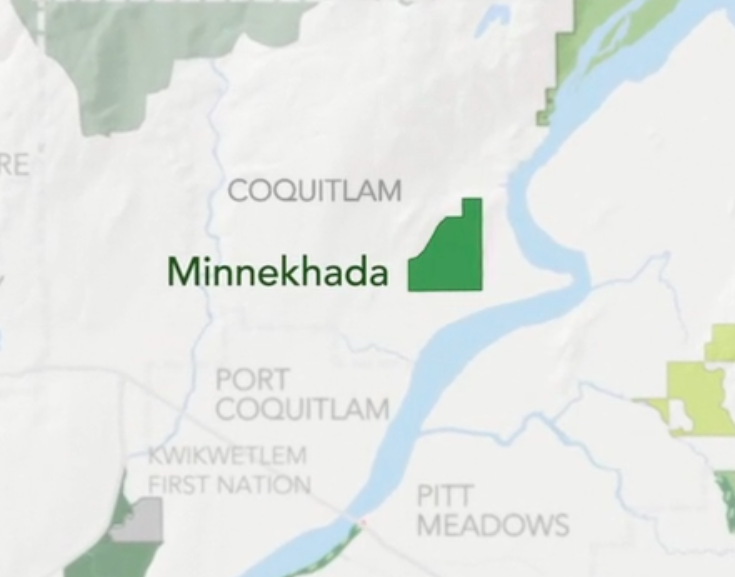
Metro Vancouver land acquisition adds to Minnekhada Regional Park
Top
Metro Vancouver land acquisition adds to Minnekhada Regional Park
 Top
Rock the Lake celebrated its ninth year at Prospera Place this past weekend
Top
Rock the Lake celebrated its ninth year at Prospera Place this past weekend
 Top
Million-dollar contract awarded for Surrey Sport & Leisure Complex renos
Top
Million-dollar contract awarded for Surrey Sport & Leisure Complex renos
 Top
Loop Industries earnings missed by $0.02, revenue fell short of estimates
Top
Loop Industries earnings missed by $0.02, revenue fell short of estimates
 Top
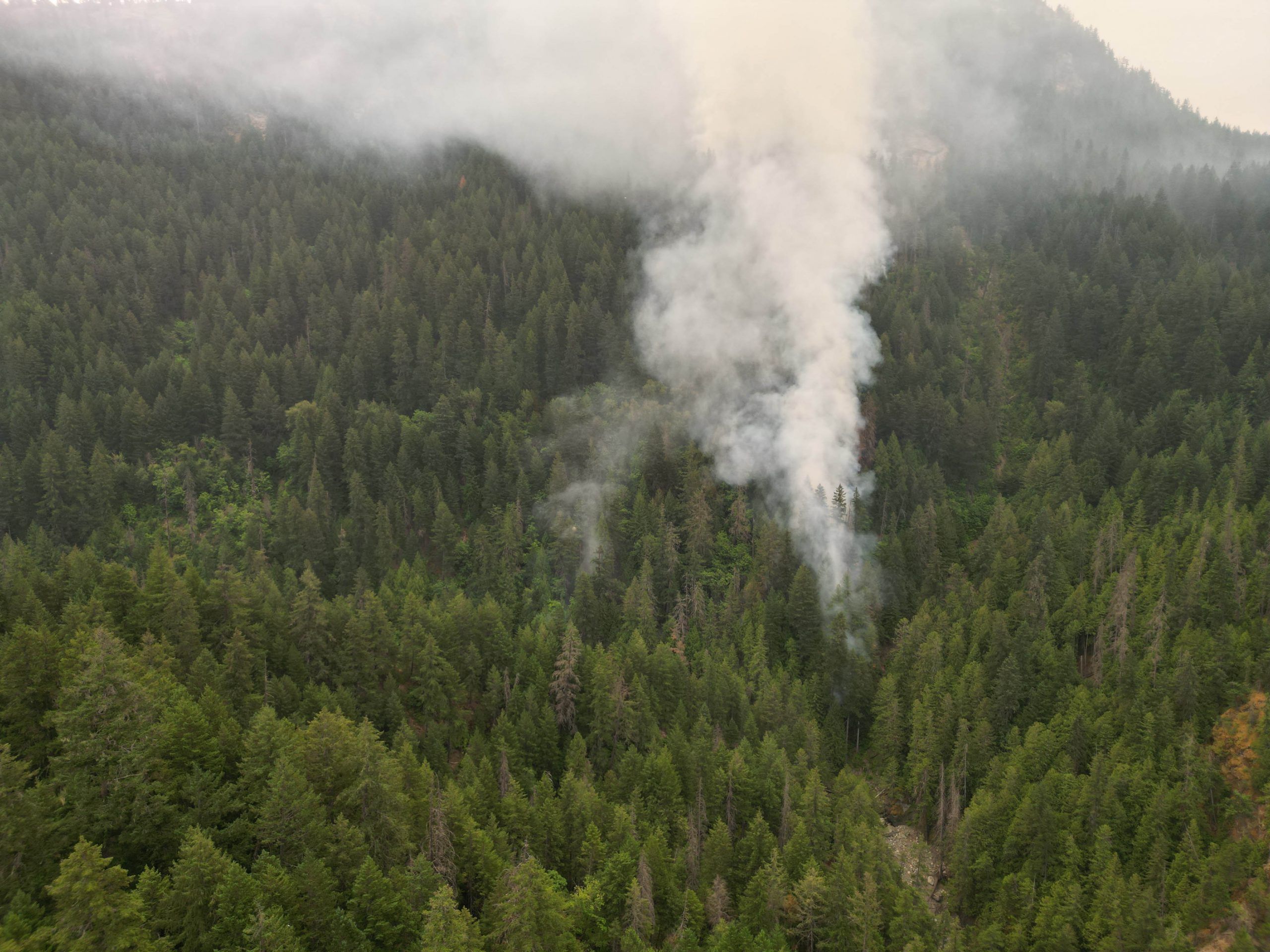
Brunswick Creek wildfire grows, leads to air quality warning in east Fraser Valley
Top
Brunswick Creek wildfire grows, leads to air quality warning in east Fraser Valley
More Local Coverage
Latest news Business
AI Market Trends: Q2 2026 Review and Forecast
Business
AI Market Trends: Q2 2026 Review and Forecast
 Politics
Powerful pro-life ad featuring boxing legend to air during final World Cup matches
Politics
Powerful pro-life ad featuring boxing legend to air during final World Cup matches
 Politics
Traditional Catholic response to Cupich’s suicide distortion
Politics
Traditional Catholic response to Cupich’s suicide distortion