

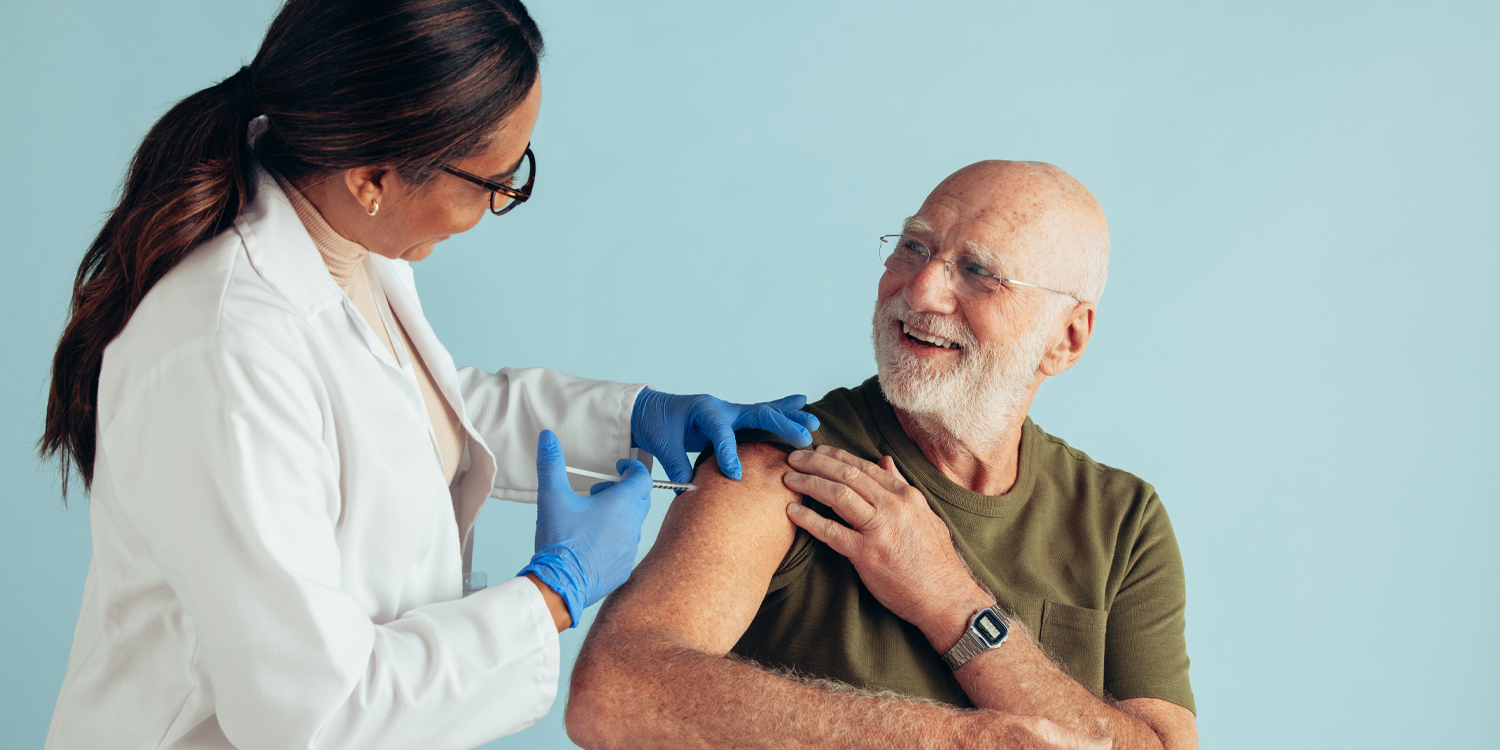
Severe infections can trigger widespread inflammation that damages the aging brain. Now, a wave of large-scale studies suggests that routine adult vaccinations could act as a protective shield, lowering the risk of dementia and Alzheimer's disease.
Routine immunizations against common viral and bacterial infections might offer an unexpected benefit by protecting the brain from cognitive decline in old age. A growing body of scientific literature suggests that standard vaccinations are associated with a reduced risk of developing dementia and Alzheimer’s disease later in life. Protecting the Brain Through Immunization Dementia is a broad term for a severe decline in mental ability that interferes with daily life, and Alzheimer’s disease is its most common form.
This progressive condition gradually destroys memory and thinking skills as brain cells are damaged and eventually die. The exact biological triggers for this brain damage remain a topic of intense scientific investigation. Medical professionals have observed a link between severe infectious diseases and cognitive decline for quite some time.
Severe infections cause widespread inflammation throughout the entire body. This persistent state of heightened alert can compromise the blood-brain barrier, which is a tight layer of cells that normally protects the brain from toxins and pathogens circulating in the bloodstream. When this protective barrier breaks down, harmful proteins and inflammatory immune cells can enter the delicate brain tissue.
This infiltration promotes a state of chronic immune activation inside the brain, known as neuroinflammation. Such an environment is known to play a major role in the destruction of brain cells seen in dementia patients. Because of this biological pathway, scientists have been investigating whether preventing infections might also protect the brain.
Vaccines are designed to stop or lessen the severity of infections. By doing so, they might reduce the overall inflammatory burden on the body and help maintain the integrity of the blood-brain barrier. Scientists are also exploring the idea that vaccines, particularly live-attenuated vaccines, might offer broader health benefits than just preventing their specific target diseases.
Live vaccines contain a weakened, harmless form of a virus. These formulations stimulate a very strong response from the body’s innate immune system. This general immune boost might train the body to better regulate inflammation as we age.
This concept is known in the medical field as trained immunity. A stronger, more refined immune system could potentially protect against various age-related chronic diseases, including conditions that degrade cognitive health. Routine Vaccinations and Alzheimer’s Risk To investigate these theories, a research team analyzed a massive database of health insurance records from a company called Optum.
Their study was published on September 12, 2023, in the
Source and reference
Journal of Alzheimer’s Disease . The researchers looked at anonymized medical records spanning from 2009 to 2019, focusing on adults aged 65 and older. The scientists excluded anyone who already had a diagnosis of dementia or mild memory problems before the study officially began. They then tracked who received routine vaccinations for tetanus and diphtheria, shingles, or pneumonia. They compared the health outcomes of these vaccinated individuals against unvaccinated individuals over an eight-year follow-up period. To ensure a fair comparison, the researchers used a statistical technique called propensity score matching. This method balances out differences between people who choose to get vaccinated and those who do not. The researchers matched individuals based on age, sex, geographic region, pre-existing health conditions, and even the number of routine doctor visits. The...
Read original source- Published
- Jul 15, 2026
- Updated
- Jul 15, 2026
- Source
- Psypost - Psychology News
- Category
- Health
- Read time
- 14 min
Key facts
Why this matters locally
This health story matters locally because it may affect readers, businesses, commuters, families, or public services in British Columbia.
Local impact
BC Post links this item to British Columbia coverage so readers can follow related city updates, weather, traffic, events, and category news in one place.
Timeline
Source and credit
BC Post may summarize, organize, and add local context for reader clarity. Original reporting remains with the listed publisher.
Related Articles
View all Health
Provation Expands Global Footprint with Launch of Provation® Apex in Australia and New Zealand
Health
Provation Expands Global Footprint with Launch of Provation® Apex in Australia and New Zealand
 Health
The Surprising Cellular Benefit of the Pigment Behind Red Hair
Health
The Surprising Cellular Benefit of the Pigment Behind Red Hair
 Health
Coffee May Protect the Liver in More Ways Than Scientists Realized
Health
Coffee May Protect the Liver in More Ways Than Scientists Realized
 Health
Neuroscientists find a teamwork paradox: highly synchronized brains perform worse at complex tasks
Health
Neuroscientists find a teamwork paradox: highly synchronized brains perform worse at complex tasks
 Health
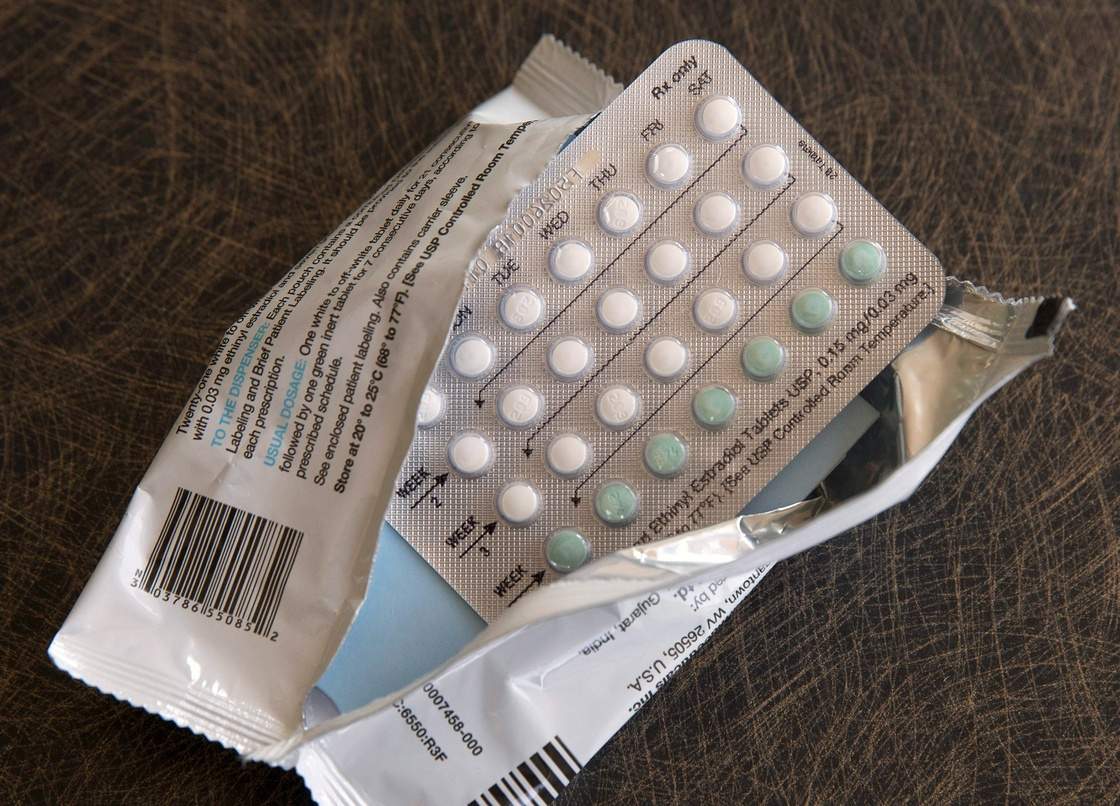
Study ties some birth control to brain tumours, but risks ‘rare’: experts
Health
Study ties some birth control to brain tumours, but risks ‘rare’: experts
More Local Coverage
Latest news Business
AI Market Trends: Q2 2026 Review and Forecast
Business
AI Market Trends: Q2 2026 Review and Forecast
 Politics
Powerful pro-life ad featuring boxing legend to air during final World Cup matches
Politics
Powerful pro-life ad featuring boxing legend to air during final World Cup matches