


The council granted residents freedom to install air conditioning units ahead of the maximum temperature bylaw, but acquiring cooling devices remains a challenge for many.
As some Ontarians prepare for another heat wave, a new Toronto bylaw has given residents the right to cool their homes starting this summer. As of July 1, the Toronto council decision took effect, allowing tenants to install air conditioning units without consulting their landlords. The motion passed by a 23-to-1 vote, after being brought to city council on June 25 by Coun.
Alejandra Bravo. The bylaw will provide “a crucial line of defense and of protection,” Bravo said. The motion came as Toronto endured a heat wave that brought maximum temperatures of 34 degrees Celsius, with a humidex between 40 and 44 degrees.
It also coincided with the last day of the fifth anniversary of the BC heat dome, where 619 people died from extreme indoor heat. The decision also set a deadline to create and review an implementation plan for a maximum indoor temperature bylaw by June 2027. In addition, councillors requested that the Government of Ontario amend the Residential Tenancies Act to prohibit excessive rent increases as a result of any financial costs landlords face when adhering to the coming bylaw.
But with the maximum temperature bylaw still a year away, one immediate solution — the Air Conditioner Assistance Program — is unable to service everyone in need, despite being doubled this year. High demand is overloading the available supply of air conditioning units. That will leave some people who are unable to afford such devices to cope with the heat.
The Ontario Electricity Support Program (OESP), a government-funded support for eligible individuals to receive a credit to reduce their utility bills, is another option for some. But those ineligible for either program (or both) may have to wait until next summer — when the maximum temperature bylaw is expected to be finalized — for relief. Rose Marie, chair of Small Ownership Landlords of Ontario is concerned about the extra costs that could be incurred by landlords as a result of a maximum temperature bylaw.
While Marie said she sees the necessity for laws ensuring access to cool homes, she does not think it would be fair to put the financial burden on landlords alone. “I believe that if everyone can be cool and comfortable, it would be so much easier [to live], but there’s more to this,” said Marie. If there are steps required to provide cooling to tenants that could bring about high costs, like retrofitting an old building, she believes laws designed by city councillors should include plans for providing funds to landlords.
Environment and Climate Change Canada said that since 1948, the number of days that weather stations across provinces recorded extreme heat has increased by 60 per cent annually. Toronto Coun. Shelley Carroll said that the BC heat dome is a reminder of the necessity to prevent risks of heat-related illnesses and death.
Ausma Malik, Toronto's deputy mayor, said that the creation of this bylaw will be “unquestionable in its effectiveness” for creating rules to protect Toronto from worsening climate. Vulnerable communities remain at risk Harper Jean Tobin, community resiliency project director at Toronto’s community centre, The 519, serves the unhoused, 2SLGBTQ+, newcomers and other marginalized individuals. Tobin said these community members are disproportionately affected by climate change because of mental or physical health concerns, financial and social disparities.
“Talking to folks who are really struggling with multiple health conditions — difficulty getting around, living alone — you really see how vulnerable people can be. You start to think about your neighbours, your loved ones, maybe yourself — not wanting to become statistics, to end up in the ER, or worse,” she said. According to Tobin, it is common for vulnerable community members to come to The 519 seeking housing support and a cool space to rest.
The community centre offers in-house educational support and provides public outreach initiatives with the Red Cross around how people can protect themselves from heat illnesses. Before the city council developments took effect, Bravo said many Toronto tenants faced pushback from their landlords when planning to install air conditioners. Although cooling centres provide refuge for people who do not have access to a temperature-controlled home, Sarah Henderson of the BC Centre for Disease Control said the most vulnerable people are less likely to visit them due to physical and mental roadblocks.
Her research into the BC heat dome says the people most at risk are actually those with schizophrenia, other mental health and physical disabilities, whose “ability to respond” to heat is compromised. “There’s really no substitute for having the place where you live and sleep be a safe temperature,” Tobin said. Part of the bylaw under review is a restriction on landlords increasing rent after retrofitting a building, redoing wiring or purchasing cooling units.
In this way, Bravo has ensured city council prioritizes protecting tenants. For now, the plan is to meet deadlines for making sure the bylaw gets finalized next summer.
- Published
- Jul 14, 2026
- Updated
- Jul 14, 2026
- Source
- Canada’s National Observer
- Category
- Environment
- Read time
- 4 min
Key facts
Why this matters locally
This environment story matters locally because it may affect readers, businesses, commuters, families, or public services in British Columbia.
Local impact
BC Post links this item to British Columbia coverage so readers can follow related city updates, weather, traffic, events, and category news in one place.
Timeline
Source and credit
BC Post may summarize, organize, and add local context for reader clarity. Original reporting remains with the listed publisher.
Related Articles
View all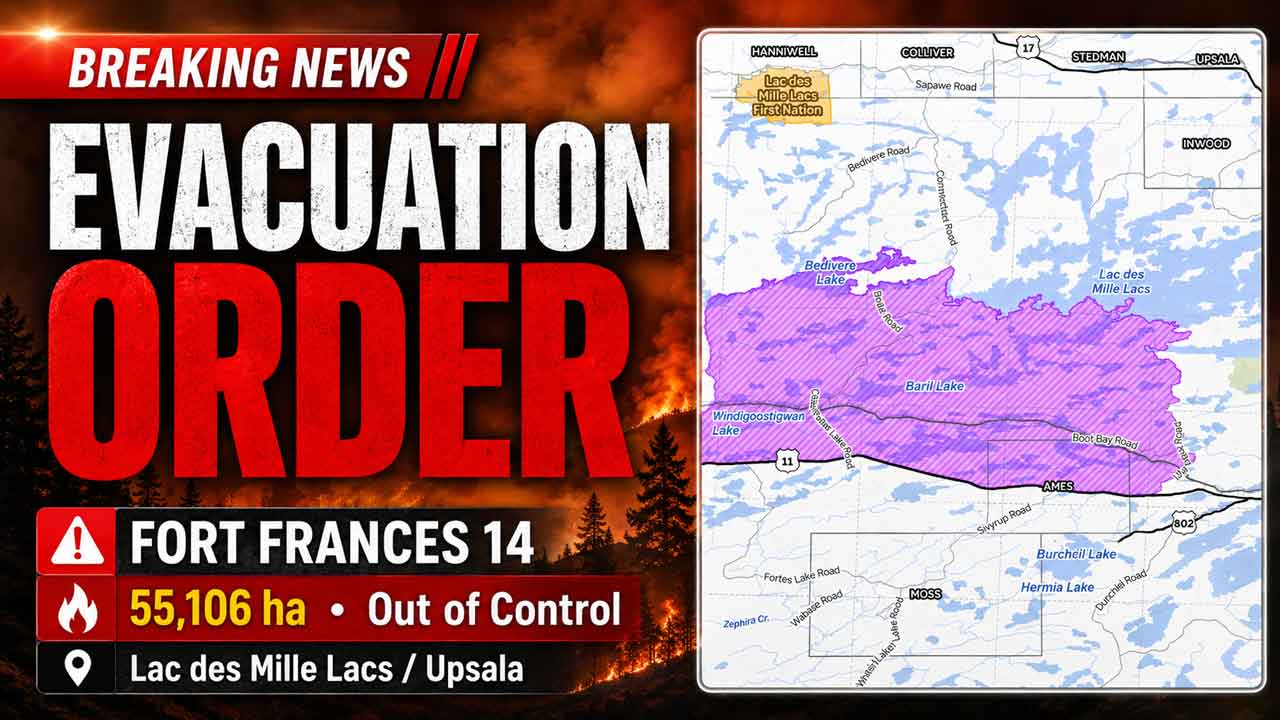 Environment
Updated Evacuation Information for Wildfire Fort Frances 14 (July 17 2026)
Environment
Updated Evacuation Information for Wildfire Fort Frances 14 (July 17 2026)
 Environment
50-hectare wildfire burns between Clearwater and 100 Mile House
Environment
50-hectare wildfire burns between Clearwater and 100 Mile House
 Environment
2 wildfires north of Anahim Lake currently out-of-control
Environment
2 wildfires north of Anahim Lake currently out-of-control
 Environment
A powerful movement of healing arrives at Delta’s Discovery Centre
Environment
A powerful movement of healing arrives at Delta’s Discovery Centre
 Environment
Port Coquitlam mayor launches program that removes graffiti on public property within 48 hours
Environment
Port Coquitlam mayor launches program that removes graffiti on public property within 48 hours
 Environment
'Fending for ourselves' after Manitoba wildfire forces evacuation: O-Pipon-Na-Piwin leaders
Environment
'Fending for ourselves' after Manitoba wildfire forces evacuation: O-Pipon-Na-Piwin leaders
More Local Coverage
Latest news Business
AI Market Trends: Q2 2026 Review and Forecast
Business
AI Market Trends: Q2 2026 Review and Forecast
 Politics
Powerful pro-life ad featuring boxing legend to air during final World Cup matches
Politics
Powerful pro-life ad featuring boxing legend to air during final World Cup matches
 Politics
Traditional Catholic response to Cupich’s suicide distortion
Politics
Traditional Catholic response to Cupich’s suicide distortion