


A 60-point gap split the assessors - and the higher rating didn't survive the Guides
An Ontario tribunal has dismissed a catastrophic impairment claim against Wawanesa, finding the applicant's assessors did not follow the rating methodology the Guides require. The Licence Appeal Tribunal released its decision on July 2, 2026, following a videoconference hearing held February 9 and 10, 2026. It stems from an automobile accident on May 8, 2019, after which the applicant sought statutory accident benefits under the Statutory Accident Benefits Schedule.
Wawanesa Mutual Insurance Company denied the benefits, and the applicant applied to the Tribunal to resolve the dispute. At issue was whether the applicant was catastrophically impaired and entitled to interest. The claim ran through three separate criteria, and the distance between the two sides was striking.
The applicant's assessors rated her physical whole person impairment at 65 per cent. Wawanesa's assessors put it at 5 per cent. Criterion 6 requires a score of 55 per cent or more whole person impairment under the American Medical Association's Guides to the Evaluation of Permanent Impairment, 4th edition.
The adjudicator worked through each disputed body region and found no ratable impairment in any of them. For the cervical spine, both the applicant's and the insurer's experts agreed the neck pain stemmed from a degenerative condition, not the accident, so causation was not established. The adjudicator gave more weight to an in-person examination of the lumbar spine than to a competing assessment conducted over Zoom, finding the in-person findings more reliable.
Methodology drove much of the outcome. The applicant's summary rated her medications at 5 per cent, but the adjudicator noted the highest allowable rating under that chapter is 3 per cent, making the figure impossible. A headache rating rested on a diagnosis by a chronic pain and anesthesia specialist who, the adjudicator found, lacked the credentials to diagnose neurological conditions such as post-traumatic headaches.
A 20 per cent sleep rating drew on a single Zoom examination without the thorough neurological assessment the Guides require. The scrutiny cut both ways. The adjudicator also rejected the insurer's headache rating, which a neurologist had reached "by analogy" - an approach the decision found the Guides do not permit.
A 30 per cent emotional and behavioural rating from the applicant's side was given no weight because no specific medical evidence was cited, and the severe impairment level chosen clashed with the applicant's own testimony about attending church, singing in a choir, and vacationing with a friend. Under Criterion 7, the applicant's summary contained no whole person impairment ratings under the required edition of the Guides, and even accepting the insurer's 10 per cent rating, the 55 per cent threshold was out of reach. Under Criterion 8, the adjudicator rated the applicant's activities of daily living and social functioning as mild impairments, short of the marked or extreme impairments the criterion demands.
The application was dismissed. Because no benefits were outstanding, the claim for interest failed as well. A separate award issue was struck at the outset after the applicant did not provide the required particulars - though the adjudicator found no bad faith - leaving the insurer unable to prepare a defence.
For claims professionals, the decision is a reminder that catastrophic impairment ratings live or die on the methodology behind them - and that a tribunal will hold both an applicant's assessors and an insurer's to the same standard.
- Published
- Jul 14, 2026
- Updated
- Jul 14, 2026
- Source
- Insurance Business
- Category
- Crime
- Read time
- 3 min
Key facts
Why this matters locally
This crime story matters locally because it may affect readers, businesses, commuters, families, or public services in British Columbia.
Local impact
BC Post links this item to British Columbia coverage so readers can follow related city updates, weather, traffic, events, and category news in one place.
Timeline
Source and credit
BC Post may summarize, organize, and add local context for reader clarity. Original reporting remains with the listed publisher.
Related Articles
View all Crime
Video shows rescue of lone survivor from deadly B.C. helicopter crash
Crime
Video shows rescue of lone survivor from deadly B.C. helicopter crash
 Crime
A dozen cats are missing after New Westminster apartment fire that displaced roughly 100 residents
Crime
A dozen cats are missing after New Westminster apartment fire that displaced roughly 100 residents
 Crime
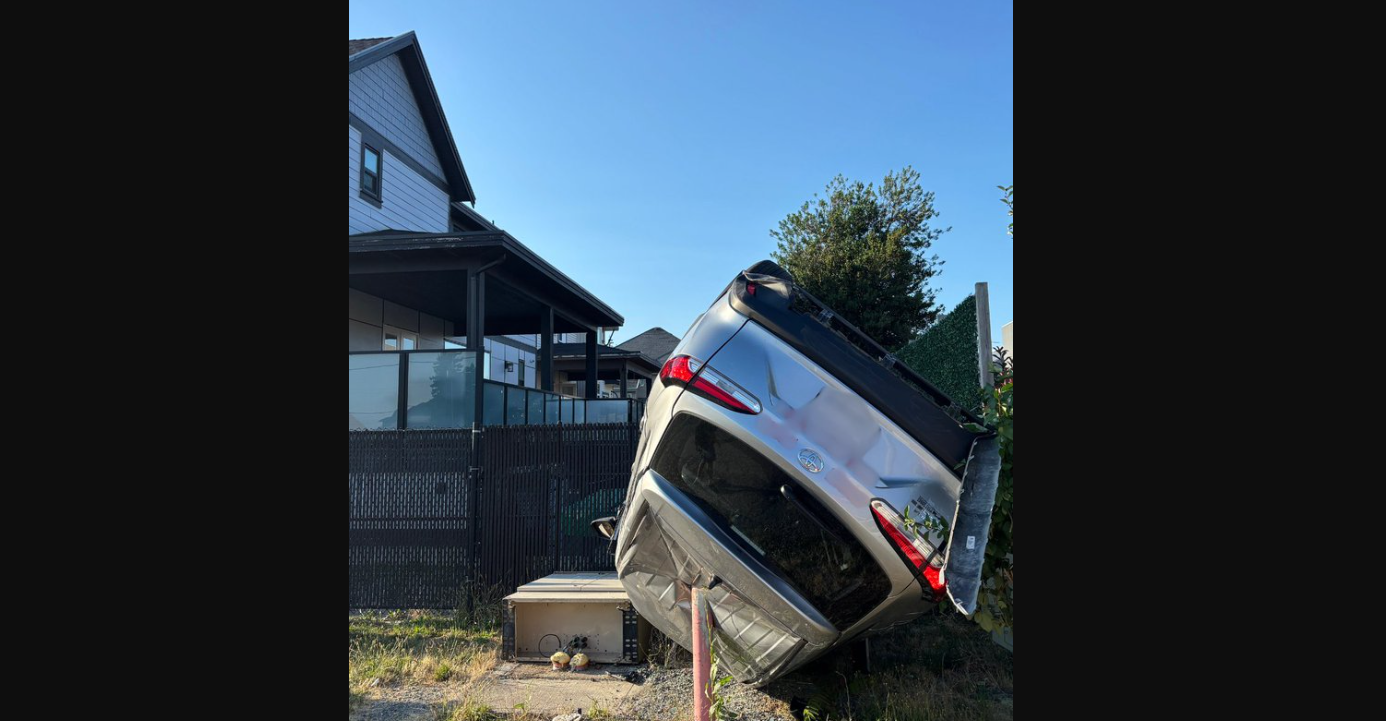
‘N’ driver involved in Abbotsford rollover crash, police say
Crime
‘N’ driver involved in Abbotsford rollover crash, police say
 Crime
B.C. seeks forfeiture of alleged gangster’s properties worth more than $6.2 million
Crime
B.C. seeks forfeiture of alleged gangster’s properties worth more than $6.2 million
 Crime
Langley woman pleads for break on $49K fines after felling 11 trees
Crime
Langley woman pleads for break on $49K fines after felling 11 trees
 Crime
Motorcycle impounded after new rider reaches ‘shocking speed’ on B.C. highway
Crime
Motorcycle impounded after new rider reaches ‘shocking speed’ on B.C. highway
More Local Coverage
Latest news Business
AI Market Trends: Q2 2026 Review and Forecast
Business
AI Market Trends: Q2 2026 Review and Forecast
 Politics
Powerful pro-life ad featuring boxing legend to air during final World Cup matches
Politics
Powerful pro-life ad featuring boxing legend to air during final World Cup matches