


To assess the footprint of in-person work, researchers generally compare it with the alternative: working from home. But that comparison is more complex than it may appear.
During the pandemic, many businesses and government bodies adopted remote work. In recent months, however, several organizations have reversed course, including the federal government, which now requires public servants to work in the office four days a week. What does this mean beyond fuel consumption alone?
To assess the footprint of in-person work, researchers generally compare it with the alternative: working from home. But that comparison is more complex than it may appear, cautions Samuel Leduc-Frenette, a PhD candidate in Earth sciences at the Institut national de la recherche scientifique (INRS). “One thing is certain: [...] if there is one science that is inexact, it is the science of calculating the carbon footprint of remote work and [in-person work].”
More gasoline — at first glance At first glance, returning to the office appears harmful to the environment. “Daily car use is a very significant component of the environmental footprint of a Québec household [...] and 70 per cent of people use their car to get to work,” said Cécile Bulle, a professor in the Department of Strategy, Social and Environmental Responsibility at UQAM’s School of Management and co-holder of the International Life Cycle Chair at the International
Source and reference
Reference Centre for the Life Cycle of Products, Processes and Services. A Statistics Canada study published in 2021 reached a similar conclusion: a shift to the full potential of working from home would reduce annual transportation-related greenhouse gas emissions by about 9.5 megatonnes of carbon dioxide equivalent, or 12.1 per cent of emissions attributable to transportation by Canadian households. But that calculation accounts only for commuting — travel between home and the office. Samuel Leduc-Frenette urges people to look beyond that: remote work also produces “rebound effects.” Remote workers are more likely to settle farther from urban centres — or even to “work from the cottage.” Once established in more isolated areas, they find it harder to combine trips and make more journeys for personal activities. A study published in the journal Energy and Buildings in 2020 found...
Read original source- Published
- Jul 15, 2026
- Updated
- Jul 15, 2026
- Source
- Canada’s National Observer
- Category
- Environment
- Read time
- 4 min
Key facts
Why this matters locally
This environment story matters locally because it may affect readers, businesses, commuters, families, or public services in British Columbia.
Local impact
BC Post links this item to British Columbia coverage so readers can follow related city updates, weather, traffic, events, and category news in one place.
Timeline
Source and credit
BC Post may summarize, organize, and add local context for reader clarity. Original reporting remains with the listed publisher.
Related Articles
View all Environment
50-hectare wildfire burns between Clearwater and 100 Mile House
Environment
50-hectare wildfire burns between Clearwater and 100 Mile House
 Environment
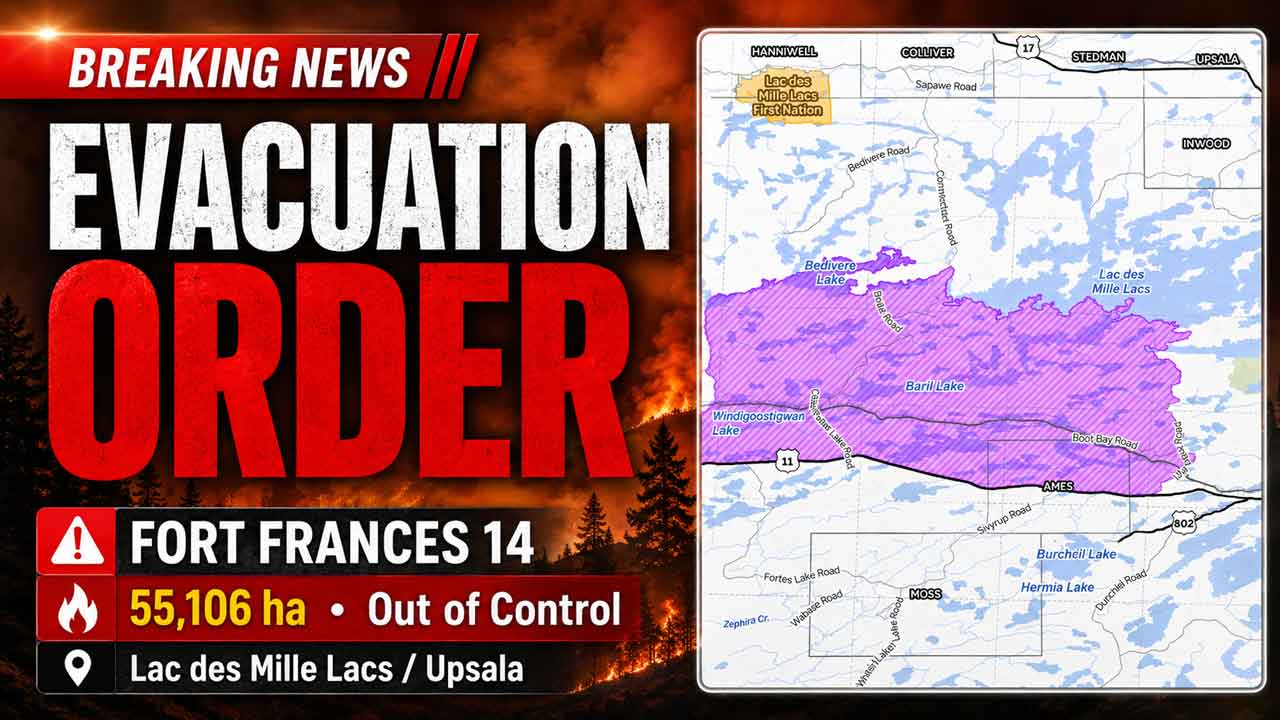
Updated Evacuation Information for Wildfire Fort Frances 14 (July 17 2026)
Environment
Updated Evacuation Information for Wildfire Fort Frances 14 (July 17 2026)
 Environment
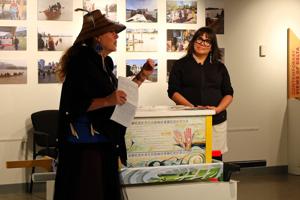
A powerful movement of healing arrives at Delta’s Discovery Centre
Environment
A powerful movement of healing arrives at Delta’s Discovery Centre
 Environment
EU Excludes Soybean Seed from Deforestation Rules
Environment
EU Excludes Soybean Seed from Deforestation Rules
 Environment
Metro Vancouver issues air quality warning as wildfire smoke drifts in
Environment
Metro Vancouver issues air quality warning as wildfire smoke drifts in
 Environment
Vancouver forecast in 'sweet spot' but hot temperatures on the way
Environment
Vancouver forecast in 'sweet spot' but hot temperatures on the way
More Local Coverage
Latest news Business
AI Market Trends: Q2 2026 Review and Forecast
Business
AI Market Trends: Q2 2026 Review and Forecast
 Politics
Powerful pro-life ad featuring boxing legend to air during final World Cup matches
Politics
Powerful pro-life ad featuring boxing legend to air during final World Cup matches