


The Yukon government and Carcross/Tagish First Nation produced the framework, which attempts to link two distinct approaches to managing wildfire: suppression and learning to live alongside it.
Yukon gov't, Carcross/Tagish First Nation release new wildfire protection framework Plan created by combining two approaches to managing wildfire The majority of buildings in Carcross, Yukon, are wooden-clad and some have shake roofs. Up the road in Tagish, there’s dense bush. This is all fuel for a boreal wildfire to spread.
Problems like these are what a new protection plan seeks to address. The Yukon government and Carcross/Tagish First Nation produced the framework, which attempts to link two distinct approaches to managing wildfire: suppression and learning to live alongside it. Luc Bibeau, manager of prevention and mitigation with Wildland Fire Management, said central to the plan is making the communities more proactive.
“The goal of this plan is to increase how effective our fire suppression and emergency responses are, to reduce potential impacts and losses to property and critical infrastructure and other values at risk,” he said. The plan packs in 36 recommendations, including enacting fire-resiliency bylaws, communal firewood storage and creating non-combustible buffers around houses, decks and so on. While not the most fire-prone area in the territory, both communities have weaknesses.
Many buildings in Carcross have wooden roofs and siding that are cause for concern. Cedar shake roofs are a major culprit behind the devastating wildfire in Jasper, Alberta, which razed whole blocks of buildings. They're so flammable the municipality and Parks Canada banned them outright.
Bibeau hopes shake roofs are phased out in the territory and replaced with materials like asphalt shingles, which are far less likely to ignite. “That vulnerability in the structures has led to structural loss, so it's one of these pieces that there's really good evidence behind to advocate for changes,” he said. Bibeau said roughly 90 per cent of structural loss is linked to ember showers, which winds can hurl kilometres ahead of a fast-moving wildfire.
Reducing that statistic, he said, requires using non-combustible building materials. “[Embers] landing on either a cedar shake roof, some dry grass or a juniper bush, something growing next to your home. That’s what catches on fire and ultimately burns down the structure,” he said.
In Tagish, wood siding and shakes aren’t really a concern. Bibeau said that community has other vulnerabilities that hinge on what’s called the wildland-urban interface. "Where the homes and the infrastructure blend into the surrounding forest with no defined break in between them," Bibeau said.
"That’s a classic example over in Tagish.” ‘Good fire’ Citizens of the Carcross/Tagish First Nation want to rekindle their relationship with fire — how to live alongside what Tyler Obediah calls "good fire." The natural resource coordinator with the nation said plans for prescribed and, or cultural burns could be developed in the future.
For more than a hundred years this country has been fixated on suppressing wildfire, stamping it out, Obediah said, adding to First Nations across North America, fire serves an essential ecological purpose, part and parcel of forest stewardship. Smaller, low-intensity burns take away fuels that satiate monster fires seen elsewhere in the country like Jasper that are made worse by climate change, Obediah said. When aspens and willows push through the forest floor they help reduce fire growth, he added.
Still, there needs to be balance. There are cultural values on the land — cabins, fish camps, berry patches — that need protection. People, too, he said.
“Looking at what your consequences are for fire, being able to manage them as best as possible and being prepared for it."
- Published
- Jul 15, 2026
- Updated
- Jul 15, 2026
- Source
- Cbc
- Category
- Environment
- Read time
- 3 min
Key facts
Why this matters locally
This environment story matters locally because it may affect readers, businesses, commuters, families, or public services in British Columbia.
Local impact
BC Post links this item to British Columbia coverage so readers can follow related city updates, weather, traffic, events, and category news in one place.
Timeline
Source and credit
BC Post may summarize, organize, and add local context for reader clarity. Original reporting remains with the listed publisher.
Related Articles
View all Environment
50-hectare wildfire burns between Clearwater and 100 Mile House
Environment
50-hectare wildfire burns between Clearwater and 100 Mile House
 Environment
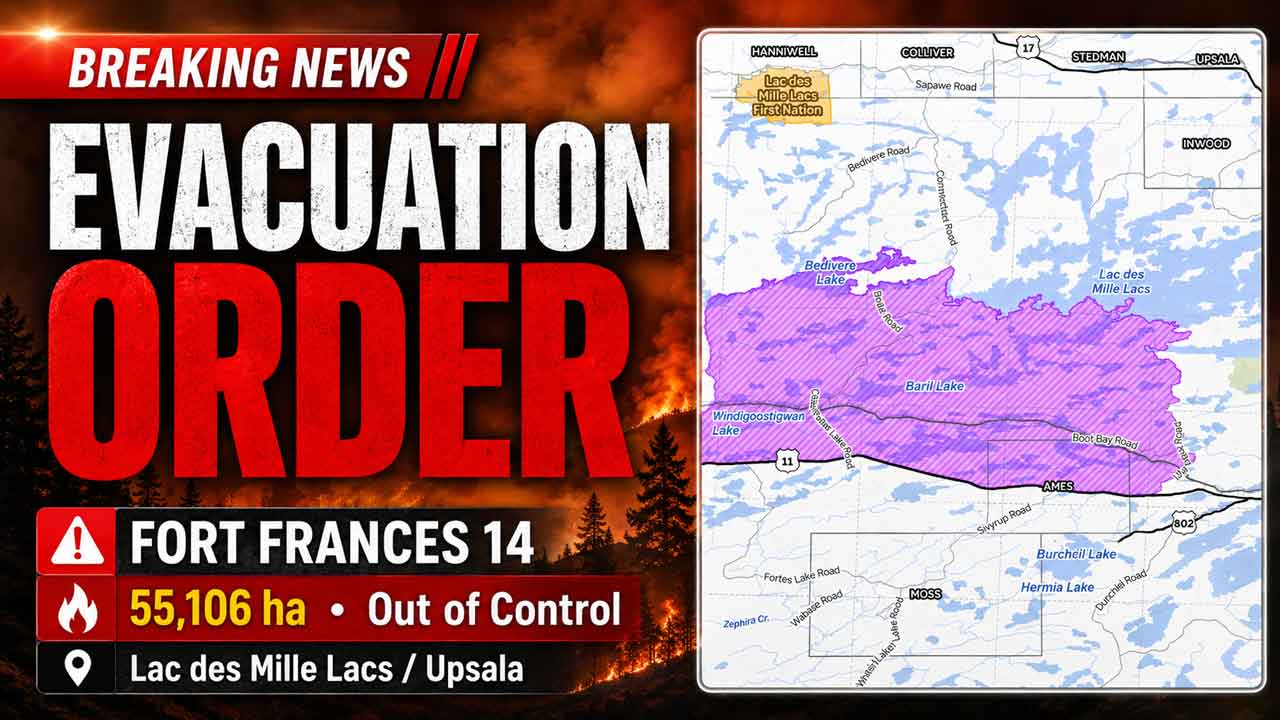
Updated Evacuation Information for Wildfire Fort Frances 14 (July 17 2026)
Environment
Updated Evacuation Information for Wildfire Fort Frances 14 (July 17 2026)
 Environment
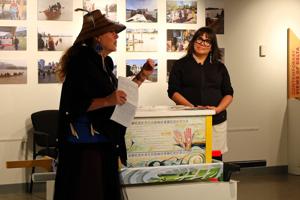
A powerful movement of healing arrives at Delta’s Discovery Centre
Environment
A powerful movement of healing arrives at Delta’s Discovery Centre
 Environment
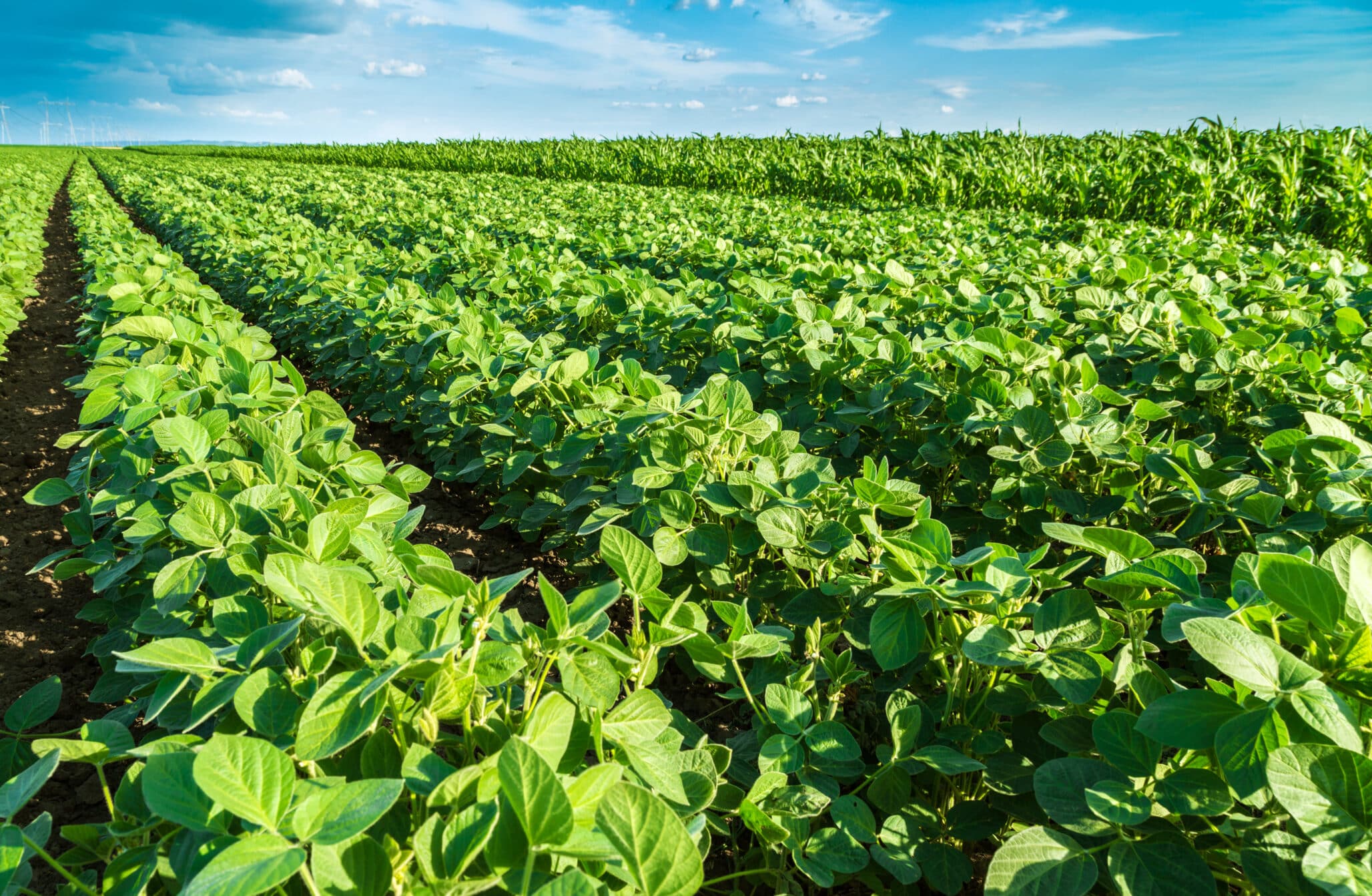
EU Excludes Soybean Seed from Deforestation Rules
Environment
EU Excludes Soybean Seed from Deforestation Rules
 Environment
Metro Vancouver issues air quality warning as wildfire smoke drifts in
Environment
Metro Vancouver issues air quality warning as wildfire smoke drifts in
 Environment
Vancouver forecast in 'sweet spot' but hot temperatures on the way
Environment
Vancouver forecast in 'sweet spot' but hot temperatures on the way
More Local Coverage
Latest news Business
AI Market Trends: Q2 2026 Review and Forecast
Business
AI Market Trends: Q2 2026 Review and Forecast
 Politics
Powerful pro-life ad featuring boxing legend to air during final World Cup matches
Politics
Powerful pro-life ad featuring boxing legend to air during final World Cup matches