

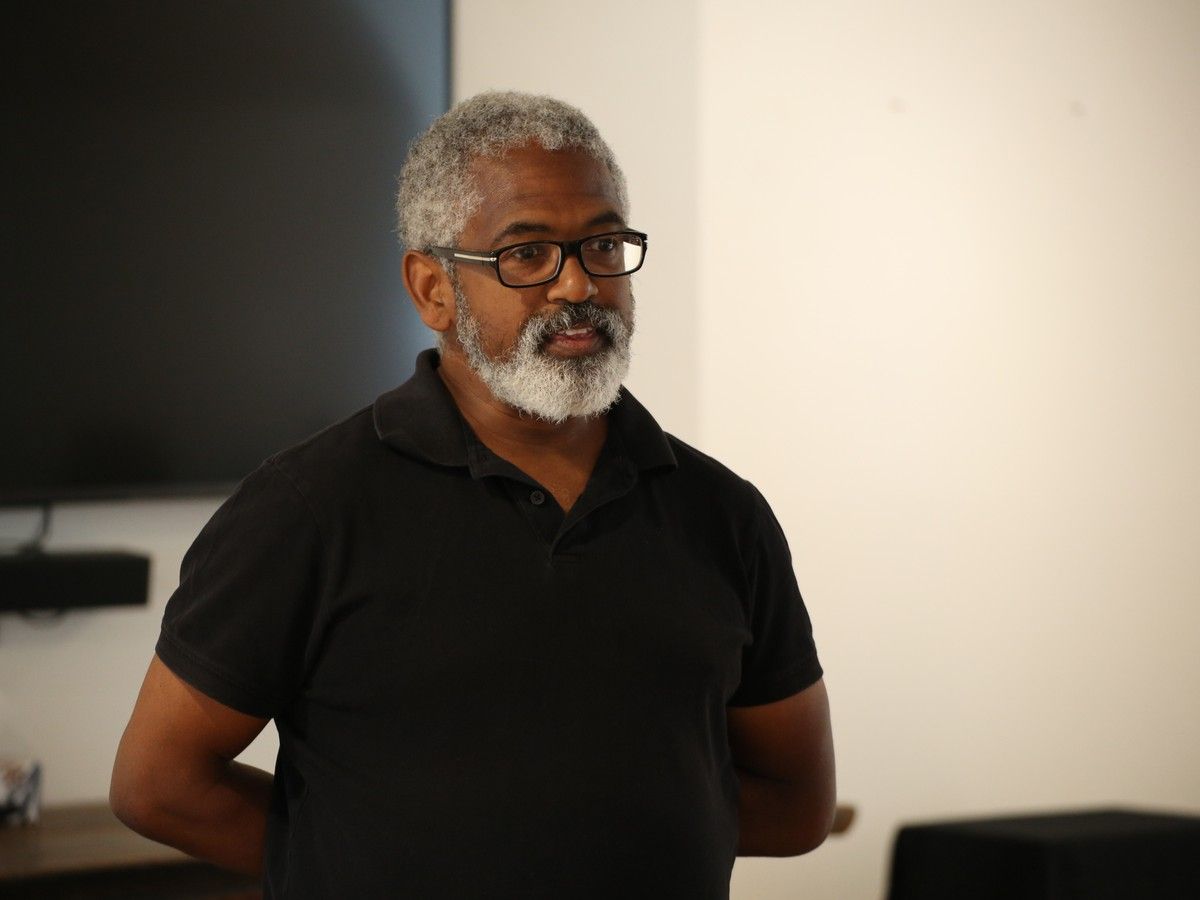
The visit marked the end of a 750-mile trek that began in Maryland on May 4.
Thirty years after retracing the footsteps of freedom seekers on the Underground Railroad, American historian Anthony Cohen returned to Windsor-Essex on Saturday to finish the same journey once again — a reminder, he says, that the pursuit of freedom remains as relevant today as it was centuries ago. The Maryland author, explorer and educator completed the final stop of his Freedom Walk 2026 tour at the Amherstburg Freedom Museum, where dozens gathered to welcome him and the travelling Harriet Tubman Journey to Freedom bronze sculpture that accompanied him across Ontario.
The visit marked the end of a 1,200 kilometre trek that began in Maryland on May 4 and followed the path taken by enslaved people seeking freedom in Canada. Cohen and fellow walkers travelled on foot, by boat and by rail before crossing into Canada at Niagara Falls on July 1. A smaller group then continued through nine Ontario communities before arriving in Amherstburg.
For Cohen, the return carried both historical and deeply personal meaning. His original 1996 Freedom Walk eventually led to a discovery that reshaped his understanding of his own family’s history. While researching after that journey, Cohen found an 1855 interview with a man who had escaped slavery in Savannah, Georgia, and settled in Canada.
“Within six months, I realized that his name was a name on my family tree,” Cohen said. “He was my long-lost great-great-grand uncle, and I had actually followed part of his route on my first walk and crossed into Canada at the same place he did before I ever knew his story.” That ancestor later left Canada during the American Civil War, joined a Union regiment and marched with Gen. William Tecumseh Sherman to the sea — inspiring another of Cohen’s historical walking expeditions in 2014.
Now in his early 60s, Cohen said returning to the road required months of preparation but proved every bit as rewarding as his first journey. He averaged roughly 12 miles a day throughout, although some days stretched considerably longer. One overnight walk along New York’s Erie Canal covered 27 miles from dusk until dawn, recreating an experiment he first undertook in 1996 to better understand how far an escaping freedom seeker might have travelled in a single night.
This year’s journey also brought unexpected reunions. Cohen said he was struck by how many people remembered his first walk three decades ago, including organizers in Amherstburg who welcomed him back exactly 30 years to the day after his original visit. One museum volunteer even uncovered one of Cohen’s daily
Source and reference
journal entries from 1996, recorded through the U.S. National Park Service’s telephone message system, an early form of blogging before the internet became commonplace. “What are the odds?” Cohen said with a laugh. Irene Moore Davis, a local educator and historian who helped organize the Ontario portion of the tour, said bringing Cohen back to Windsor-Essex three decades later underscored the region’s place in Underground Railroad history. “We want people to really highlight and appreciate the incredible Underground Railroad heritage that we have in this region that we sometimes take for granted,” Davis told the Star. “We’re known around the world for this history that we have here, but we don’t always appreciate it in our own backyard.” While the walk commemorates the courage of those who escaped slavery and the abolitionists who helped them, Cohen said its broader purpose was to...
Read original source- Published
- Jul 13, 2026
- Updated
- Jul 13, 2026
- Source
- Windsor Star
- Category
- Lifestyle
- Read time
- 3 min
Key facts
Why this matters locally
This lifestyle story matters locally because it may affect readers, businesses, commuters, families, or public services in British Columbia.
Local impact
BC Post links this item to British Columbia coverage so readers can follow related city updates, weather, traffic, events, and category news in one place.
Timeline
Source and credit
BC Post may summarize, organize, and add local context for reader clarity. Original reporting remains with the listed publisher.
Related Articles
View all Lifestyle
City of Lethbridge formally agrees to contribute funding for future 32-bed recovery facility
Lifestyle
City of Lethbridge formally agrees to contribute funding for future 32-bed recovery facility
 Lifestyle
New Gateway Mall owners hope to bring in a Costco
Lifestyle
New Gateway Mall owners hope to bring in a Costco
 Lifestyle
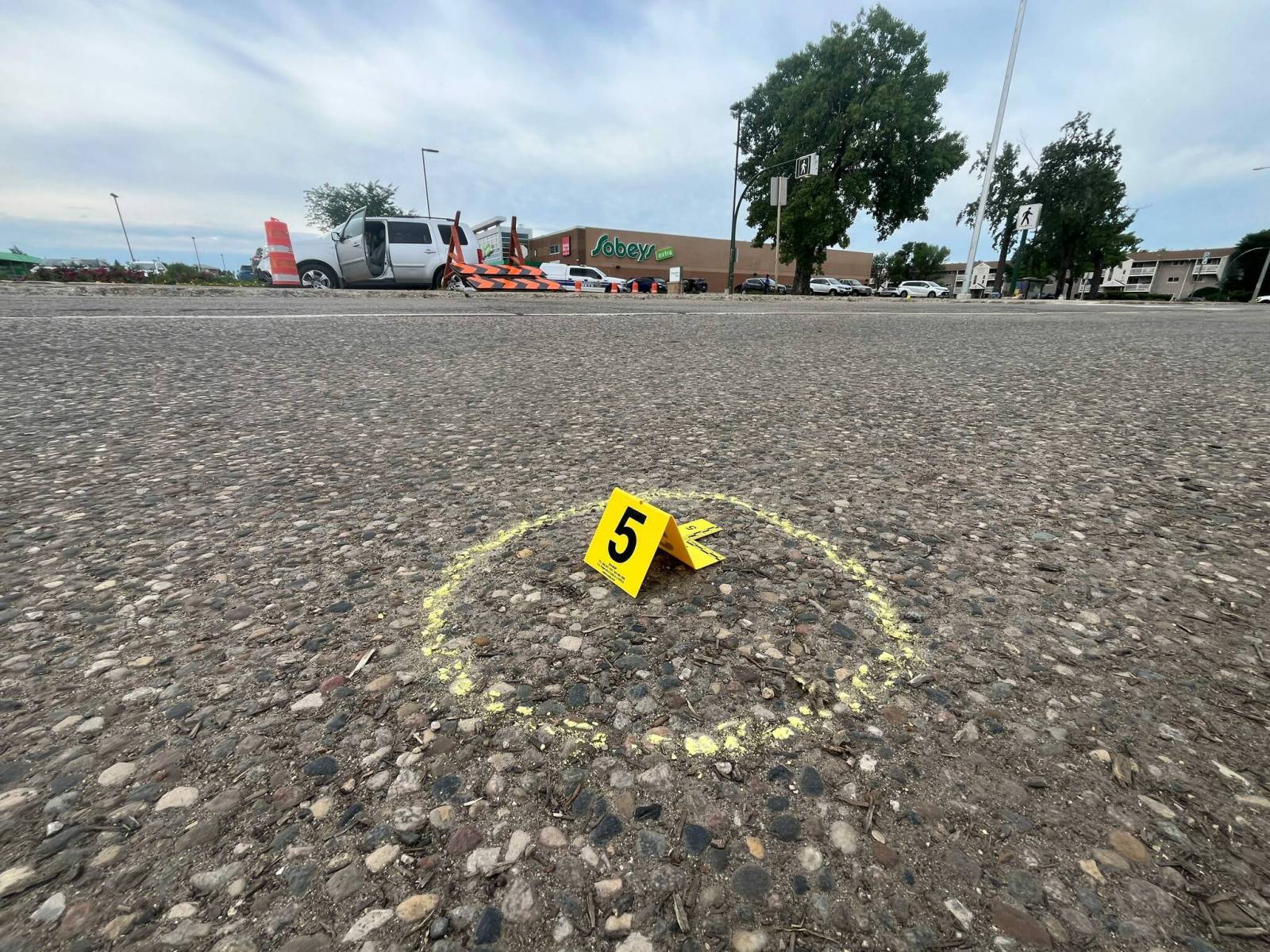
Teen hit in crosswalk faces long recovery
Lifestyle
Teen hit in crosswalk faces long recovery
 Lifestyle
Canadian lottery winner thrilled by free plays before noticing much bigger prize
Lifestyle
Canadian lottery winner thrilled by free plays before noticing much bigger prize
 Lifestyle
PHOTOS: Cyclists in Chilliwack ride in rain to raise funds for multiple sclerosis
Lifestyle
PHOTOS: Cyclists in Chilliwack ride in rain to raise funds for multiple sclerosis
 Lifestyle
From overlooked recruit to featured player: Yorkville Christian grad David Douglas Jr. comes home to NIU
Lifestyle
From overlooked recruit to featured player: Yorkville Christian grad David Douglas Jr. comes home to NIU
More Local Coverage
Latest news Business
AI Market Trends: Q2 2026 Review and Forecast
Business
AI Market Trends: Q2 2026 Review and Forecast
 Politics
Powerful pro-life ad featuring boxing legend to air during final World Cup matches
Politics
Powerful pro-life ad featuring boxing legend to air during final World Cup matches
 Top
‘Entire city’ asked to help search for missing 11-year-old Parker: Calgary police
Top
‘Entire city’ asked to help search for missing 11-year-old Parker: Calgary police