

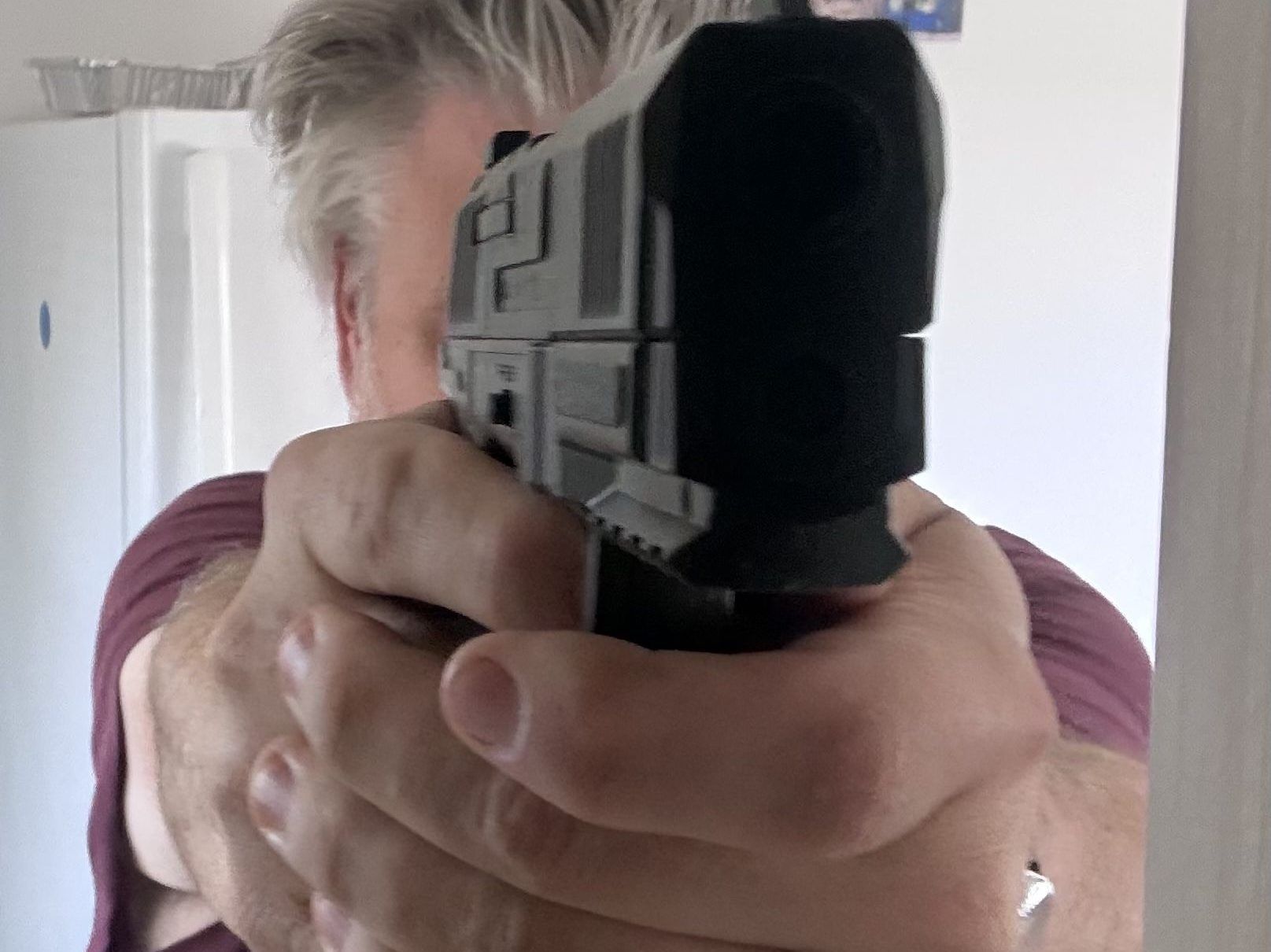
3D printing now provides the criminal element in northern AB and B.C. Peace Region to make firearms. Ghost guns a new untraceable weapon.
A decade ago, building a working firearm at home required machining skills, welding experience and specialized tools. Today, Edmonton Police’s firearms examination unit Const. Erik Tolley said almost anyone can do it with a consumer-grade 3D printer, downloadable files and a few hours of work.
Ghost guns are becoming easier to build — and harder for police to trace “Even 10 years ago, somebody making a good firearm needed machining and welding skills,” Tolley said. “Those people were generally gainfully employed and less likely to be doing it. Now I can teach my kids how to print one in a couple of hours.
The skill level has almost dropped to zero. The result is a steady increase in privately manufactured firearms arriving on evidence tables across Alberta. Tolley, who examines firearms for police agencies throughout the province outside Calgary, says 3D-printed firearms have gone from a rarity to the most common form of homemade gun he encounters.
In 2020, the Edmonton firearms laboratory handled just two case files involving 3D-printed firearms. Today, the lab averages three or four files every month containing one or more privately manufactured firearms. So far in 2026, Tolley has personally examined 25 privately manufactured firearms.
Twenty-three were either completely or partially 3D printed, while the remaining two were improvised pipe guns. Across the entire lab, he estimates the total is roughly double that. “They’re out there all over the place,” he said.
The quality varies dramatically. Some are little more than plastic, gun-shaped objects incapable of firing. Others are sophisticated enough that someone “was going to get shot with this manufactured firearm,” Tolley said.
Province-wide, the numbers tell a similar story. According to Mike Tucker of the Alberta Law Enforcement Response Teams (ALERT), police agencies across Alberta seized 374 3D-printed firearms over the past five years — 20 in 2021, 72 in 2022, 100 in 2023, 86 in 2024 and 93 in 2025. Because ALERT focuses primarily on organized crime and drug investigations, Tucker said the overwhelming majority of the 3D-printed firearms they seize are connected to those criminal networks.
A spike in 2023 coincided with Project Reproduction, a major Alberta investigation into clandestine firearm manufacturing. Since then, Tucker said seizure numbers have remained relatively stable, suggesting the initial surge in interest may have levelled off. Unlike conventional firearms, however, ghost guns create a unique challenge for investigators.
Factory-produced firearms carry serial numbers that can often be traced back to manufacturers and purchasers. Many 3D-printed firearms have no serial number at all. “The ability to trace them is almost zero,” said Tolley.
Researchers are exploring whether microscopic marks left by individual printers could someday identify the machine used to manufacture a firearm, but that forensic science remains in its infancy. For now, investigators usually cannot determine where a printed firearm originated. Tucker said police have no reliable method to link a firearm to a specific printer or location.
Still, because of the convenience of home manufacturing, investigators believe most of the 3D-printed firearms seized in Alberta were likely produced in Alberta. Police are also seeing more than fully assembled weapons. Under Canadian law, a printed receiver alone is legally considered a firearm.
Commercial firearm kits are readily available containing virtually every other component needed to complete a weapon once a receiver has been produced. Tolley believes police are seeing only a fraction of what’s actually being manufactured. “The ones that are out there but haven’t been used criminally?”
he said. “It could be tens. It could be thousands.”
As printers become cheaper, stronger and more precise — and online tutorials continue to reduce the technical knowledge required — Alberta investigators expect privately manufactured firearms will remain a persistent challenge. “It’s so easy now,” Tolley said. “That’s what’s changed.”
You can also support our journalism by becoming a digital subscriber. Subscribers gain unlimited access to The Edmonton Journal, Edmonton Sun, National Post and 13 other Canadian news sites. Support us by subscribing today: The Edmonton
Source and reference
Journal | The Edmonton Sun.
Read original source- Published
- Jul 14, 2026
- Updated
- Jul 14, 2026
- Source
- Edmonton Journal
- Category
- Top
- Read time
- 3 min
Key facts
Why this matters locally
This top story matters locally because it may affect readers, businesses, commuters, families, or public services in British Columbia.
Local impact
BC Post links this item to British Columbia coverage so readers can follow related city updates, weather, traffic, events, and category news in one place.
Timeline
Source and credit
BC Post may summarize, organize, and add local context for reader clarity. Original reporting remains with the listed publisher.
Related Articles
View all Top
‘Entire city’ asked to help search for missing 11-year-old Parker: Calgary police
Top
‘Entire city’ asked to help search for missing 11-year-old Parker: Calgary police
 Top
Rock the Lake celebrated its ninth year at Prospera Place this past weekend
Top
Rock the Lake celebrated its ninth year at Prospera Place this past weekend
 Top
Million-dollar contract awarded for Surrey Sport & Leisure Complex renos
Top
Million-dollar contract awarded for Surrey Sport & Leisure Complex renos
 Top
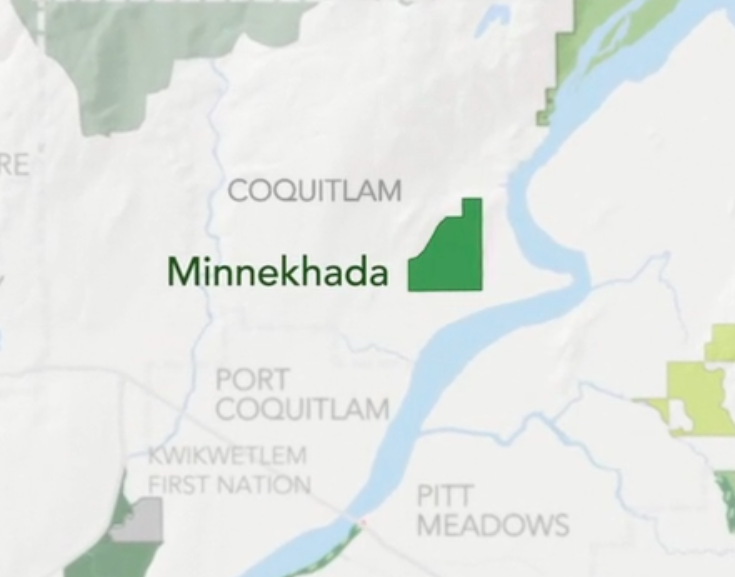
Metro Vancouver land acquisition adds to Minnekhada Regional Park
Top
Metro Vancouver land acquisition adds to Minnekhada Regional Park
 Top
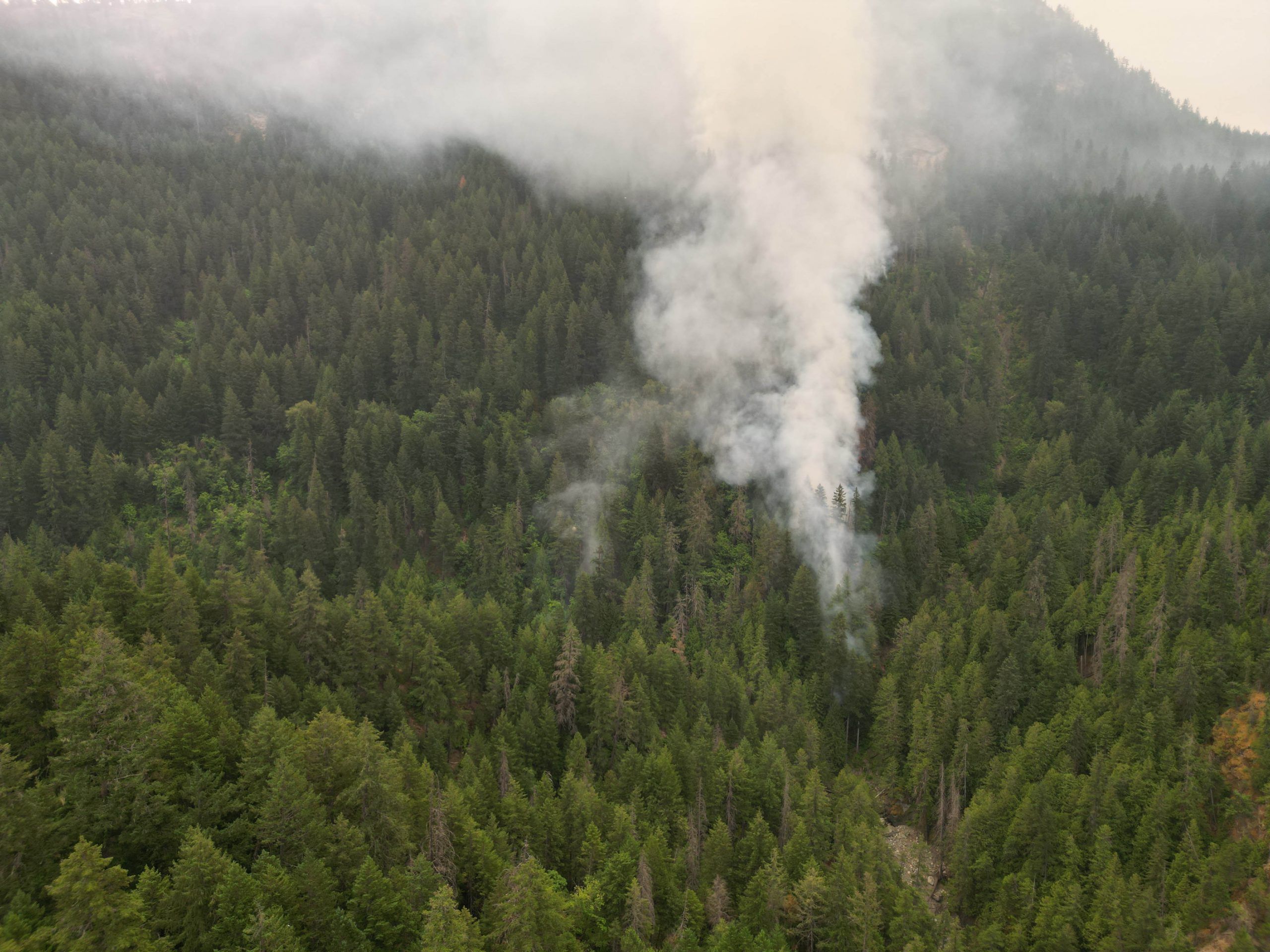
Brunswick Creek wildfire grows, leads to air quality warning in east Fraser Valley
Top
Brunswick Creek wildfire grows, leads to air quality warning in east Fraser Valley
 Top
'A sacred place': Delta park to get dedicated ash-scattering site
Top
'A sacred place': Delta park to get dedicated ash-scattering site
More Local Coverage
Latest news Business
AI Market Trends: Q2 2026 Review and Forecast
Business
AI Market Trends: Q2 2026 Review and Forecast
 Politics
Powerful pro-life ad featuring boxing legend to air during final World Cup matches
Politics
Powerful pro-life ad featuring boxing legend to air during final World Cup matches
 Local News
Cowichan sports shorts: rugby, hockey, biking
Local News
Cowichan sports shorts: rugby, hockey, biking