

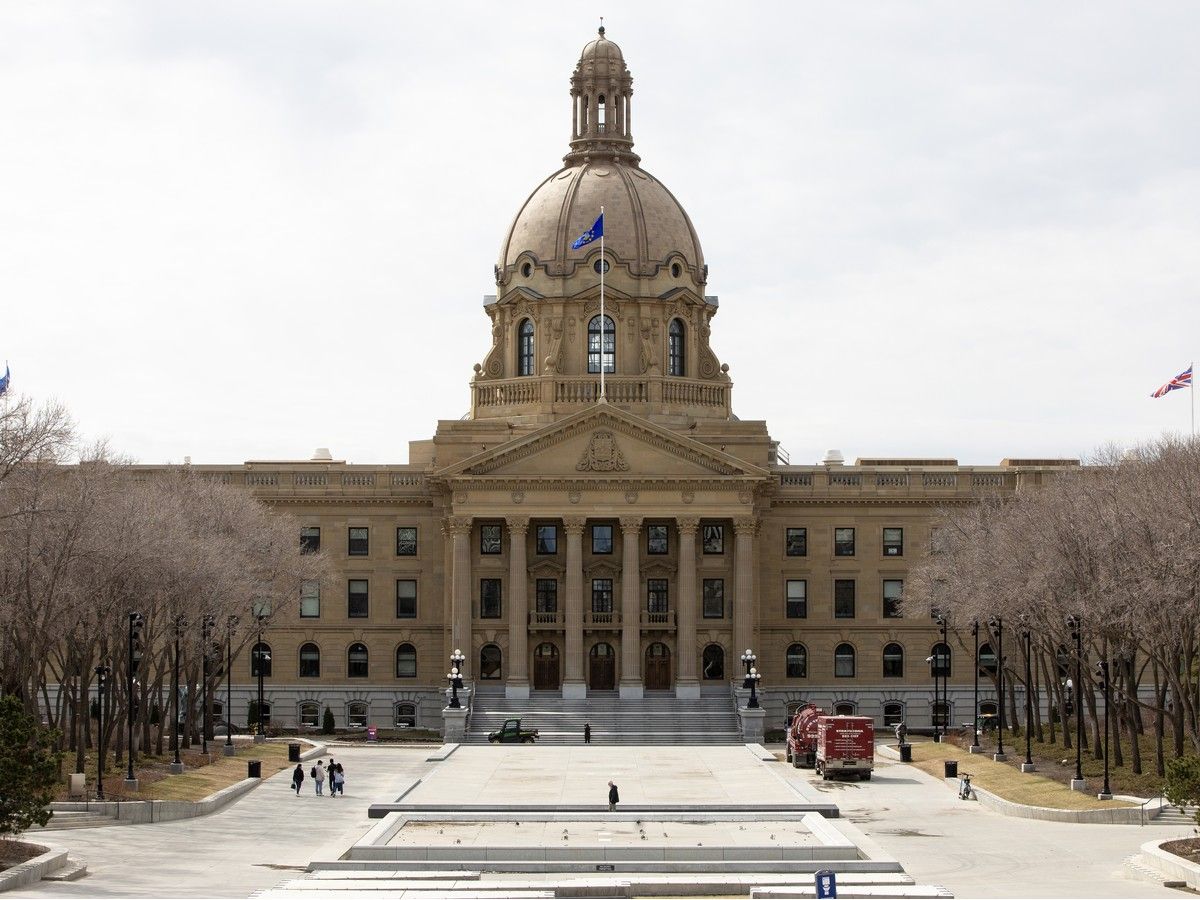
As someone who signed both petitions, I believe there is one thing that both sides actually agree on — that regardless of the path Alberta takes moving forward, the status quo cannot be part of that future. I signed both not because I agreed with one or the other, but because I wanted to make [...]
As someone who signed both petitions, I believe there is one thing that both sides actually agree on — that regardless of the path Alberta takes moving forward, the status quo cannot be part of that future. I signed both not because I agreed with one or the other, but because I wanted to make sure that the issue was put to a vote. While I personally believe Alberta separation is virtually unachievable, peacefully, continuing as a province of Canada with “business as usual” is equally unacceptable.
The relationship must change. Alberta’s list of grievances is long and goes right back to the very beginning. Alberta (and Saskatchewan) were not viewed as equals but as second-tier citizens.
This is evidenced by the 1904 Minister of the Interior Clifford Sifton quote that, nowadays, most Alberta separatists can recite verbatim. “We desire, and all Canadian Patriots desire, that the great trade of the prairies shall go to enrich our people to the East, to build up our factories and our places of work, and in every legitimate way to our prosperity.” From there the litany of grievances with Ottawa grows and the previous Liberal government only threw fuel on the fire.
It’s not just about a pipeline. Pipelines are just a symbol of the pattern. It’s about policies that punish one region for votes in another: - The tanker ban isn’t a real tanker ban since it only bans oil tankers.
- What is included or omitted in the equalization formula calculation conveniently punishes one region to the benefit of another. - The government makes criminals of law-abiding gun owners across the country just so it can continue treating the actual criminals as victims and, of course, continue getting votes in two particular urban centres. - One region gets a break on home-heating carbon taxes while the rest just get shrugs.
- And could you imagine the federal government saying food prices are too high so Quebec dairy producers can no longer charge full price? Of course not, but when it came to oil, well, that was different, because it was Alberta. That right there is probably my biggest grievance.
Successive federal governments have shown no qualms about acting against Alberta’s interests in a way that it would never consider against any other province. On top of that, accommodations given — or outright offered — to some jurisdictions denied to Alberta as “unacceptable” or “un-Canadian.” Is it so much to ask that if one province is given greater authority or autonomy, that the same is given to other provinces?
Canada has been described as an asymmetric federation. Is it any wonder then that some Canadians might tire of being on the losing side of that imbalance and seek out radical change? Despite being against Alberta separation, if the choice was between independence and a continuation of things as they are, I’d likely change my position to backing independence, regardless of the cost or the mechanism.
We didn’t get to where we are all of a sudden. It has been decades of straw after straw added to the load. Ten years of Justin Trudeau have done more damage to Canadian unity than any other prime minister in history.
This includes his father who ushered in a Constitution that made the Supreme Court the highest legislative authority in the county, supplanting Parliament itself. It is because of the compounding consequences of these actions that a growing number of Canadians are skeptical that Canada, in its current form, will even exist in 50 years. Who knows, maybe Alberta separatists aren’t acting on delusional self-interest but are seeing the writing on the wall and are just the first to start making their way to the lifeboats.
Darren Pinkoski is a safety officer in the forestry sector and a former community newspaper reporter and editor Alberta Voices is a Edmonton Journal/Calgary Herald project that amplifies Albertans’ thoughts on separation-related issues. Send your opinion, to be considered for publication, to edm-feedback@postmedia.com with the subject line Alberta Voices.
- Published
- Jul 17, 2026
- Updated
- Jul 17, 2026
- Source
- Edmonton Journal
- Category
- Politics
- Read time
- 3 min
Key facts
Why this matters locally
This politics story matters locally because it may affect readers, businesses, commuters, families, or public services in British Columbia.
Local impact
BC Post links this item to British Columbia coverage so readers can follow related city updates, weather, traffic, events, and category news in one place.
Timeline
Source and credit
BC Post may summarize, organize, and add local context for reader clarity. Original reporting remains with the listed publisher.
Related Articles
View all Politics
Powerful pro-life ad featuring boxing legend to air during final World Cup matches
Politics
Powerful pro-life ad featuring boxing legend to air during final World Cup matches
 Politics
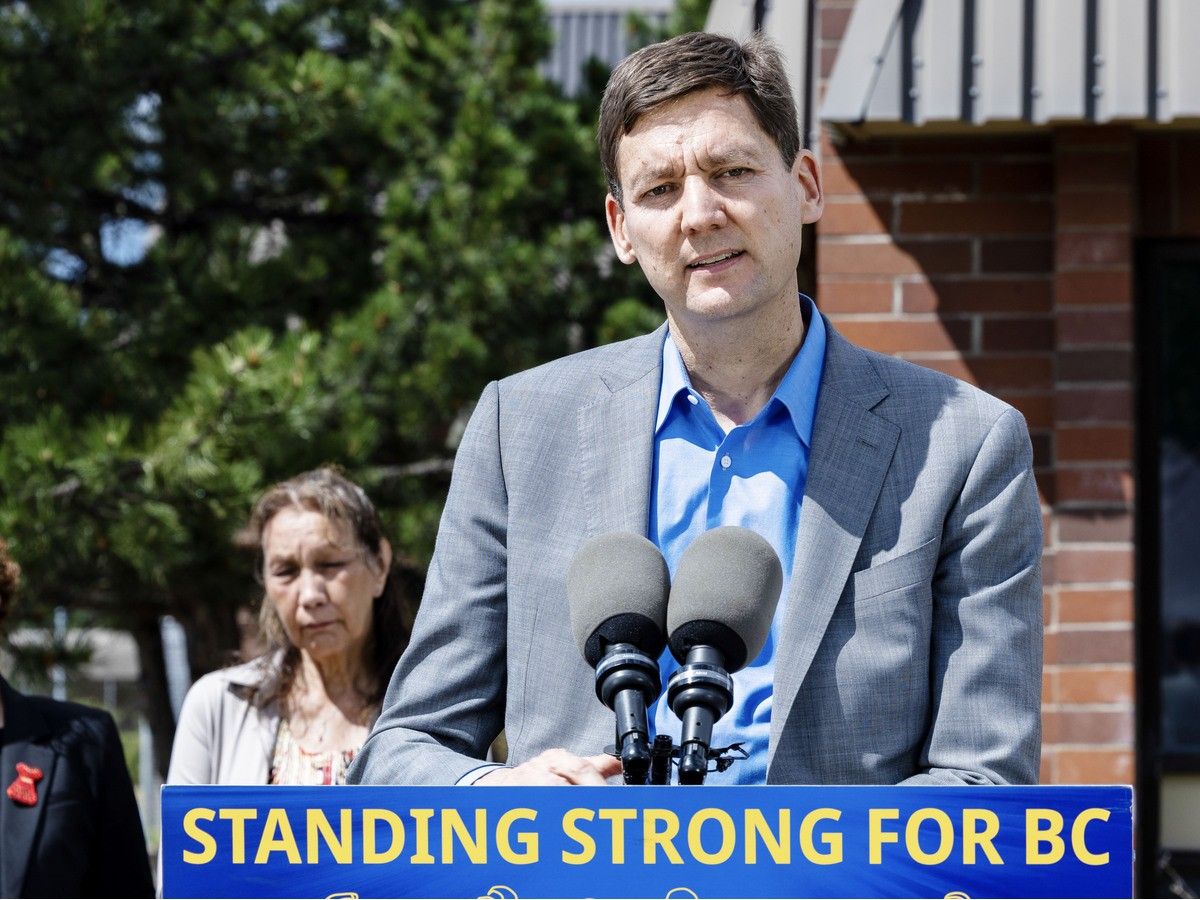
Vaughn Palmer: David Eby's slow and expensive step toward involuntary care
Politics
Vaughn Palmer: David Eby's slow and expensive step toward involuntary care
 Politics
Pitt Meadows to host information session for city council candidates
Politics
Pitt Meadows to host information session for city council candidates
 Politics
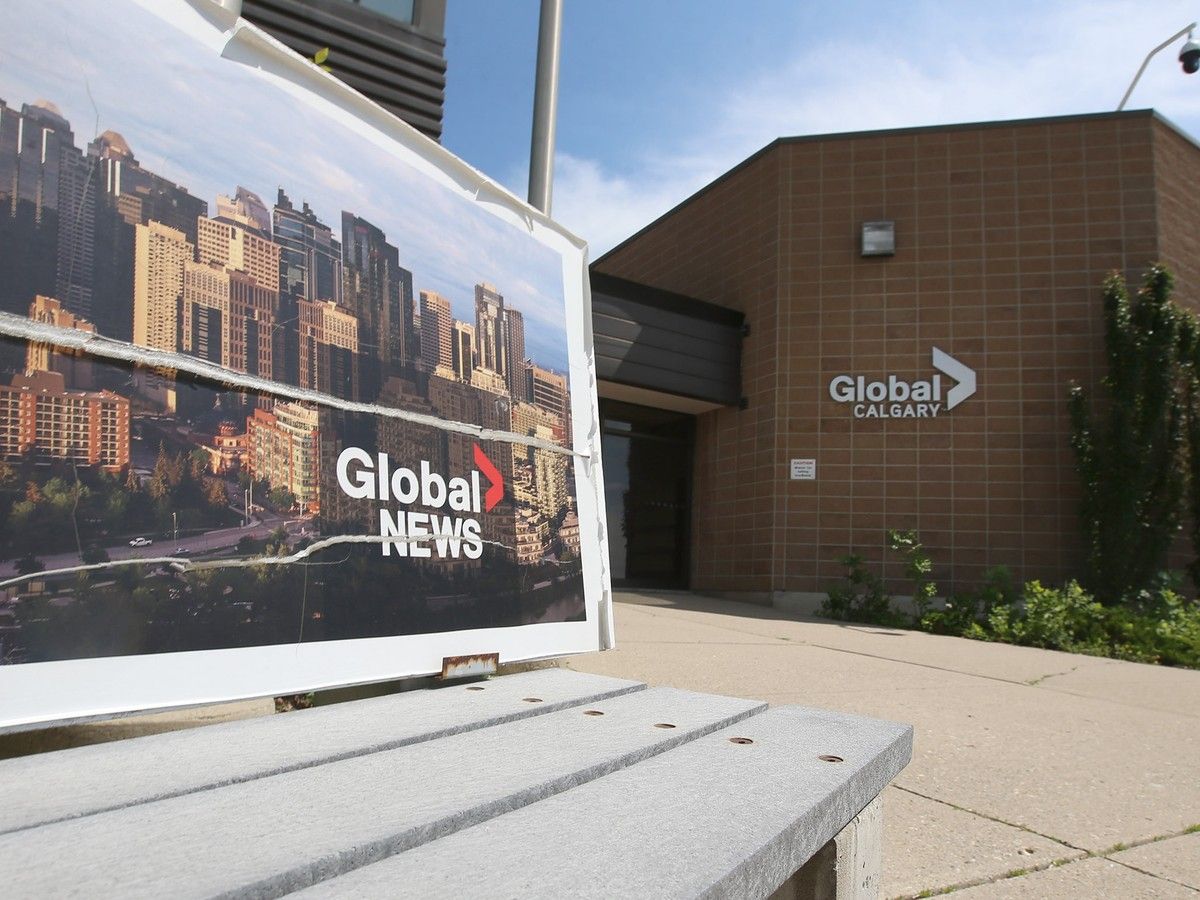
Corus rebuts misinformation about future of Global News in Alberta after layoffs
Politics
Corus rebuts misinformation about future of Global News in Alberta after layoffs
 Politics
‘No consequences’: East Van woman says she was targeted by hate-motivated assault
Politics
‘No consequences’: East Van woman says she was targeted by hate-motivated assault
 Politics
Hundreds of enthusiatic supporters attend Surrey Mayor Brenda Locke’s fundarising dinner
Politics
Hundreds of enthusiatic supporters attend Surrey Mayor Brenda Locke’s fundarising dinner
More Local Coverage
Latest news Business
AI Market Trends: Q2 2026 Review and Forecast
Business
AI Market Trends: Q2 2026 Review and Forecast
 Local News
Cowichan sports shorts: rugby, hockey, biking
Local News
Cowichan sports shorts: rugby, hockey, biking