


Two churches have removed themselves from a city hall list showing where Waterloo could add denser housing
A Waterloo church has rejected a city hall plan to enable housing on its four-acre property after upset neighbours rallied to preserve vacant church land they enjoy near their detached houses. “All the neighbours are happy about that,” said Harry Weiss, chair of the board at the Church of God in the city’s Westvale suburb. Neighbours use the Church of God property on Middlebury Drive to walk dogs, play with children, gather for events and marvel at nature and wildlife.
In June, neighbours accused city hall of threatening their slice of heaven with what they saw as a misguided plan to make it easier for the church to add housing. In July, at the church’s request, city hall removed the Church of God from a list of churches where planners aim to facilitate stacked townhouses or apartment buildings of up to six storeys. This follows a public meeting where neighbourhood critics told city council that denser housing does not belong near their detached houses, but should be directed instead to busier roads, closer to transit and closer to other buildings that are taller.
When the Church of God was built in 1987, there was an idea to house seniors on its large property. “The people, you know, could live in it and be close to church,” Weiss said. But the church lacked volunteers for a housing project and currently has no plans to add housing.
“We can always cross that bridge whenever we get to it, but this is the situation right now,” he said. City hall also removed First Baptist Church on Erb Street West from its planning list, also at the request of the church. The church has almost six acres of property.
These revisions have downsized a city proposal to facilitate denser housing on church properties in order to spur affordable housing and help dwindling congregations find new outreach and revenue. The city’s initial planning list identified 35 acres of property owned by 14 churches that could be suitable for denser housing if churches choose to go down that path. The revised list identifies 25 acres of property owned by 12 churches.
Council has made no final decision on the list or on expanded planning permissions, pending further review and more public input. There are no conditions to remove a church from the planning list. “If the owners of the site asked to be taken off the list, they were removed,” city spokesperson Cari Van Niekerk said.
City hall contends its planning proposal will help struggling congregations redevelop underused properties to the benefit of themselves and the community, should they choose to do so. It helps the city move past a housing crisis and it helps churches add community spaces for rent or outreach, city planners say. The initiative is among several city hall is undertaking using federal funds meant to spur housing.
A number of churches in the region have sought to put housing on their properties as congregations and revenues dwindle. The process is sometimes bruising, requiring churches to navigate planning obstacles, outcry from neighbours or both. The Church of God has dwindled to an aging congregation of about 35.
“Lately we lost quite a few that decided to go to heaven,” Weiss said. City council has pledged to add 16,000 homes by 2031, but is adding homes at half the pace required to meet that goal. The housing crisis has been blamed for escalating rents and costs, for pricing some people out of the market and for contributing to homelessness.
- Published
- Jul 14, 2026
- Updated
- Jul 14, 2026
- Source
- The Record
- Category
- Politics
- Read time
- 3 min
Key facts
Why this matters locally
This politics story matters locally because it may affect readers, businesses, commuters, families, or public services in British Columbia.
Local impact
BC Post links this item to British Columbia coverage so readers can follow related city updates, weather, traffic, events, and category news in one place.
Timeline
Source and credit
BC Post may summarize, organize, and add local context for reader clarity. Original reporting remains with the listed publisher.
Related Articles
View all Politics
Powerful pro-life ad featuring boxing legend to air during final World Cup matches
Politics
Powerful pro-life ad featuring boxing legend to air during final World Cup matches
 Politics
Traditional Catholic response to Cupich’s suicide distortion
Politics
Traditional Catholic response to Cupich’s suicide distortion
 Politics
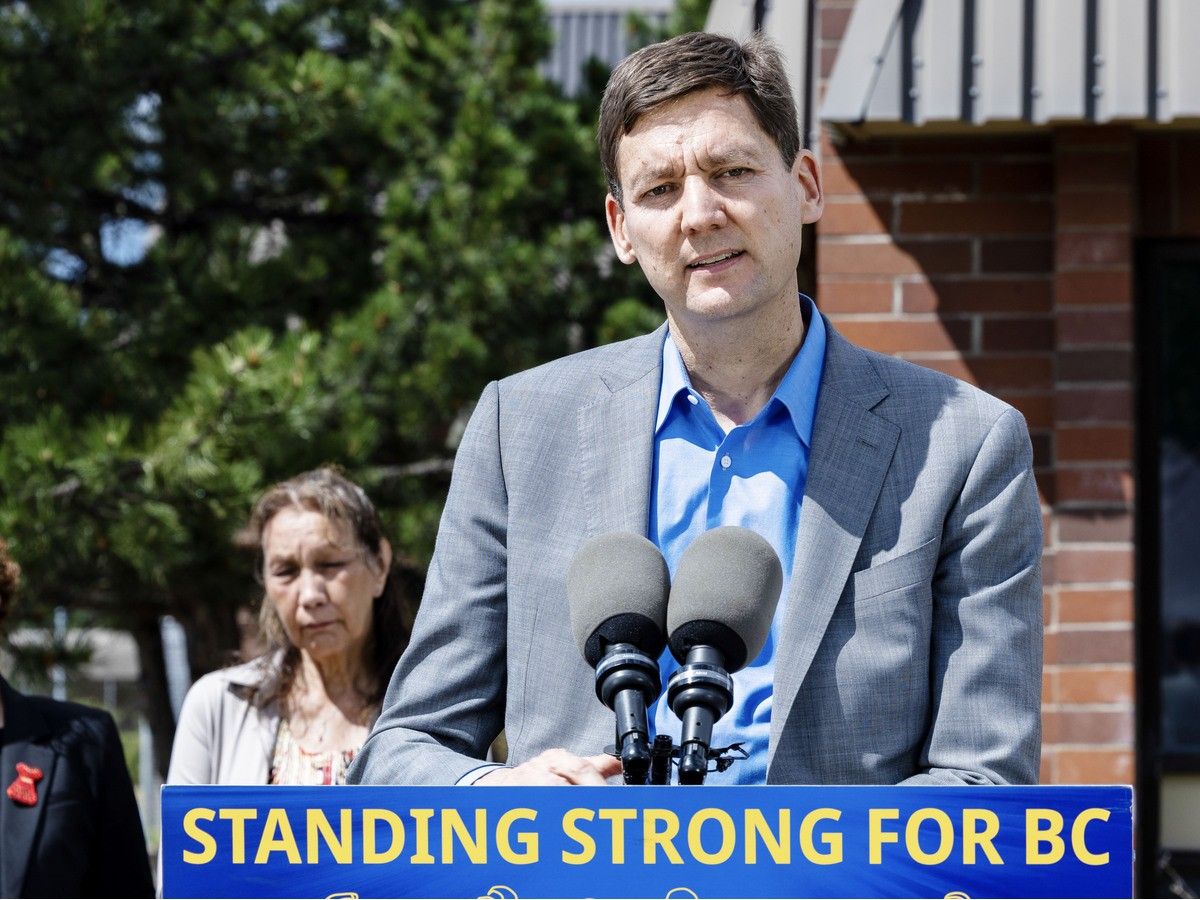
Vaughn Palmer: David Eby's slow and expensive step toward involuntary care
Politics
Vaughn Palmer: David Eby's slow and expensive step toward involuntary care
 Politics
Corus rebuts misinformation about future of Global News in Alberta after layoffs
Politics
Corus rebuts misinformation about future of Global News in Alberta after layoffs
 Politics
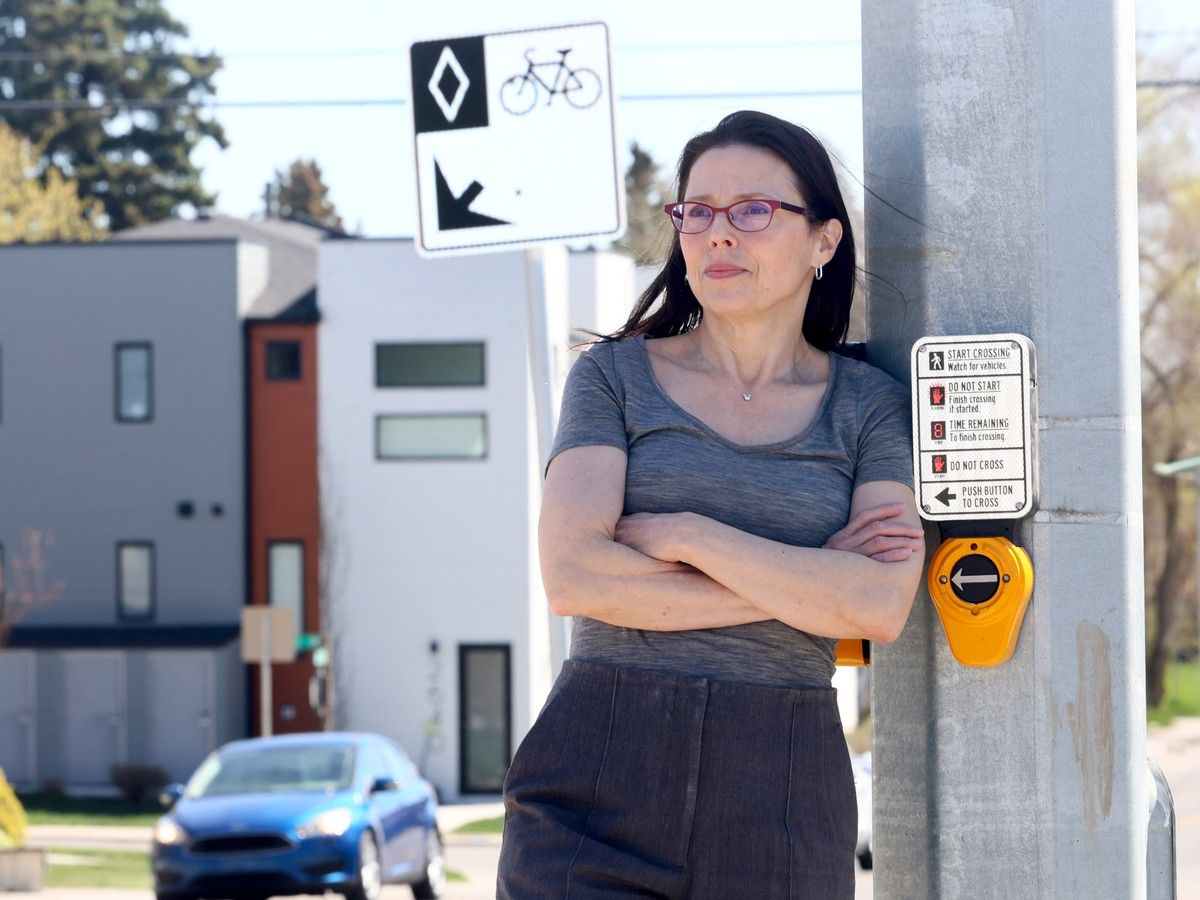
Bell: Bike lane clash in Edmonton, is Calgary next in line for a fight?
Politics
Bell: Bike lane clash in Edmonton, is Calgary next in line for a fight?
 Politics
‘No consequences’: East Van woman says she was targeted by hate-motivated assault
Politics
‘No consequences’: East Van woman says she was targeted by hate-motivated assault
More Local Coverage
Latest news Business
AI Market Trends: Q2 2026 Review and Forecast
Business
AI Market Trends: Q2 2026 Review and Forecast
 Top
‘Entire city’ asked to help search for missing 11-year-old Parker: Calgary police
Top
‘Entire city’ asked to help search for missing 11-year-old Parker: Calgary police
 Local News
Cowichan sports shorts: rugby, hockey, biking
Local News
Cowichan sports shorts: rugby, hockey, biking