

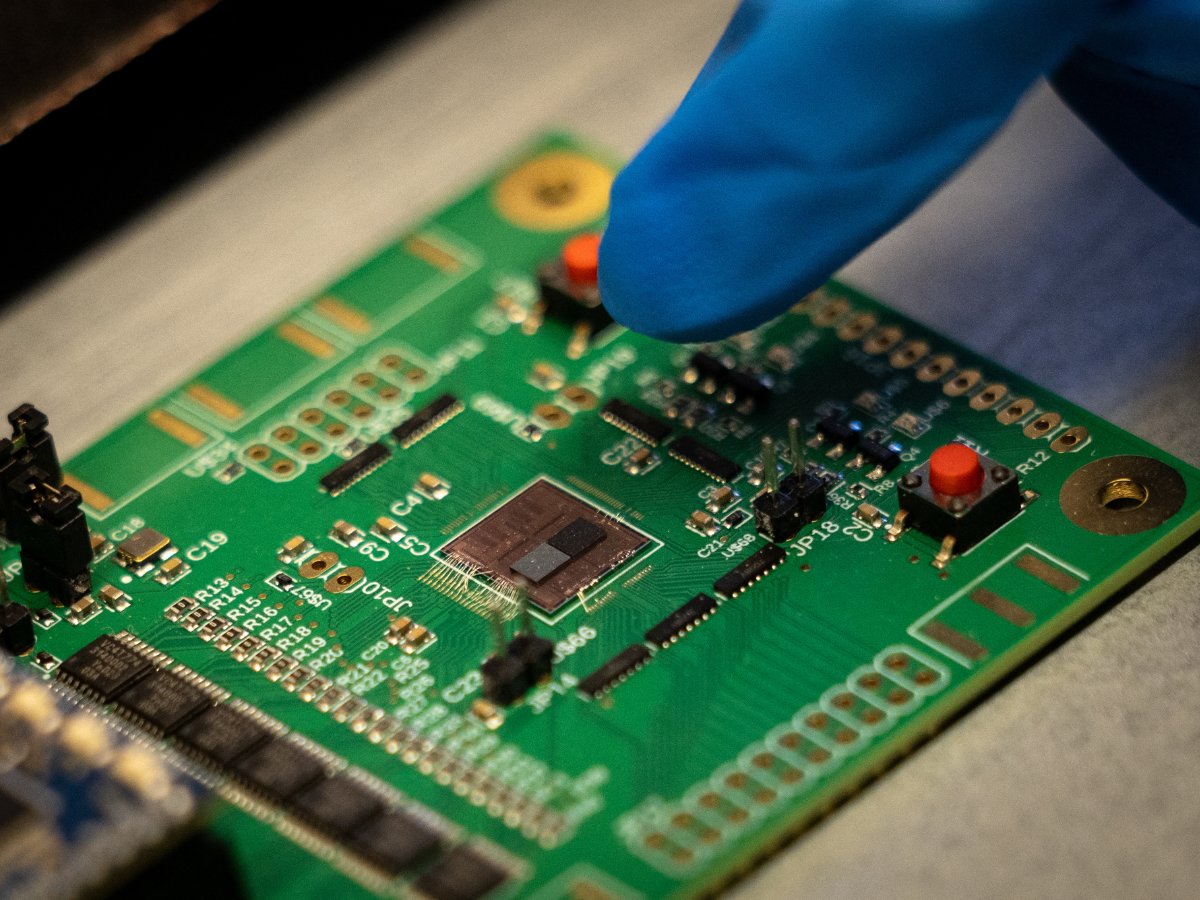
'You need to develop the talent, you need to persevere and you have to have a lot of patience so that you can do this'
Many promising companies solving critical problems for advanced semiconductor technology have started up in Canada only to move to the United States or be bought by American companies, but Montreal startup Stathera Inc. wants to change that. The company, which makes semiconductor timing technology it hopes to sell to U.S. chipmakers such as Nvidia Corp., Advanced Micro Devices Inc. (AMD) and Marvell Technology Inc., raised US$55 million in an oversubscribed Series B round last month, largely from U.S. and Taiwanese investors like Maverick Silicon, Celesta Global Capital Managers LLC and the venture arm of MediaTek Inc. Founder and chief executive George Xereas said his company has received acquisition offers from U.S. companies and proposals from American investors to move south.
“But as long as I’m around, we are 100 per cent going to stay in Canada,” he said. “If you can’t find the right talent or investors in Canada, you should go ahead and go get the talent or the investors wherever they are,” he said. Stathera received term sheets from Canadian investors, but Xereas said U.S. investors were much more aggressive in terms of the capital they were willing to put up and the ambitions they saw for how far the company could go.
He said he is confident Stathera can grow from Canada and sell to the U.S. market to take advantage of the artificial intelligence buildout that is on track to reach US$1 trillion, according to Goldman Sachs Group Inc. estimates. Others have not been so confident. For example, Toronto-founded Tenstorrent Inc., which makes advanced chips for AI, relocated to the U.S. in 2023 as part of a US$100-million fundraise, and CentML Inc. and Untether AI Corp. were scooped up last year by Nvidia and AMD, respectively.
As Big Tech continues to build large-scale data centres to train and run AI systems, Xereas said these facilities could require tens or thousands of chip timing devices to keep their servers running. He also said Stathera has and is now testing its technology for data centres after validating it for consumer devices. Xereas said his company’s manufacturing supply chain, which spans Canada and Asia, currently makes sense and it is planning for tariff-related contingencies.
The core component of its tech — the microelectromechanical system known as MEMS — is made in Canada with a domestic partner, while the other electronic parts, alongside assembly, packaging and testing, are done in Asian countries such as Taiwan. “We are comfortable with the supply chain we have,” he said. At the same time, the company is looking at sourcing alternative vendors in case the U.S. slaps tariffs on the countries it has partnered with.
In the coming months, Stathera will continue to expand its manufacturing and grow its footprint in Silicon Valley to be closer to potential big-name customers. “I don’t see this as Canada versus the U.S.,” he said. “But it just makes sense that we have an engineering team there that can talk to the customers, understand their pain points and drive innovation from there.”
“You need to develop the talent, you need to persevere and you have to have a lot of patience so that you can do this,” he said. “In my case, I have a long-term vision for the company, and I have the patience and belief to do this.”
- Published
- Jul 15, 2026
- Updated
- Jul 15, 2026
- Source
- Financial Post
- Category
- Top
- Read time
- 3 min
Key facts
Why this matters locally
This top story matters locally because it may affect readers, businesses, commuters, families, or public services in British Columbia.
Local impact
BC Post links this item to British Columbia coverage so readers can follow related city updates, weather, traffic, events, and category news in one place.
Timeline
Source and credit
BC Post may summarize, organize, and add local context for reader clarity. Original reporting remains with the listed publisher.
Related Articles
View all Top
Rock the Lake celebrated its ninth year at Prospera Place this past weekend
Top
Rock the Lake celebrated its ninth year at Prospera Place this past weekend
 Top
Million-dollar contract awarded for Surrey Sport & Leisure Complex renos
Top
Million-dollar contract awarded for Surrey Sport & Leisure Complex renos
 Top
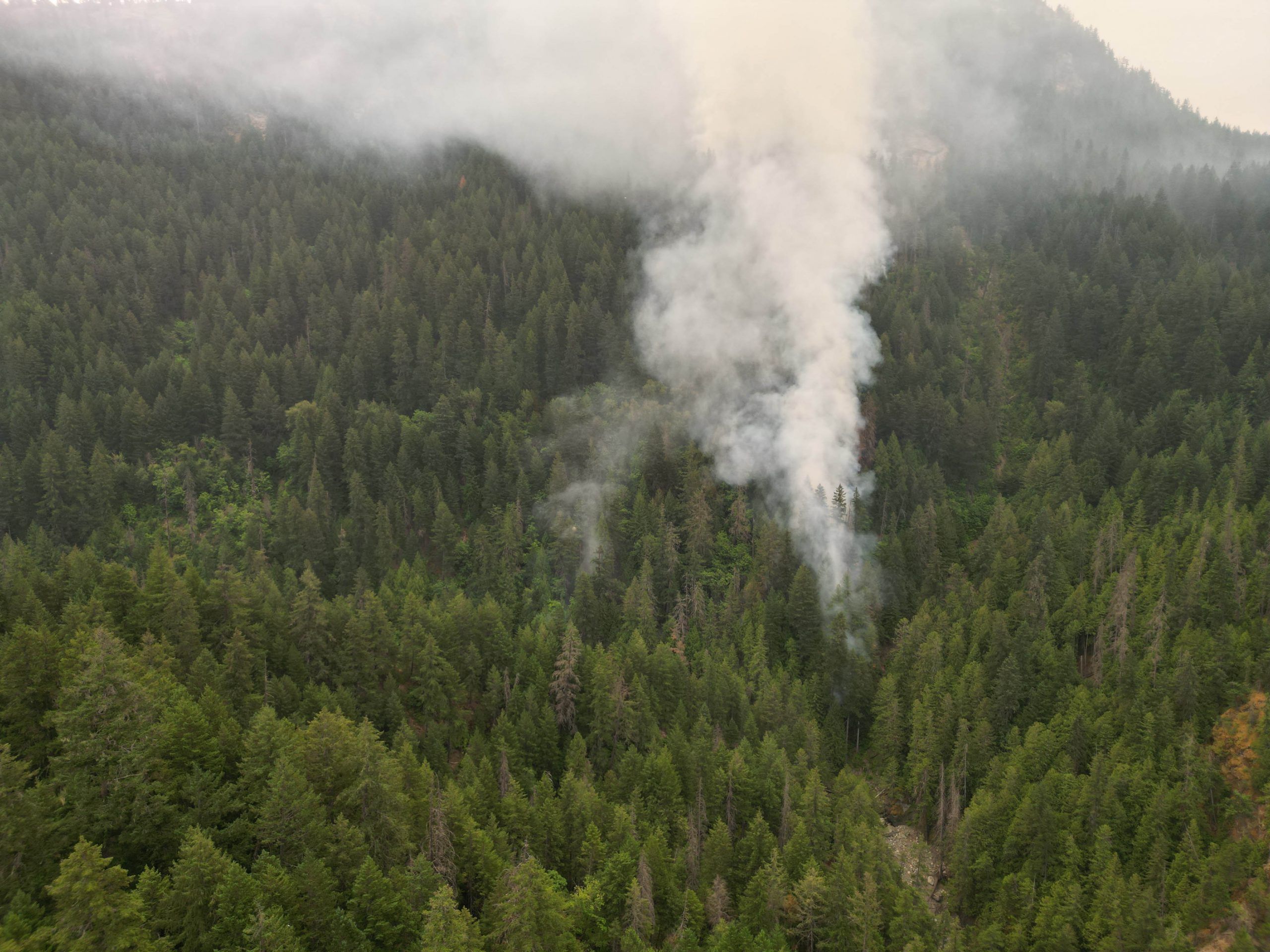
Brunswick Creek wildfire grows, leads to air quality warning in east Fraser Valley
Top
Brunswick Creek wildfire grows, leads to air quality warning in east Fraser Valley
 Top
'A sacred place': Delta park to get dedicated ash-scattering site
Top
'A sacred place': Delta park to get dedicated ash-scattering site
 Top
MLA Jordan Kealy to face jury in sexual assault case
Top
MLA Jordan Kealy to face jury in sexual assault case
 Top
BCWS aircraft helping Kamloops firefighters battle grass fire above Shuswap Road
Top
BCWS aircraft helping Kamloops firefighters battle grass fire above Shuswap Road
More Local Coverage
Latest news Business
AI Market Trends: Q2 2026 Review and Forecast
Business
AI Market Trends: Q2 2026 Review and Forecast
 Politics
Powerful pro-life ad featuring boxing legend to air during final World Cup matches
Politics
Powerful pro-life ad featuring boxing legend to air during final World Cup matches
 Local News
Cowichan sports shorts: rugby, hockey, biking
Local News
Cowichan sports shorts: rugby, hockey, biking