


B.C. says conservation planning is underway to protect 70,000 hectares of Qat'muk, which was formerly the controversial site of a proposed ski hill known as Jumbo Glacier Resort.
Conservation planning for Qat'muk underway between Ktunuxa Nation and B.C. B.C. pauses new mineral claims in area for 3 years Ktunaxa Nation has fought decades through campaigns and court cases to safeguard Qat'muk, a culturally significant pristine mountain area west of Invermere, B.C., about 500 kilometres northeast of Vancouver. "I just remember walking into the Supreme Court and when our case was announced, it wasn't even pronounced properly," said Kathryn Teneese, chair of the Ktunaxa Nation Council. "I immediately thought, 'We're in the wrong place.
I don't think these folks here are gonna get it, what we're trying to do.'" Now, B.C. says conservation planning is underway to protect 70,000 hectares of Qat'muk, which was formerly the controversial site of a proposed ski-hill known as Jumbo Glacier Resort. The planning process includes a three-year pause on new mineral claims within the proposed conservation zone, but existing mineral claims will remain active during planning.
Teneese said her nation is looking to the province to deal appropriately with existing mining tenures. "We don't think it makes sense to talk about a conservation area and then to have continued activity in there that's not really conducive to conservation," said Teneese. "I'd like to think that we're the drivers and that we're involving the province....
we want to make sure that that's the way that this moves forward." Current mining claims in area Qat'muk is one of three conservation planning projects announced by the province last week, including Skagit Headwaters and Rauch Valley, that may encompass around 127,000 hectares of wilderness areas in B.C. Nikki Skuse, director of environmental initiative Northern Confluence, said pausing new mining claims in potential protected areas is typically the first step in designating a conservation zone. The province then needs to buy out existing mining claims made under the Mineral Tenure Act or change the borders of the conservation area, said Skuse.
"It's a pretty old law that really privileges the mining sector," she said. Skuse said while other jurisdictions typically pay out much less or just the cost that has been incurred to date, B.C.'s law allows mineral claim holders to argue a loss of millions of dollars. "So they need to be bought out for a lot of money," said Skuse.
"Somebody goes online and stakes a claim, and that's $1.75 a hectare, and in general, we've been paying out $600 to $800 a hectare when we buy them out." First Nations who disagree with the borders of a conservation area are left to try and negotiate with the province, or seek the remedy of the courts, said Skuse. Public engagement The province said in a news release it will work alongside First Nations, environmental organizations, communities, industry, residents and other partners to ensure conservation efforts align with the interests of people in B.C.
"Recommendations will be drafted through transparent and inclusive planning processes that will include public engagement before any final conservation decisions are made," said the news release. The release noted Shuswap Band "also maintains enduring relationships with these lands and waters" and that Environment and Climate Change Canada has supported advancing these conservation interests. Shuswap Band could not be reached for comment before time of publishing.
Teneese said the Ktunaxa Nation wants to conserve Qat'muk from a cultural perspective, to ensure the opportunity to express cultural beliefs, but also for ecological preservation. "We want people to participate in the conversation and be part of it," said Teneese "It's not in any way intended to exclude anyone .... It's to ensure that we have a place for future generations to experience a piece of the world that is very special.'
- Published
- Jul 13, 2026
- Updated
- Jul 13, 2026
- Source
- Cbc
- Category
- Environment
- Read time
- 3 min
Key facts
Why this matters locally
This environment story matters locally because it may affect readers, businesses, commuters, families, or public services in British Columbia.
Local impact
BC Post links this item to British Columbia coverage so readers can follow related city updates, weather, traffic, events, and category news in one place.
Timeline
Source and credit
BC Post may summarize, organize, and add local context for reader clarity. Original reporting remains with the listed publisher.
Related Articles
View all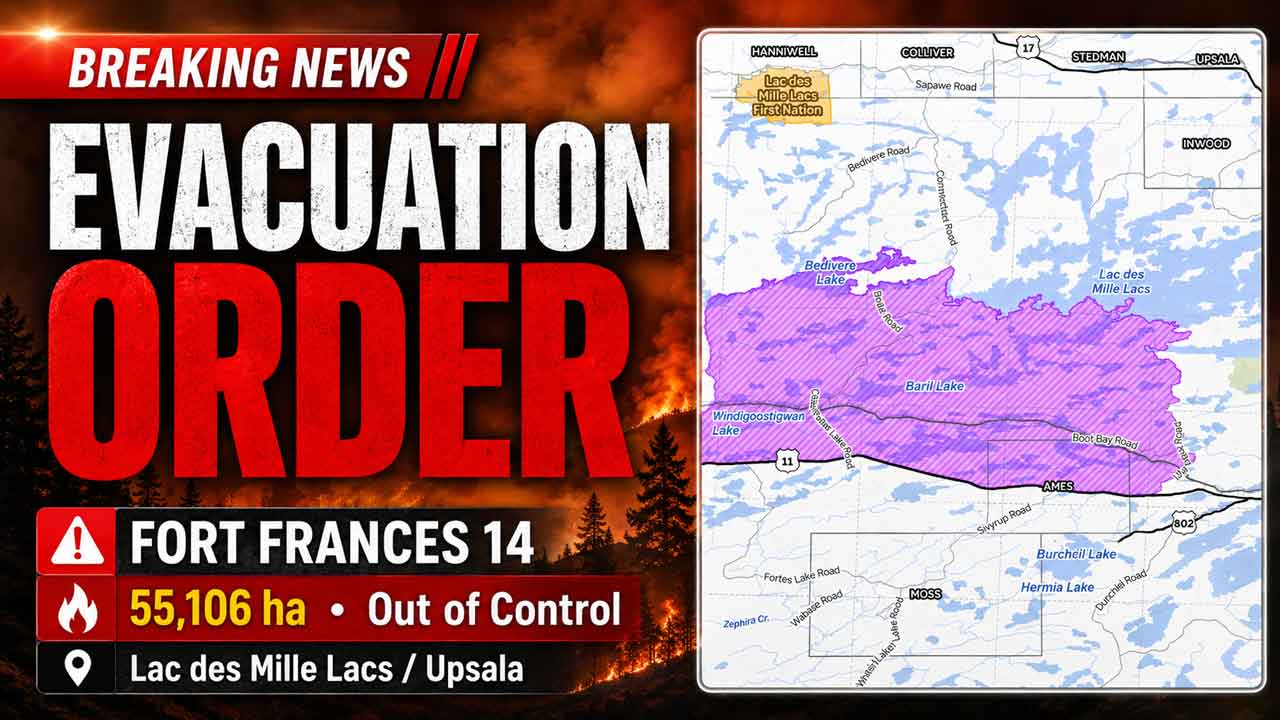 Environment
Updated Evacuation Information for Wildfire Fort Frances 14 (July 17 2026)
Environment
Updated Evacuation Information for Wildfire Fort Frances 14 (July 17 2026)
 Environment
50-hectare wildfire burns between Clearwater and 100 Mile House
Environment
50-hectare wildfire burns between Clearwater and 100 Mile House
 Environment
A powerful movement of healing arrives at Delta’s Discovery Centre
Environment
A powerful movement of healing arrives at Delta’s Discovery Centre
 Environment
2 wildfires north of Anahim Lake currently out-of-control
Environment
2 wildfires north of Anahim Lake currently out-of-control
 Environment
Port Coquitlam mayor launches program that removes graffiti on public property within 48 hours
Environment
Port Coquitlam mayor launches program that removes graffiti on public property within 48 hours
 Environment
'Fending for ourselves' after Manitoba wildfire forces evacuation: O-Pipon-Na-Piwin leaders
Environment
'Fending for ourselves' after Manitoba wildfire forces evacuation: O-Pipon-Na-Piwin leaders
More Local Coverage
Latest news Business
AI Market Trends: Q2 2026 Review and Forecast
Business
AI Market Trends: Q2 2026 Review and Forecast
 Politics
Powerful pro-life ad featuring boxing legend to air during final World Cup matches
Politics
Powerful pro-life ad featuring boxing legend to air during final World Cup matches
 Local News
Cowichan sports shorts: rugby, hockey, biking
Local News
Cowichan sports shorts: rugby, hockey, biking