


“That’s a first for me!” came The Weather Network on Sunday morning (some very observant retired dairy farmer’s wife, who has the most popular Sunday morning show on radio, told me before I got up). My family has lived in Pontiac County since the early 1820’s and have never witnessed a dust storm! My grandpa [...] The post Dust storm warning! appeared first on The Equity .
“That’s a first for me!” came The Weather Network on Sunday morning (some very observant retired dairy farmer’s wife, who has the most popular Sunday morning show on radio, told me before I got up). My family has lived in Pontiac County since the early 1820’s and have never witnessed a dust storm! My grandpa and dad talked about “The dirty 30s” in the west when dust storms blew for weeks on end and many farms lost all their topsoil when it blew into “drifts” like snow and covered fences, machinery, and was deep enough that house doors couldn’t open because the dust was half way up on the door!
Many farms were left worthless and farming families just walked away from their farms. Some families were taken in by some kind neighbours whose soil didn’t blow away. So, what happened?
Apparently for many years, all western grain farmers planted their fields every “second year” and “summer fallowed” the field the other year, giving the field a year to regain moisture and maybe a little organic matter from volunteer grass and weeds. But, when margins got tight, some farmers planted every field every year to get more grain to sell and keep the banker off their back. After a few years of tillage every year, the organic matter was gone and also the soil moisture, so when dry, strong winds blew for weeks on end, entire farm soil dried up and blew away in the wind, hence the name “Dirty 30s”.
Back then, there was no such thing as “cover crops” planted to hold moisture and help bring a little organic matter back to farms that didn’t have livestock to contribute manure or add hay to the fields needed to feed the cattle or horses. Those hay roots added organic matter when it was plowed down in the rotation. That was also just when tractors started to replace horses.
Tractors don’t eat hay! I think it was the fifth of June 2026 when I saw my first “dust storm”. When I looked out the window, I thought that big thunderstorm was coming because of the giant cloud behind the house!
When I went outside, it didn’t look like rain, so I went for a little drive west towards the cloud. Then I thought it was smoke from a forest fire because fire season had just begun in the west. As I continued west, I noticed that the cloud was brown, not black.
One of our newest tractors (only 15 years old) with air conditioning and nice tight windows and doors that were all closed, was sitting just beside the field where the brown dust cloud came from. After the dust settled (about half an hour) that tractor cab had a thick layer of dust “inside” the cab, even though the windows and doors were all closed tight! Why did only that field get affected by the wind?
It was the field the farthest away from the barn on that farm that hadn’t had animals on it for several years. We always try to feed “low potassium” hay to our dry cows to reduce the cow’s chance of getting “milk fever” when she calves. An old nutritionist friend of mine once told me to use the hay from a field the farthest away from the barn, because those fields usually received less manure!
A few years ago, our farm participated in a preliminary study on how we managed carbon. The study was quite complete in checking all inputs and sales of milk, beef, grain, and hay. They checked the kind of tillage used, how fields were left for winter, (bare ground or covered) the amount of commercial fertilizer used and where manure both dry and liquid was used.
The two largest challenges for our farm were to use a cover crop on every field that now remains bare in the winter to reduce wind and water erosion. The largest challenge is to compost the liquid manure to reduce nitrogen loss and reduce smell (smell is nitrogen oxide or money escaping). If we cover the manure lagoons with chopped straw or a cover that was pioneered in Holland and agitate without spraying the manure in the air.
If manure is agitated a few days before spreading, the nitrogen is stabilized and there is much less odor. Yes, dairy farmers can become “carbon neutral” by 2050 and save money and reduce erosion too. You may also notice now that corn stalks, straw from grain, and soybean straw is spread and left on fields to help retain organic matter.
This practice also reduces both wind and water erosion. As new methods of weed control that increase population of microscopic soil life are incorporated, this will also reduce the need for chemical fertilizers, also reducing costs to the farmer and eventually for the consumers too! We must encourage our politicians to engage more scientists to work on the reduction of herbicide, insecticide, and bactericide use which would not only reduce the farmers expense but also reduce sickness in animals and humans.
Increasing nutrient density while decreasing yield would reduce transportation costs while increasing the value of the food that we now eat. This could open up new more profitable markets for Canadian farmers. This would reduce the outrageous health care cost at a time when we are short of doctors and health care workers.
Farmers have discovered years ago that it is less expensive to feed an animal to be healthy than it is to try to save them once they are sick! People too? Chris Judd is a farmer in Clarendon on land that has been in his family for generations.
The post Dust storm warning! appeared first on The Equity .
- Published
- Jul 14, 2026
- Updated
- Jul 14, 2026
- Source
- The Equity
- Category
- Top
- Read time
- 4 min
Key facts
Why this matters locally
This top story matters locally because it may affect readers, businesses, commuters, families, or public services in British Columbia.
Local impact
BC Post links this item to British Columbia coverage so readers can follow related city updates, weather, traffic, events, and category news in one place.
Timeline
Source and credit
BC Post may summarize, organize, and add local context for reader clarity. Original reporting remains with the listed publisher.
Related Articles
View all Top
Rock the Lake celebrated its ninth year at Prospera Place this past weekend
Top
Rock the Lake celebrated its ninth year at Prospera Place this past weekend
 Top
Million-dollar contract awarded for Surrey Sport & Leisure Complex renos
Top
Million-dollar contract awarded for Surrey Sport & Leisure Complex renos
 Top
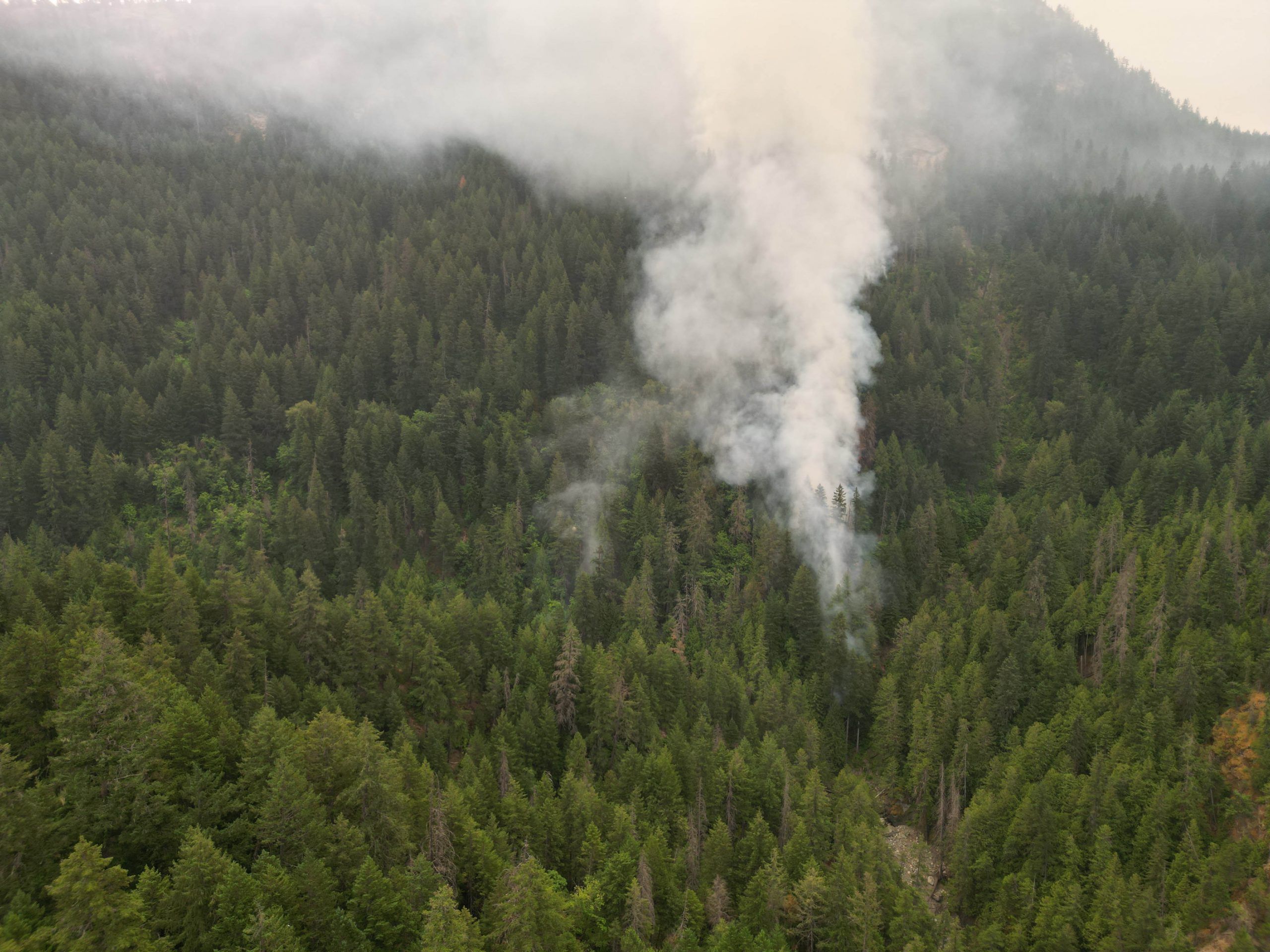
Brunswick Creek wildfire grows, leads to air quality warning in east Fraser Valley
Top
Brunswick Creek wildfire grows, leads to air quality warning in east Fraser Valley
 Top
'A sacred place': Delta park to get dedicated ash-scattering site
Top
'A sacred place': Delta park to get dedicated ash-scattering site
 Top
MLA Jordan Kealy to face jury in sexual assault case
Top
MLA Jordan Kealy to face jury in sexual assault case
 Top
BCWS aircraft helping Kamloops firefighters battle grass fire above Shuswap Road
Top
BCWS aircraft helping Kamloops firefighters battle grass fire above Shuswap Road
More Local Coverage
Latest news Business
AI Market Trends: Q2 2026 Review and Forecast
Business
AI Market Trends: Q2 2026 Review and Forecast
 Politics
Powerful pro-life ad featuring boxing legend to air during final World Cup matches
Politics
Powerful pro-life ad featuring boxing legend to air during final World Cup matches
 Local News
Cowichan sports shorts: rugby, hockey, biking
Local News
Cowichan sports shorts: rugby, hockey, biking