


A pair of U.S. Environmental Protection Agency officials toured Eastman Chemical Corp. to better understand how the company operates its chemical recycling plant in Tennessee.
The U.S. Environmental Protection Agency continues to show interest in chemical recycling of plastics as two agency officials recently took a first-hand look at operations at Eastman Chemical Co.’s methanolysis plant in Tennessee. Both EPA Principal Deputy Assistant Administrator Steven Cook and Regional Administrator Kevin McOmber were in Kingsport, Tenn., to tour the company’s recycling facility that can handle 250 million pounds of recycled polyester each year. “The advanced recycling work happening in Tennessee demonstrates how cutting-edge American engineering can keep plastic waste out of landfills, increase demand for recycled products, and create high-quality manufacturing jobs right here in our region,” McOmber said in a statement.
Eastman uses methanol to break down waste plastics into their molecular constituents — dimethyl terephthalate and ethylene glycol — that then can be used to make new plastics. “Eastman’s Kingsport site is a powerful example of how innovation can help solve real-world materials challenges,” said Steve Crawford, Eastman executive vice president and chief technology and sustainability officer said in a statement. The recent visit follows EPA Administrator Lee Zeldin’s visit last fall to ExxonMobil Corp.’s chemical recycling facility in Baytown, Texas.
That location is designed to primarily recycle high- and low-density polyethylene and polypropylene with lower amounts of other polymers. The company’s Exxtend-branded process uses pyrolysis to break down plastics. Exxtend uses heat and pressure to transform used plastic into ethane and naphtha that are then used at the Baytown refinery to make new products.
- Published
- Jul 16, 2026
- Updated
- Jul 16, 2026
- Source
- Plasticsnews
- Category
- Environment
- Read time
- 1 min
Key facts
Why this matters locally
This environment story matters locally because it may affect readers, businesses, commuters, families, or public services in British Columbia.
Local impact
BC Post links this item to British Columbia coverage so readers can follow related city updates, weather, traffic, events, and category news in one place.
Timeline
Source and credit
BC Post may summarize, organize, and add local context for reader clarity. Original reporting remains with the listed publisher.
Related Articles
View all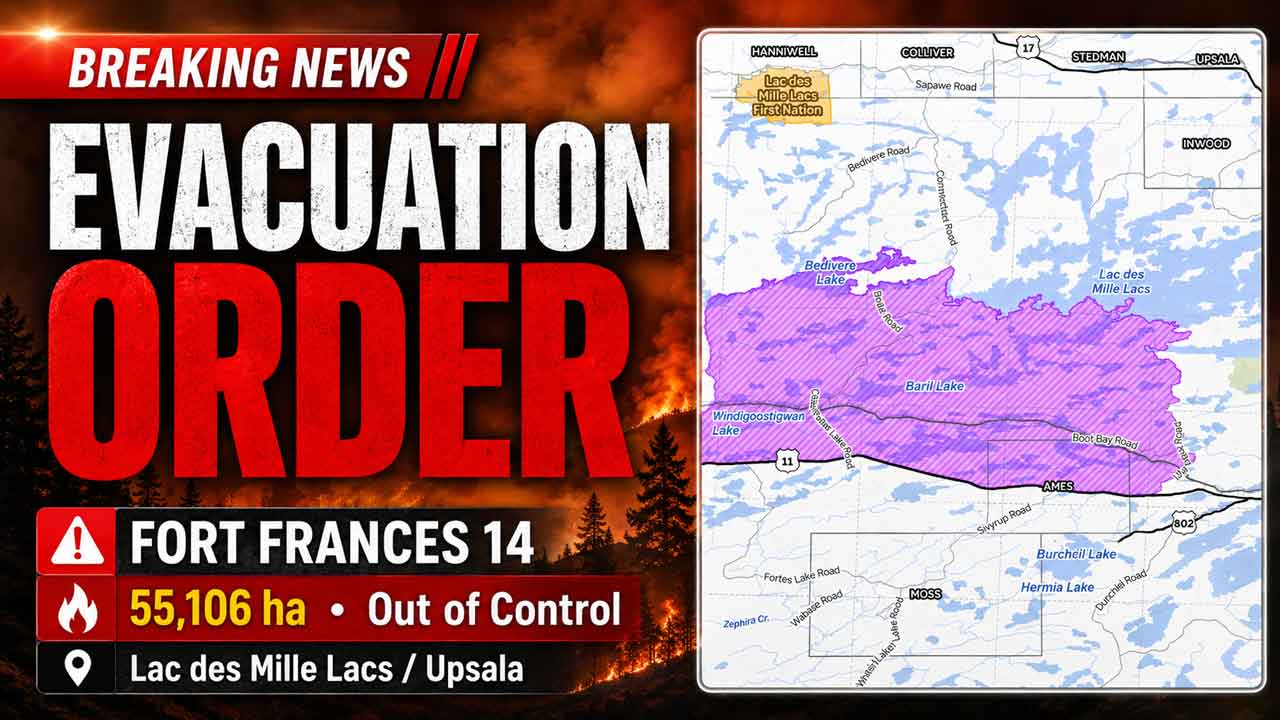 Environment
Updated Evacuation Information for Wildfire Fort Frances 14 (July 17 2026)
Environment
Updated Evacuation Information for Wildfire Fort Frances 14 (July 17 2026)
 Environment
50-hectare wildfire burns between Clearwater and 100 Mile House
Environment
50-hectare wildfire burns between Clearwater and 100 Mile House
 Environment
2 wildfires north of Anahim Lake currently out-of-control
Environment
2 wildfires north of Anahim Lake currently out-of-control
 Environment
A powerful movement of healing arrives at Delta’s Discovery Centre
Environment
A powerful movement of healing arrives at Delta’s Discovery Centre
 Environment
'Fending for ourselves' after Manitoba wildfire forces evacuation: O-Pipon-Na-Piwin leaders
Environment
'Fending for ourselves' after Manitoba wildfire forces evacuation: O-Pipon-Na-Piwin leaders
 Environment
Port Coquitlam mayor launches program that removes graffiti on public property within 48 hours
Environment
Port Coquitlam mayor launches program that removes graffiti on public property within 48 hours
More Local Coverage
Latest news Business
AI Market Trends: Q2 2026 Review and Forecast
Business
AI Market Trends: Q2 2026 Review and Forecast
 Politics
Powerful pro-life ad featuring boxing legend to air during final World Cup matches
Politics
Powerful pro-life ad featuring boxing legend to air during final World Cup matches
 Local News
Cowichan sports shorts: rugby, hockey, biking
Local News
Cowichan sports shorts: rugby, hockey, biking