


By Kate Abnett BRUSSELS, July 17 (Reuters) - The European Commission proposed sweeping changes on Friday to the EU's emissions trading system, Europe's biggest climate policy, allowing industries to
By Kate Abnett BRUSSELS, July 17 (Reuters) - The European Commission proposed sweeping changes on Friday to the EU's emissions trading system, Europe's biggest climate policy, allowing industries to emit CO2 longer while offering more financial support to invest in clean technologies. Here's what you need to know.
SPEED OF CO2 CUTS The European Union's ETS forces power plants and heavy industries to buy a permit for every metric ton of CO2 they emit, and caps the number of permits released each year to make sure emissions gradually decrease. The Commission proposed slowing the rate at which this cap declines, lowering the "linear reduction factor" to 3.7% in 2031 and 1.7% in 2036 from 4.3% today, effectively slowing the rate at which companies will have to cut emissions.
The proposals would also halve to 12%, from 24% today, the rate at which a "market stability reserve" adds or removes permits from the ETS if supply fluctuates dramatically. Both changes mean more CO2 permits will remain available in future years for industries to buy, giving them leeway to emit more. The EU will also buy international carbon offset credits to cover 2% of the emissions reductions required by ETS sectors from 2036, softening the efforts required by domestic industries.
While the changes will slow down the ETS, the Commission said they were designed to make sure the system still meets the EU's 2040 climate goal to cut net emissions by 90%. The ETS covers around 40% of EU emissions. FREE PERMITS
The Commission proposed giving heavy industries free CO2 permits until 2038, rather than ending them in 2034, when they were due to be replaced by the EU's carbon border charge on imports for sectors including steel and cement manufacturing. As a result, the EU will delay the full phase-in of the carbon border levy to 2038. The free permits are no free lunch.
The Commission wants to attach conditions to them, granting 80% upfront to companies that have plans to invest in decarbonisation in Europe. Companies would get the remaining 20% only after those investments are made. As a reward to firms investing in cutting CO2, the 10% most efficient industrial installations won't face these conditions.
The EU proposed giving industries more free permits overall than currently planned, by reducing the "benchmark" rate which cuts these handouts each year to 2% from 2030 from 2.5% today. A separate, fast-tracked proposal will also soften these benchmarks for 2026 to 2030, handing industries extra free permits worth €6 billion ($6.86 billion), the Commission said.
- Published
- Jul 17, 2026
- Updated
- Jul 17, 2026
- Source
- Yahoo! News
- Category
- Sports
- Read time
- 2 min
Key facts
Why this matters locally
This sports story matters locally because it may affect readers, businesses, commuters, families, or public services in British Columbia.
Local impact
BC Post links this item to British Columbia coverage so readers can follow related city updates, weather, traffic, events, and category news in one place.
Timeline
Source and credit
BC Post may summarize, organize, and add local context for reader clarity. Original reporting remains with the listed publisher.
Related Articles
View all Sports
Thoughts turn to legacy as full-time whistle nears for Vancouver's World Cup
Sports
Thoughts turn to legacy as full-time whistle nears for Vancouver's World Cup
 Sports
Huge parade of naked cyclists promote 'less gas, more ass' in Vancouver
Sports
Huge parade of naked cyclists promote 'less gas, more ass' in Vancouver
 Sports
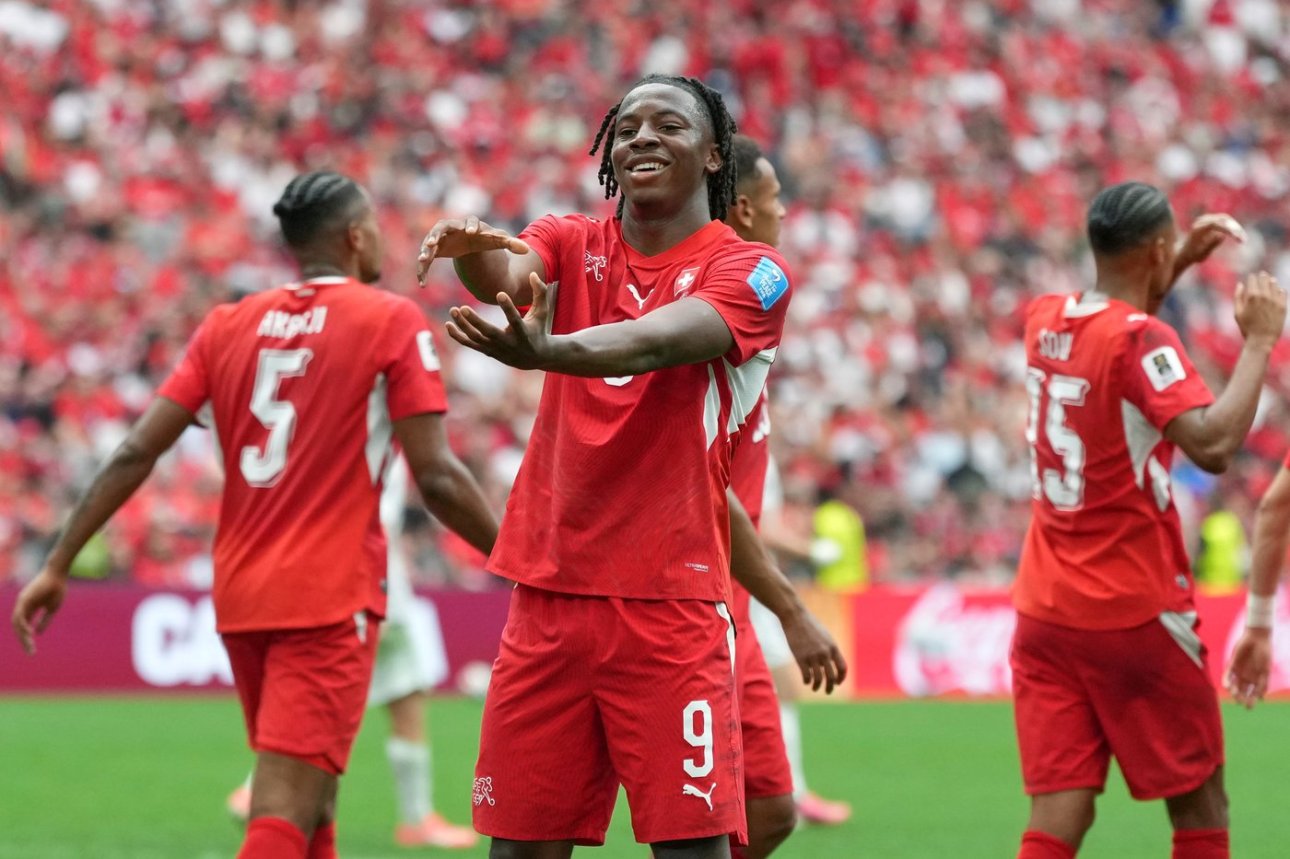
Swiss breakout star Manzambi and 2 others leave training ahead of World Cup clash with Colombia
Sports
Swiss breakout star Manzambi and 2 others leave training ahead of World Cup clash with Colombia
 Sports
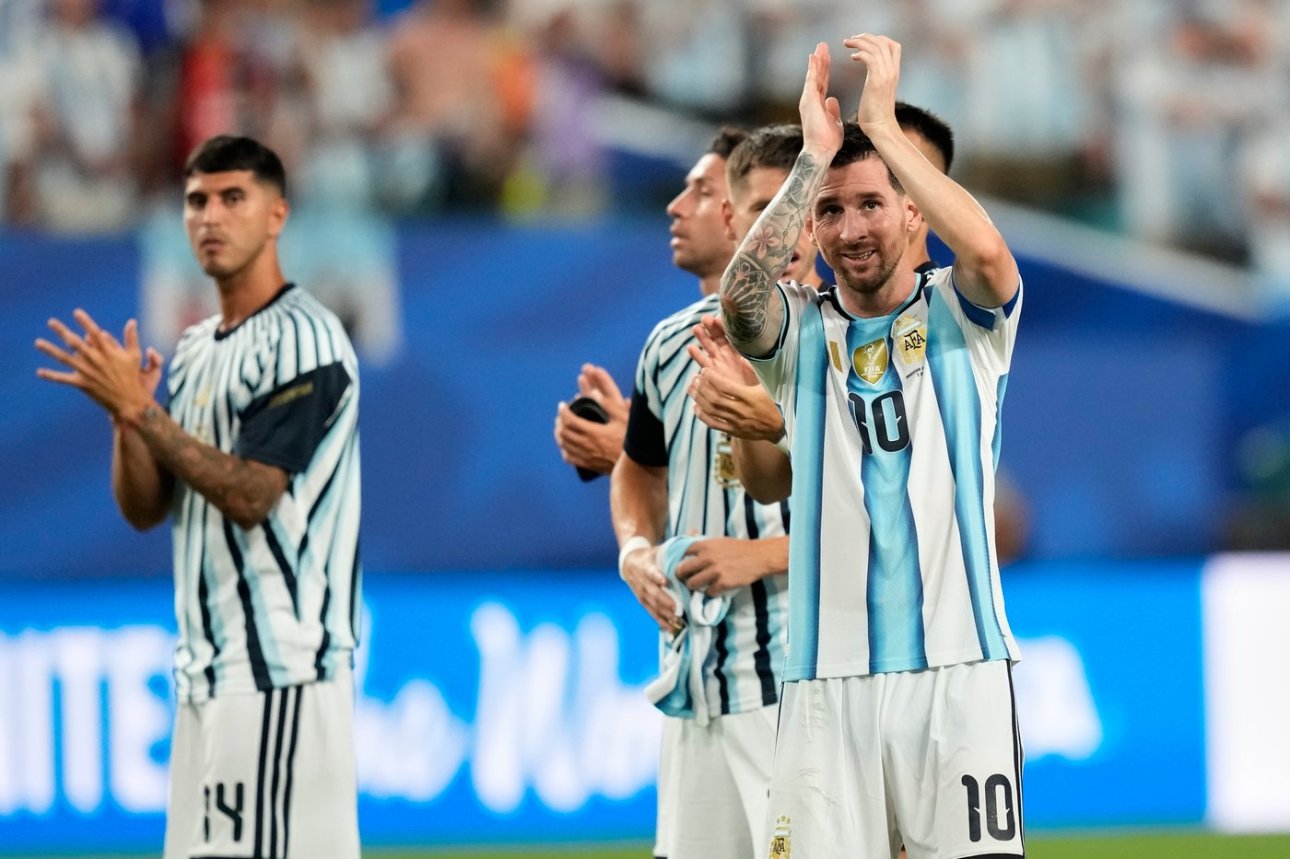
World Cup what to know: Argentina’s Lionel Messi faces Egypt’s Mohamed Salah for spot in quarters
Sports
World Cup what to know: Argentina’s Lionel Messi faces Egypt’s Mohamed Salah for spot in quarters
 Sports
Annual Windsor bike show fuels support for 5 Windsor-Essex food banks
Sports
Annual Windsor bike show fuels support for 5 Windsor-Essex food banks
 Sports
Sidney teen to represent Canada at world paddling championships
Sports
Sidney teen to represent Canada at world paddling championships
More Local Coverage
Latest news Business
AI Market Trends: Q2 2026 Review and Forecast
Business
AI Market Trends: Q2 2026 Review and Forecast
 Politics
Powerful pro-life ad featuring boxing legend to air during final World Cup matches
Politics
Powerful pro-life ad featuring boxing legend to air during final World Cup matches
 Local News
Cowichan sports shorts: rugby, hockey, biking
Local News
Cowichan sports shorts: rugby, hockey, biking