

Refused to blame race, class, gender or political party, for evils that afflicted him
Article content Aleksandr Solzhenitsyn: “There are neither good people nor bad people, but individuals struggling between good and evil from within.” (Gulag Archipelago) Annie Holmquist, cultural commentator, writes, “Have the news and images of chaos that besiege you become normal in your life?
You are not alone.” Recommended Videos Social media comments or headlines pit various classes, genders, or political parties against each other. Life became a never-ending stream of victimhood and blame against any sign of sanity.
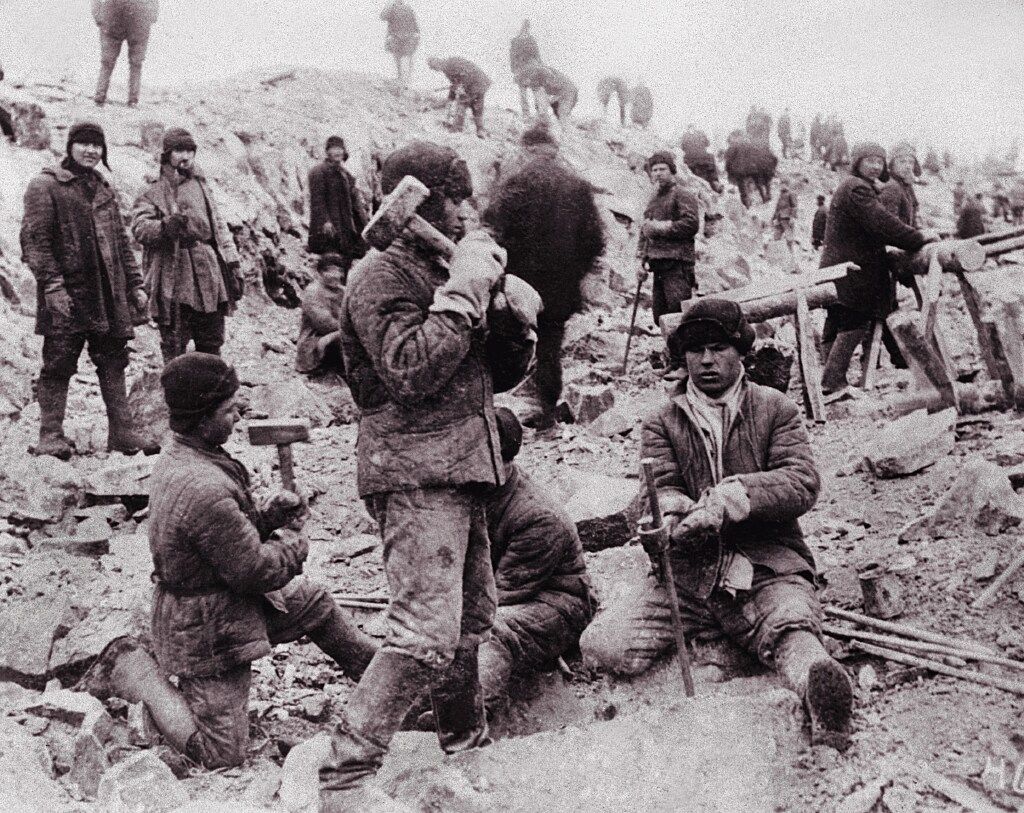
Although a decorated commander in the Russian army in the Second World War, Solzhenitsyn was imprisoned for privately disparaging dictator Joseph Stalin. But his years in prison gave him striking insight into the reality of human nature. “It was granted me to carry away from my prison years this one experience: how a human being becomes evil and how good.
In my youth I had felt myself to be infallible and cruel. I was a murderer and oppressor. In my most evil moments I convinced myself I was doing good, and justified by my arguments.
“It was only when I lay on rotting prison straw that I sensed within myself the first stirrings of good. I discovered gradually that the line separating good and evil passes not through states, nor classes, nor political parties either, but right through every human heart. This line shifts inside us, with the years.
And even within hearts overwhelmed by evil, one small bridgehead of good is retained. “Since then, I understand the truth of all the religions: They struggle with the evil inside every human being. It is impossible to expel evil from the world in its entirety, but it is possible to constrict it within each person.”
Solzhenitsyn recognizes the problem with revolutions: “They destroy only those carriers of evil contemporary with them. And then take to themselves as their heritage the actual evil itself, magnified more.” What strikes Holmquist most is that Solzhenitsyn had every right to be a “victim.”
His regular persecution gave him a much bigger claim to victimhood than any “victim” today. He had years in prison to examine his own heart and recognized that he was just as much at fault for the evil problems in the world as were his persecutors. Yet Solzhenitsyn refused to claim he was a victim, and refused to blame race, or class, or gender, or political party (and even the Russian people) for the evils in the world that afflicted him.
Holmquist wonders how much noise and confusion today would be solved if we each did as Solzhenitsyn. Instead of pinning the problems and chaos in our world on those who oppose or don’t agree with us, and painting ourselves as the victim, what if we first recognize the part we have played in making the world and ourselves what they are? If we did so, perhaps we, like Solzhenitsyn, would be able to label our trials and persecutions a blessing.
“Bless you, prison, for having been in my life!” – Aleksandr Solzhenitsyn From Intellectual Takeout by Annie Holmquist. Reach Gene Monin at adios43@yahoo.com
- Published
- Jul 13, 2026
- Updated
- Jul 13, 2026
- Source
- The Sault Star
- Category
- Politics
- Read time
- 2 min
Key facts
Why this matters locally
This politics story matters locally because it may affect readers, businesses, commuters, families, or public services in British Columbia.
Local impact
BC Post links this item to British Columbia coverage so readers can follow related city updates, weather, traffic, events, and category news in one place.
Timeline
Source and credit
BC Post may summarize, organize, and add local context for reader clarity. Original reporting remains with the listed publisher.
Related Articles
View all Politics
Powerful pro-life ad featuring boxing legend to air during final World Cup matches
Politics
Powerful pro-life ad featuring boxing legend to air during final World Cup matches
 Politics
Vaughn Palmer: David Eby's slow and expensive step toward involuntary care
Politics
Vaughn Palmer: David Eby's slow and expensive step toward involuntary care
 Politics
Corus rebuts misinformation about future of Global News in Alberta after layoffs
Politics
Corus rebuts misinformation about future of Global News in Alberta after layoffs
 Politics
Pitt Meadows to host information session for city council candidates
Politics
Pitt Meadows to host information session for city council candidates
 Politics
‘No consequences’: East Van woman says she was targeted by hate-motivated assault
Politics
‘No consequences’: East Van woman says she was targeted by hate-motivated assault
 Politics
Hundreds of enthusiatic supporters attend Surrey Mayor Brenda Locke’s fundarising dinner
Politics
Hundreds of enthusiatic supporters attend Surrey Mayor Brenda Locke’s fundarising dinner
More Local Coverage
Latest news Business
AI Market Trends: Q2 2026 Review and Forecast
Business
AI Market Trends: Q2 2026 Review and Forecast
 Local News
Cowichan sports shorts: rugby, hockey, biking
Local News
Cowichan sports shorts: rugby, hockey, biking