


The International Energy Agency expects demand to rebound in 2027, but analysts question whether the Iran war could hasten a long-term decline.
This story was originally published by Inside Climate News and appears here as part of the Climate Desk collaboration Global oil demand, disrupted by the Iran war, is poised to shrink in 2026, the first time that’s happened since the COVID-19 pandemic, the International Energy Agency said on Friday. What’s unclear is how the conflict will influence the long-term trajectory of oil demand, which is a vital concern as the world looks to reduce fossil fuel use to avoid the worst effects of climate change. The IEA, in its monthly oil report, predicts global oil demand of 103.5 million barrels per day in 2026, which would be down 1 per cent from the prior year.
But the decrease wouldn’t be a multi-year trend. Demand would grow in 2027, with 105.5 million barrels per day, an increase of 2 per cent from 2026. The Paris-based agency said the market is reacting to the changing security situation in the Strait of Hormuz, a major transit point for oil.
Shipments in the strait dropped almost to zero in February under a military blockade and have been slow to resume as the conflict continues. “Renewed exchanges of fire in the Gulf this week highlight the risks of not reaching a lasting peace agreement, which is a must for the normalization in oil markets,” the IEA said. The war has contributed to gasoline price hikes in the United States.
But the country is set to buck the global trend and increase its oil demand this year, the report said. China, the world’s second-largest oil consumer after the United States, would see a reduction in demand. But the changes for the world, United States and China are all small, to the point that they are barely visible when charted.
One of the larger questions for energy analysts is whether the Iran war will lead to a long-term reduction in oil demand relative to what it would have been without the war. “I think the events of the past few months in Iran will have an effect and are likely to hasten the secular decrease in oil demand that we think is coming at some point,” said Samantha Gross, director of the Energy Security and Climate Initiative at the Brookings Institution, a think tank. “I think this disruption has been big enough, and, honestly, scary enough, that it is likely to change behavior both on policies and on the part of consumers.”
One way to frame the issue is to look at how the IEA discussed potential long-term peaks in oil demand in its World Energy Outlook in November. Under current policies, demand would continue rising through the end of the forecast period in 2050. The report also showed how the peak could happen much sooner with policy changes.
The next edition of the report, due this fall, is likely to show how this outlook has changed. While it’s unclear how much demand will recover, the war’s short-term effect is becoming clearer. The ramifications are substantial, for consumers paying more for fuel and for companies revising investment decisions, said Kenneth Medlock III, a fellow at the Baker Institute for Public Policy at Rice University.
“I’ve been calling it ‘The Year of the Shock,’” he said. Just like there was a recovery after COVID, he expects oil demand to recover. But much will depend on the size of the recovery and whether the investments that did not happen in 2026 were delayed rather than canceled.
- Published
- Jul 17, 2026
- Updated
- Jul 17, 2026
- Source
- Canada’s National Observer
- Category
- Politics
- Read time
- 3 min
Key facts
Why this matters locally
This politics story matters locally because it may affect readers, businesses, commuters, families, or public services in British Columbia.
Local impact
BC Post links this item to British Columbia coverage so readers can follow related city updates, weather, traffic, events, and category news in one place.
Timeline
Source and credit
BC Post may summarize, organize, and add local context for reader clarity. Original reporting remains with the listed publisher.
Related Articles
View all Politics
Powerful pro-life ad featuring boxing legend to air during final World Cup matches
Politics
Powerful pro-life ad featuring boxing legend to air during final World Cup matches
 Politics
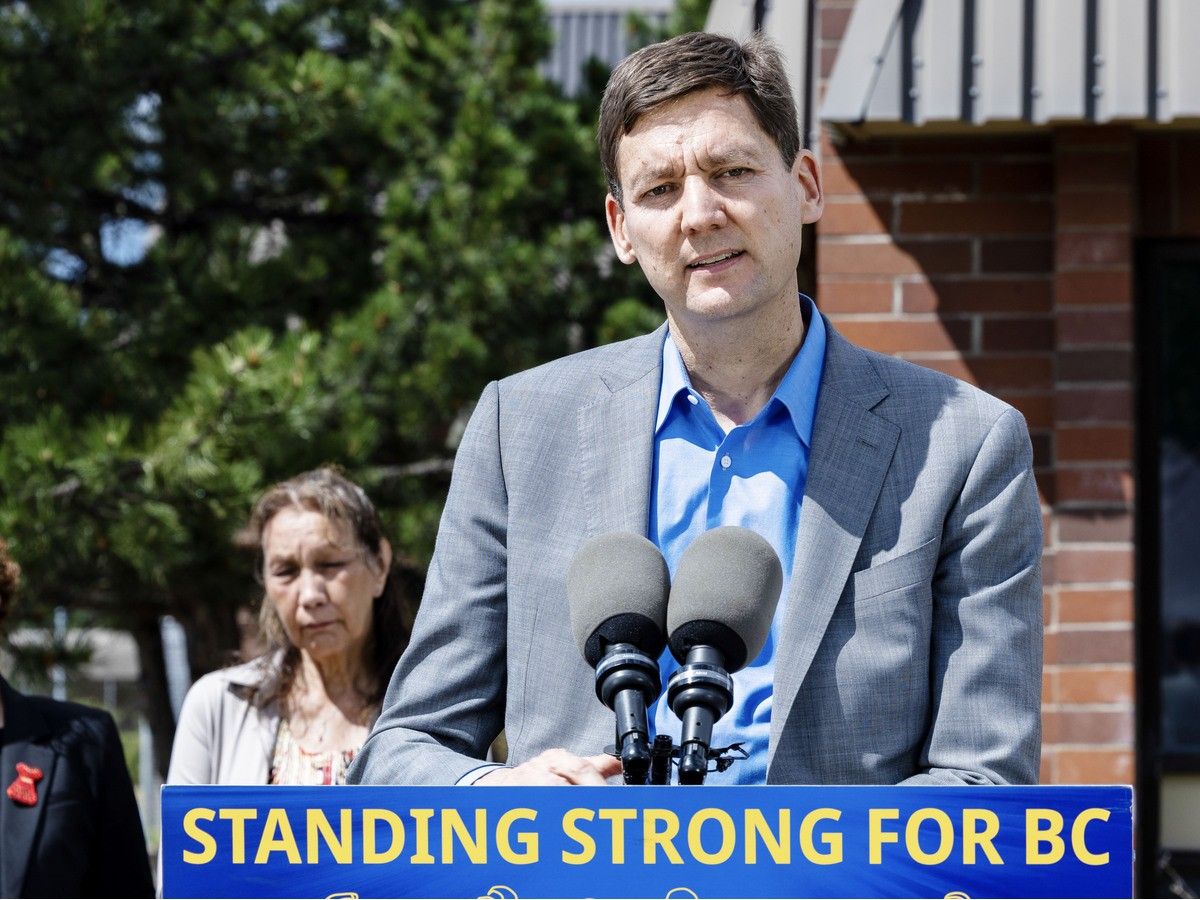
Vaughn Palmer: David Eby's slow and expensive step toward involuntary care
Politics
Vaughn Palmer: David Eby's slow and expensive step toward involuntary care
 Politics
Pitt Meadows to host information session for city council candidates
Politics
Pitt Meadows to host information session for city council candidates
 Politics
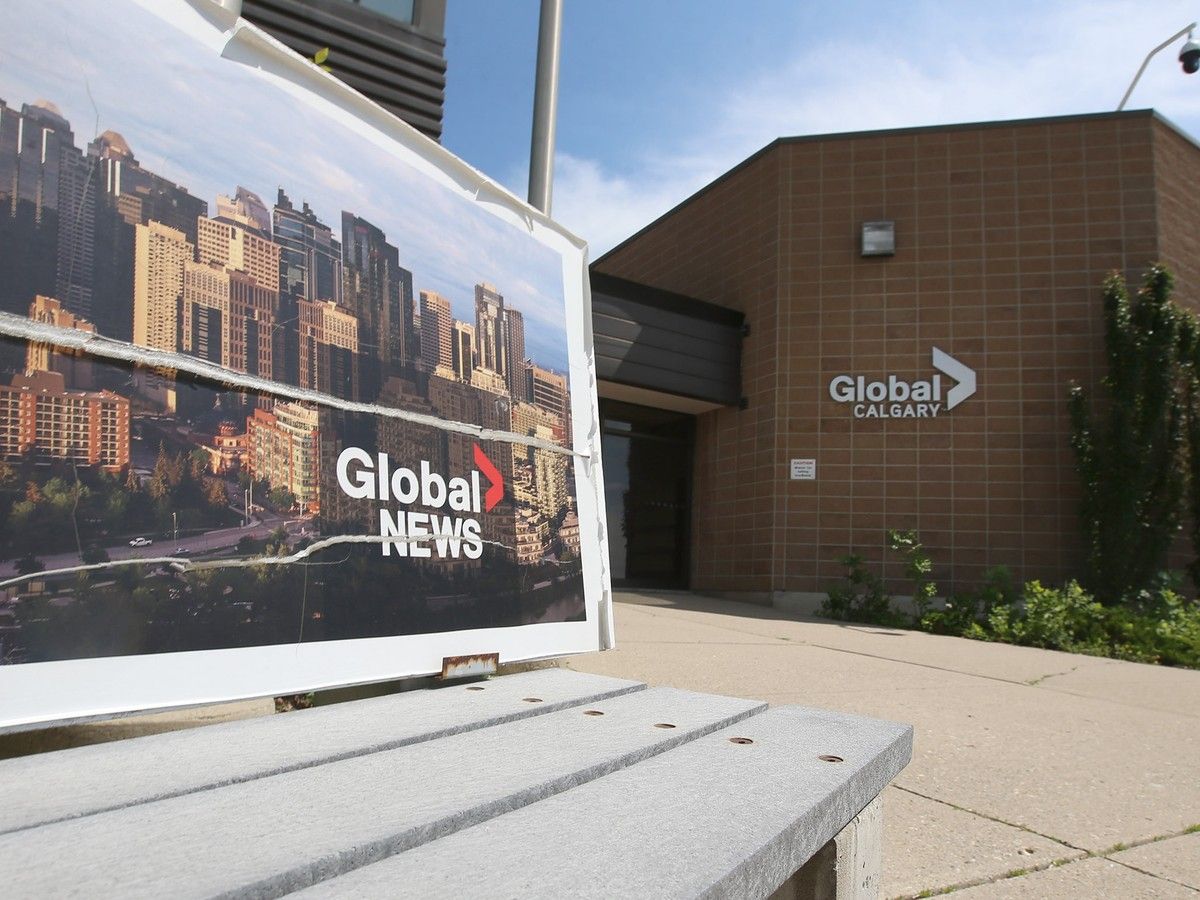
Corus rebuts misinformation about future of Global News in Alberta after layoffs
Politics
Corus rebuts misinformation about future of Global News in Alberta after layoffs
 Politics
‘No consequences’: East Van woman says she was targeted by hate-motivated assault
Politics
‘No consequences’: East Van woman says she was targeted by hate-motivated assault
 Politics
Hundreds of enthusiatic supporters attend Surrey Mayor Brenda Locke’s fundarising dinner
Politics
Hundreds of enthusiatic supporters attend Surrey Mayor Brenda Locke’s fundarising dinner
More Local Coverage
Latest news Business
AI Market Trends: Q2 2026 Review and Forecast
Business
AI Market Trends: Q2 2026 Review and Forecast
 Local News
Cowichan sports shorts: rugby, hockey, biking
Local News
Cowichan sports shorts: rugby, hockey, biking