

When I acquired my seaside home years ago on Mexico’s Yucatan Gulf Coast, I learned instantly that the Yucatan routinely broils for most of the year with temperatures in the [...]
To continue reading, please subscribe: Digital Subscription One year of digital access for only $205* - Enjoy unlimited reading on winnipegfreepress.com - Read the E-Edition, our digital replica newspaper - Access News Break, our award-winning app - Play interactive puzzles To continue reading, please subscribe: Add Free Press access to your Brandon Sun subscription for only an additional $1 for the first 4 weeks* When I acquired my seaside home years ago on Mexico’s Yucatan Gulf Coast, I learned instantly that the Yucatan routinely broils for most of the year with temperatures in the mid-40s; by mid-afternoon, the house interior soared to 35 C or so, in 90 per cent humidity, and stepping outside was like entering a blast furnace.
The heat is punctuated periodically by wild thunderstorms that flood sand streets and turn roads into lakes for days. Similar, in fact, to the summer we’ve had here so far this year. I needed my air conditioning.
But electricity in Mexico is devilishly costly, generated by burning diesel fuel, so I installed solar panels. My energy bills plummeted from around 6,000 pesos to 50 pesos — the Comisión Federal de Electricidad’s minuscule administration fee. I was no longer contributing to the world’s soaring carbon emissions and because I generated more energy than I used, and returned that power to the grid, CFE was burning a few less gallons of diesel.
While lowering electricity bills, I was also doing the ‘right thing’, planet-wise. Too little. Too late.
Yucatan-blast-furnace level is now the summer weather we can expect with increasing frequency here — not 20 years away, but this year. More so next year. And so on ...
Over 1,300 people died during Europe’s recent heat wave. Shortly after, the United States issued extreme heat warnings to more than 45 million of its people. Eastern Canada roasted through Canada Day, while here at home storms with torrential rains and a few tornadoes caused flooding and damage in parts of Manitoba.
And it’s wildfire season again. This is our new normal. Although we in Canada will not meet our carbon emission reduction targets over the next decade (as if we have up to this point, anyway) and we’re going to sell more oil and gas as we build the pipelines to do it, we might note that, given all that, Canada’s carbon emissions have been lower, year by year, for the past decade.
The primary fuellers of the disaster unfolding upon us are doing the opposite. Of the 1.1 per cent rise in emissions in 2025, more than a third of that increase came from the world’s second biggest carbon emissions offender, the U.S. The world’s most obscene emissions belcher, China, recorded a 0.3 per cent rise.
North America (with the blame entirely on the shoulders of 342 million gas-guzzling Americans) racked up the world’s largest absolute increase, with emissions rising by nearly three per cent from 2024 to 2025. That blew up a 10-year trend of falling emissions on this continent. Per person in 2025, Americans spewed out nearly double the amount the Chinese did — at 15.36 tonnes of carbon dioxide per American versus 8.92 tonnes per person for the 1.41 billion Chinese.
Effectively, the U.S. is the world’s biggest carbon glutton and flat-out does not care. Trump is busily cancelling climate change mitigation and research, eliminating renewable energy projects, and encouraging the gobbling of more fossil fuels and more coal. The oceans are heating up; their temperatures hit 21 C in 2025.
The oceans drive global weather patterns, which are already shifting dramatically. These vast bodies of water soak up some 90 per cent of the excess energy we humans create, but they’re nowhere near big enough to absorb what’s being done to them. As they get warmer, the climate becomes more extreme.
Sea life, starting with the coral reefs critical to the oceans’ ecosystems, begins dying. If this keeps up — and it will — you can probably forget about eating fish 20 years from now. There likely won’t be anything edible left in the oceans.
Canada ranks 11th in the world for emissions. Given the genuine need for heat, almost entirely natural gas or oil-driven, during our winters, we can perhaps cut ourselves a little slack. Stacked up against the big two, it’s almost laughable.
It’s patently obvious at this point that, as a species, we’re not doing the right thing. And it’s painfully obvious we’re not going to. Realistically, despite the rosy, hopeful optimism of climatologists, we’ve hit the tipping point.
The heat, the fires, the storms, hurricanes, the vicious cold will be increasingly intense from here on out. We are now — not 10 years from now, but right now — beginning to reap the results and there’s not a damn thing we can do about it. So when I looked up thoughtfully at my roof last week while mowing my boulevard in between thunderstorms and noticed the massive Manitoba maples a previous homeowner planted now fully shade my entire roof and patio all day long, it did not matter that solar panels would therefore be useless on this Canadian house.
The every-little-bit-helps philosophy is pointless now. We’re cooked. I am more than grateful for those trees, though.
Retired Winnipeg journalist Judy Waytiuk uses AC here sparingly, even during heat waves. It lessens the guilt. Somewhat.
- Published
- Jul 13, 2026
- Updated
- Jul 13, 2026
- Source
- Winnipeg Free Press
- Category
- Top
- Read time
- 4 min
Key facts
Why this matters locally
This top story matters locally because it may affect readers, businesses, commuters, families, or public services in British Columbia.
Local impact
BC Post links this item to British Columbia coverage so readers can follow related city updates, weather, traffic, events, and category news in one place.
Timeline
Source and credit
BC Post may summarize, organize, and add local context for reader clarity. Original reporting remains with the listed publisher.
Related Articles
View all Top
‘Entire city’ asked to help search for missing 11-year-old Parker: Calgary police
Top
‘Entire city’ asked to help search for missing 11-year-old Parker: Calgary police
 Top
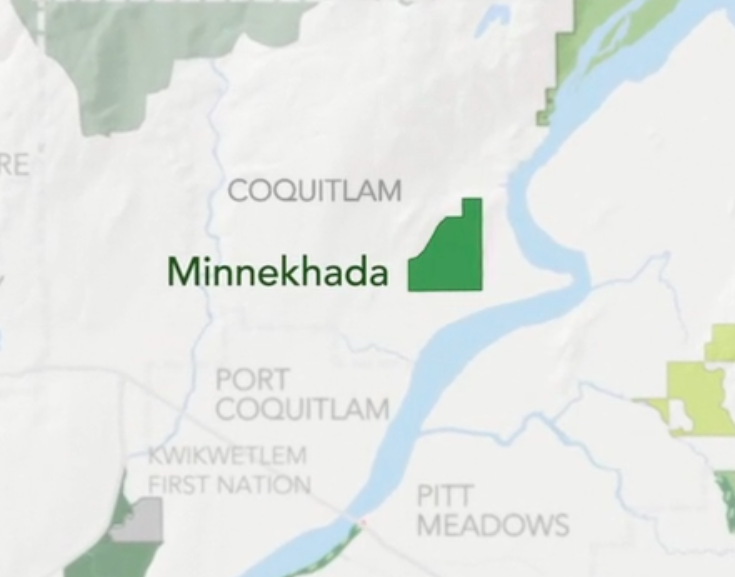
Metro Vancouver land acquisition adds to Minnekhada Regional Park
Top
Metro Vancouver land acquisition adds to Minnekhada Regional Park
 Top
Rock the Lake celebrated its ninth year at Prospera Place this past weekend
Top
Rock the Lake celebrated its ninth year at Prospera Place this past weekend
 Top
Million-dollar contract awarded for Surrey Sport & Leisure Complex renos
Top
Million-dollar contract awarded for Surrey Sport & Leisure Complex renos
 Top
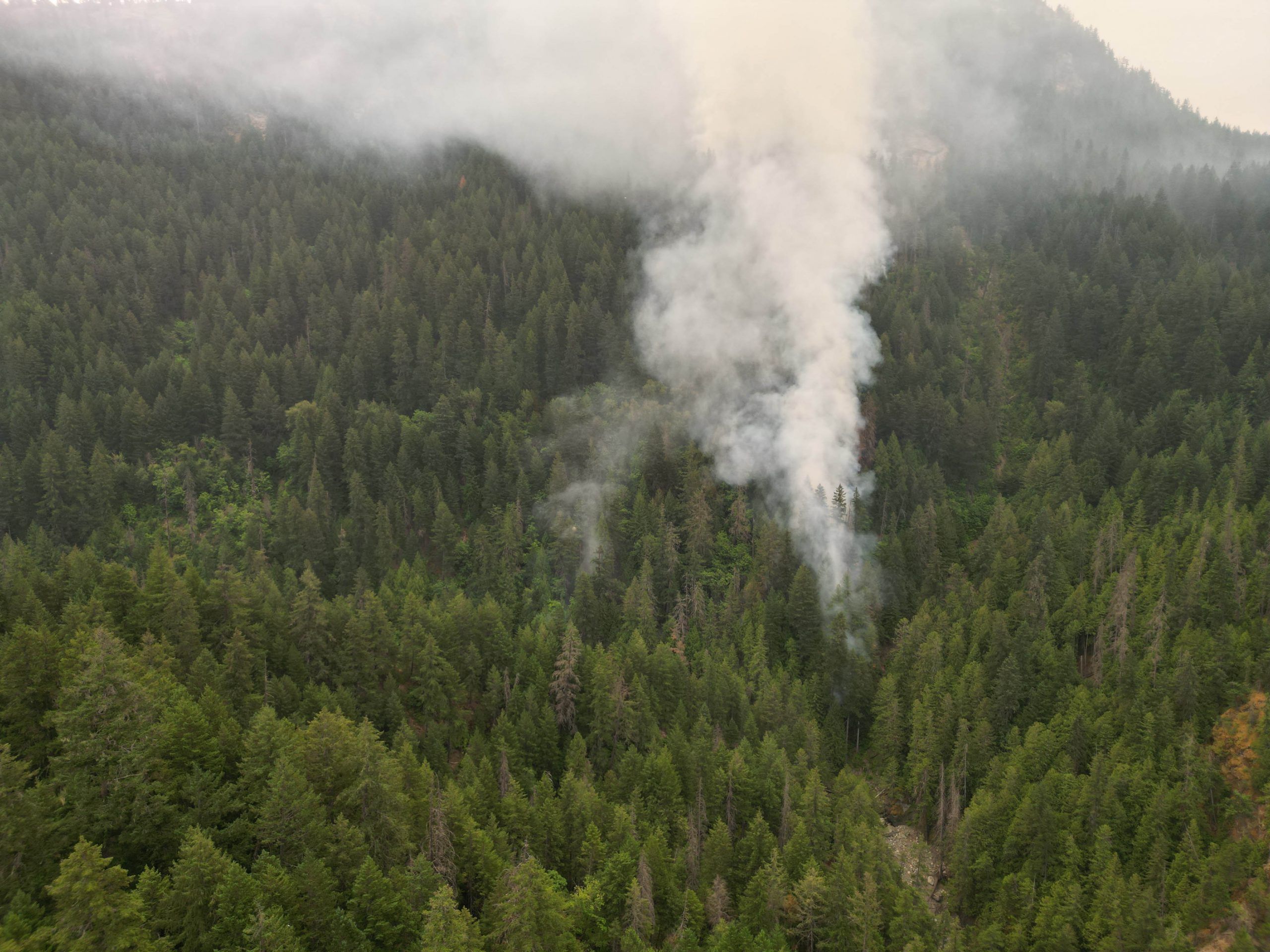
Brunswick Creek wildfire grows, leads to air quality warning in east Fraser Valley
Top
Brunswick Creek wildfire grows, leads to air quality warning in east Fraser Valley
 Top
'A sacred place': Delta park to get dedicated ash-scattering site
Top
'A sacred place': Delta park to get dedicated ash-scattering site
More Local Coverage
Latest news Business
AI Market Trends: Q2 2026 Review and Forecast
Business
AI Market Trends: Q2 2026 Review and Forecast
 Politics
Powerful pro-life ad featuring boxing legend to air during final World Cup matches
Politics
Powerful pro-life ad featuring boxing legend to air during final World Cup matches
 Politics
Traditional Catholic response to Cupich’s suicide distortion
Politics
Traditional Catholic response to Cupich’s suicide distortion