


Public Health Sudbury and Districts offers some advice
Article content With a heat warning in effect across Greater Sudbury and much of northeastern Ontario, the key is to stay hydrated, stay cool, and limit heat exposure. “Although some individuals are at higher risk, anyone can suffer from heat-related illnesses,” said Burgess Hawkins, a manager with Public Health Sudbury and Districts’ Health Protection Division. “Everyone should take precautions.”
Recommended Videos With daytime temperatures expected to reach 29 degrees C or higher and humidex values of 36 or higher over the next few days starting Monday in the Sudbury area, taking precautions now can help prevent heat-related illness, Public Health said. Stay cool and check in on neighbours, friends, and family members over the next few days. Public Health also has advice on how to stay cool, including: – Drink water regularly.
Don’t wait until you’re thirsty. Carry a water bottle and sip throughout the day. Encourage children and older adults to drink frequently.
– Keep your home cool. Close blinds, curtains, and awnings during the day. Use fans to circulate air.
Avoid using the oven; opt for cold meals, salads, or barbecuing outdoors. – Cool your body down. Take cool showers or baths.
Apply cool, wet towels to your neck, wrists, or forehead. Spend time in air-conditioned buildings such as libraries, malls, community centres, or other cooling locations. – Dress for the weather.
Wear loose-fitting, light-coloured clothing. Choose breathable fabrics such as cotton or moisture-wicking materials. Wear a wide-brimmed hat when outdoors.
– Avoid peak heat. Schedule outdoor work, exercise, or errands for early morning or evening. Take frequent breaks in the shade.
Reduce strenuous activity during the hottest parts of the day. – Never leave anyone in a vehicle. Not children, older adults, or pets.
Not even for a few minutes or even with windows cracked. – Check on vulnerable people. Heat can affect anyone, but especially older adults, infants and young children, pregnant women, people with chronic illnesses, outdoor workers and people without access to air conditioning A quick phone call or visit can make a big difference.
The danger Continuous exposure to high levels of heat can lead to dehydration and illnesses such as heat stroke, heat exhaustion, heat fainting, heat edema (swelling of hands, feet and ankles), heat rash, heat cramps (muscle cramps), and even death. Those who take medications or have a health condition should consult their doctor or pharmacist to determine if they are at increased risk from the heat and follow their recommendations. Know the warning signs Seek medical advice if you notice dizziness or fainting, headache, nausea or vomiting, rapid heartbeat or breathing, extreme thirst, confusion, and dark urine or reduced urination.
Call 911 immediately if someone shows signs of heat stroke, such as confusion, loss of consciousness, or a very high body temperature. Quick cooling hacks * Freeze a damp facecloth and place it on your neck. * Put your feet in cool water.
* Sleep with lightweight bedding. * Keep a spray bottle of cold water nearby. * Stay on lower floors if your home has multiple levels, as heat rises.
Where to get advice You can also call or chat online with a registered nurse day or night for free, secure, and confidential health advice by contacting Health811. Visit health811.ontario.ca (Ontario Government) or call 811 (TTY 1-866-797-0007). In emergencies, call 911.
Public Health Sudbury offers information on beating the heat in apartment buildings, keeping your pets safe, doing outdoor activities in heat and smog, and keeping your children safe during hot weather. You can also call 705-522-9200, ext. 464 (toll-free 1-866-522-9200) or visit phsd.ca for more information. Bluesky: @sudburystar.bsky.social X: @SudburyStar
- Published
- Jul 12, 2026
- Updated
- Jul 12, 2026
- Source
- Thesudburystar
- Category
- Top
- Read time
- 3 min
Key facts
Why this matters locally
This top story matters locally because it may affect readers, businesses, commuters, families, or public services in British Columbia.
Local impact
BC Post links this item to British Columbia coverage so readers can follow related city updates, weather, traffic, events, and category news in one place.
Timeline
Source and credit
BC Post may summarize, organize, and add local context for reader clarity. Original reporting remains with the listed publisher.
Related Articles
View all Top
Rock the Lake celebrated its ninth year at Prospera Place this past weekend
Top
Rock the Lake celebrated its ninth year at Prospera Place this past weekend
 Top
Million-dollar contract awarded for Surrey Sport & Leisure Complex renos
Top
Million-dollar contract awarded for Surrey Sport & Leisure Complex renos
 Top
MLA Jordan Kealy to face jury in sexual assault case
Top
MLA Jordan Kealy to face jury in sexual assault case
 Top
BCWS aircraft helping Kamloops firefighters battle grass fire above Shuswap Road
Top
BCWS aircraft helping Kamloops firefighters battle grass fire above Shuswap Road
 Top
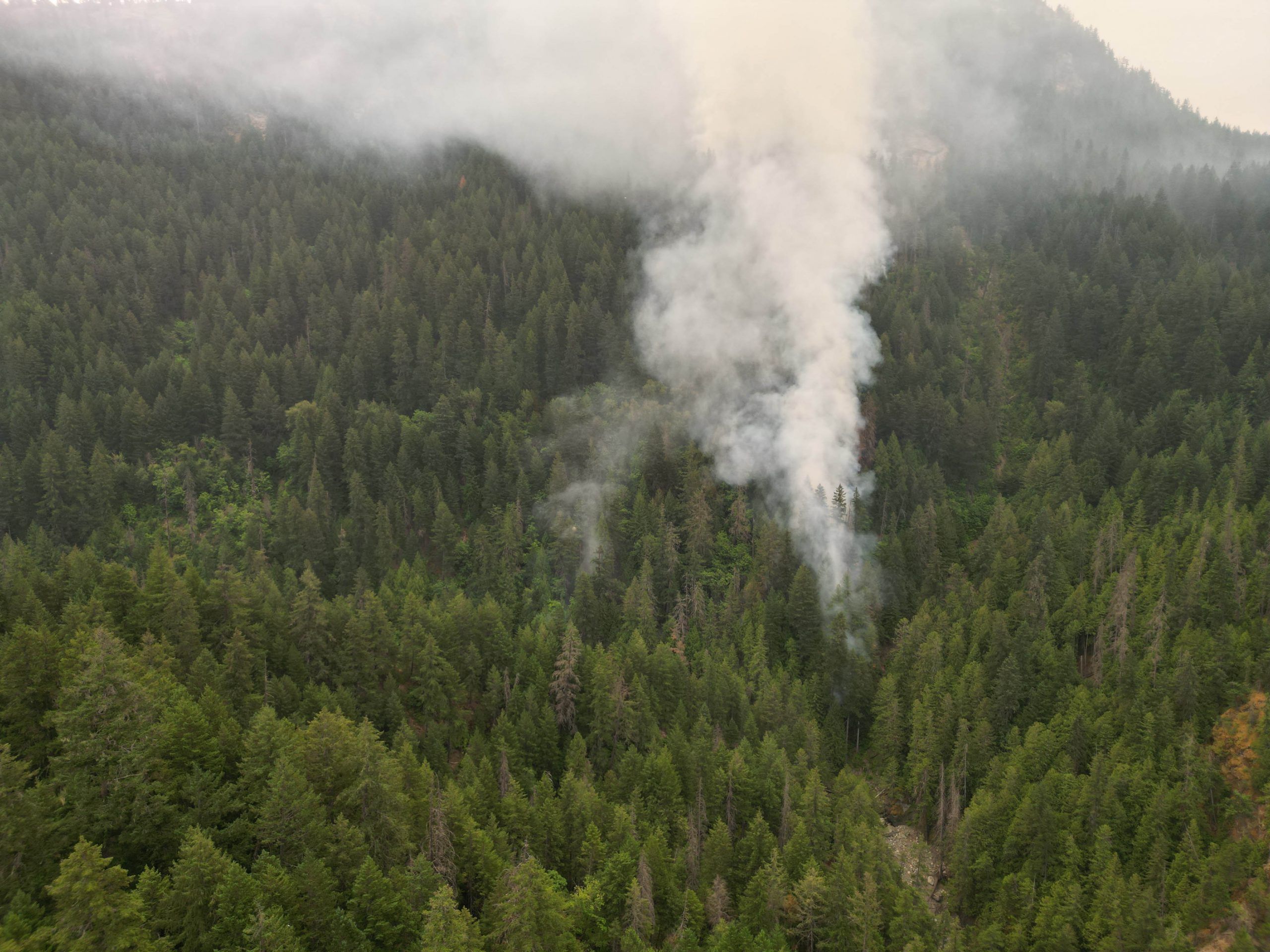
Brunswick Creek wildfire grows, leads to air quality warning in east Fraser Valley
Top
Brunswick Creek wildfire grows, leads to air quality warning in east Fraser Valley
 Top
'A sacred place': Delta park to get dedicated ash-scattering site
Top
'A sacred place': Delta park to get dedicated ash-scattering site
More Local Coverage
Latest news Business
AI Market Trends: Q2 2026 Review and Forecast
Business
AI Market Trends: Q2 2026 Review and Forecast
 Politics
Powerful pro-life ad featuring boxing legend to air during final World Cup matches
Politics
Powerful pro-life ad featuring boxing legend to air during final World Cup matches