

releasing or stocking any fish in a storm pond can result in a $3,000 fine
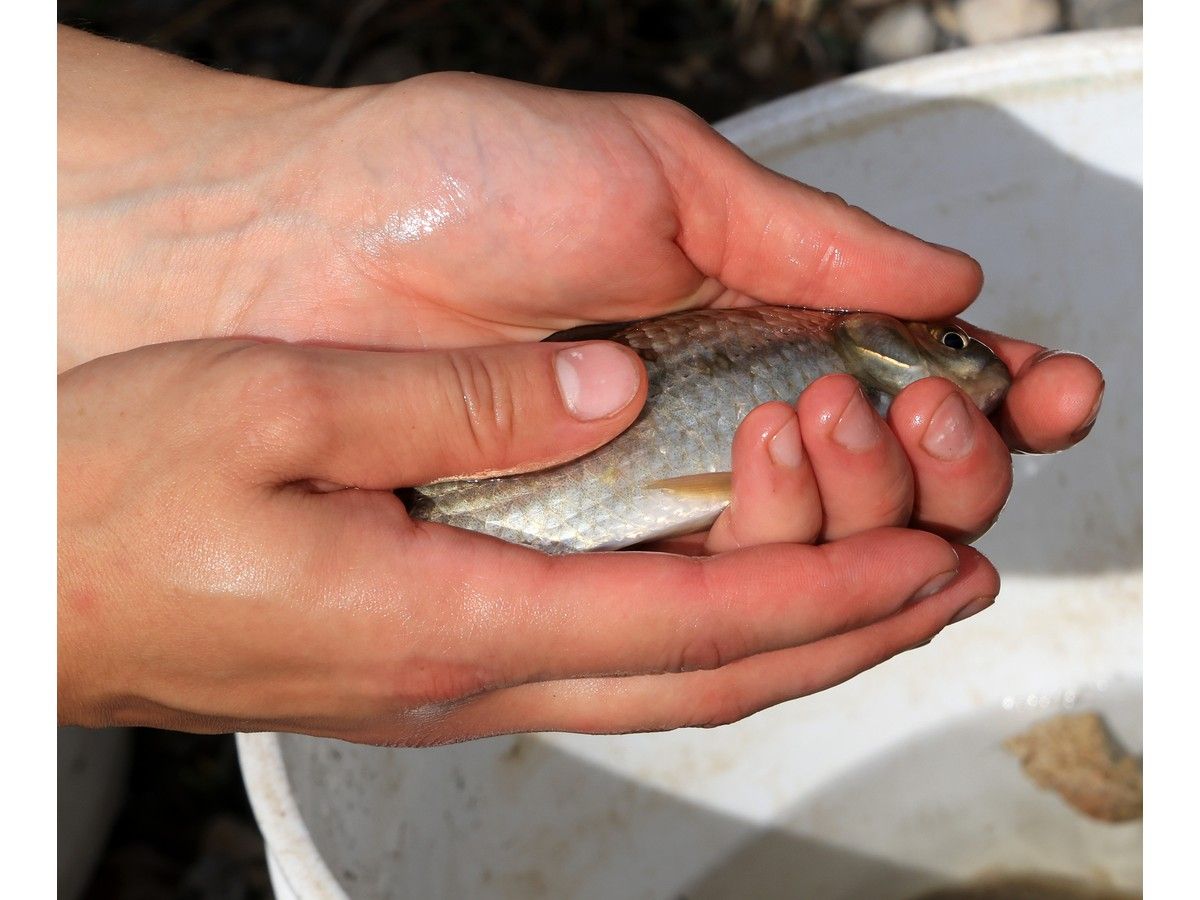
The discovery of an invasive fish species in a northwest Calgary storm pond has experts calling on Calgarians to help prevent their spread in the city’s bodies of water. A pond located in the community in Evanston was overrun with Prussian Carp and was reported to the City of Calgary’s invasive species hotline on Monday, a user on a Calgary social media site said. Prussian Carp are found in many storm ponds around the City, Calgary Water Services said in a statement.
“This is not a problem unique to Calgary. Invasive fish species have been found in water bodies across Alberta, and Alberta Environment and Parks have identified them as a growing concern throughout the province,” the statement read. Invasive fish species populations are managed by the city to prevent them from reaching the Bow River and other local ecosystems.
A five-year fish management system is being developed by the city that will identify priority locations and control methods. Prevention is the best defense against the spread and introduction of these invasive fish in the city. “Since Prussian carp are not native to Alberta, they are most often introduced when fish are illegally released into storm ponds or other water bodies,” the statement said.
“Releasing or stocking any fish in a storm pond is against Calgary’s Stormwater Bylaw and can result in a $3,000 fine.” These fish are appearing more in the northern part of the city, said Ward 3 Coun. Andrew Yule.
Calgarians are encouraged to never release aquarium pets or other fish into storm ponds, rivers, lakes or wetlands, Yule said. Although they can end up in storm ponds and other bodies of waters by natural means, their spread through human interactions need to stop to preserve Calgary’s wetlands. “Due to developments, 90 per cent of Calgary’s wetlands have been destroyed, but in its place is an intricate stormwater pond system that leads to our riverways,” Yule said.
“I think it’s really important that we aren’t adding to the problem and reporting any problems we see.” All unwanted aquarium fish should be returned to a pet store, rehomed or disposed of responsibly to protect local waterways and native ecosystems. The first occurrence of Prussian Carp in North America was documented in the early 2000s in the Bow River, Alberta Invasive Species Council executive director Megan Evans said.
They have become a problematic invasive species since then and have spread aggressively since then. Prussian Carp look like gray or even silver goldfish and about the size of a dinner plate, Evans said. Their ability to rapidly reproduce in harsh conditions and negatively impact native fish species is what makes them invasive.
These fish are commonly spread by moving through water or re-releasing them into other water bodies, she said. “We know with some amount of certainty that people are moving them around and harvesting live fish and re-releasing them into other water bodies because they’ve made major jumps from watersheds and are found in closed systems and things like that as well,” Evans said. In Alberta, releasing non-native or aquarium fish into any body of water is very illegal, and offenders could face fines up to $100,000 and a year in prison.
There’s not a lot of options when it comes to managing their population, Evans said. In cases of storm ponds, they can be drained and the remaining eggs are left to freeze off over the winter. For larger bodies of water, the only option available is to use a chemical called rotenone that is both available in limited quantities and kills all fish in a body of water.
A provincial Aquatic Invasive Species Task Force recommended that Prussian carp should have protections in place to prevent their spread. “There is an aquatic invasive species hotline, 1-855-336-BOAT or 2628, and then we also have an app that you can use to report any invasive species called EDDMapS to help you kind of identify what you’re looking at,” Evans said. “We get all of those reports and we send them off to the local authority for follow-up.”
Bookmark this website and support our journalism: Subscribe now so you don’t miss the Calgary news you need to know and sign up for our free newsletters .
- Published
- Jul 15, 2026
- Updated
- Jul 15, 2026
- Source
- Calgary Herald
- Category
- Politics
- Read time
- 3 min
Key facts
Why this matters locally
This politics story matters locally because it may affect readers, businesses, commuters, families, or public services in British Columbia.
Local impact
BC Post links this item to British Columbia coverage so readers can follow related city updates, weather, traffic, events, and category news in one place.
Timeline
Source and credit
BC Post may summarize, organize, and add local context for reader clarity. Original reporting remains with the listed publisher.
Related Articles
View all Politics
Powerful pro-life ad featuring boxing legend to air during final World Cup matches
Politics
Powerful pro-life ad featuring boxing legend to air during final World Cup matches
 Politics
Vaughn Palmer: David Eby's slow and expensive step toward involuntary care
Politics
Vaughn Palmer: David Eby's slow and expensive step toward involuntary care
 Politics
Corus rebuts misinformation about future of Global News in Alberta after layoffs
Politics
Corus rebuts misinformation about future of Global News in Alberta after layoffs
 Politics
Pitt Meadows to host information session for city council candidates
Politics
Pitt Meadows to host information session for city council candidates
 Politics
‘No consequences’: East Van woman says she was targeted by hate-motivated assault
Politics
‘No consequences’: East Van woman says she was targeted by hate-motivated assault
 Politics
Traditional Catholic response to Cupich’s suicide distortion
Politics
Traditional Catholic response to Cupich’s suicide distortion
More Local Coverage
Latest news Business
AI Market Trends: Q2 2026 Review and Forecast
Business
AI Market Trends: Q2 2026 Review and Forecast
 Local News
Cowichan sports shorts: rugby, hockey, biking
Local News
Cowichan sports shorts: rugby, hockey, biking