

The solution lies where the problem began — in Parliament
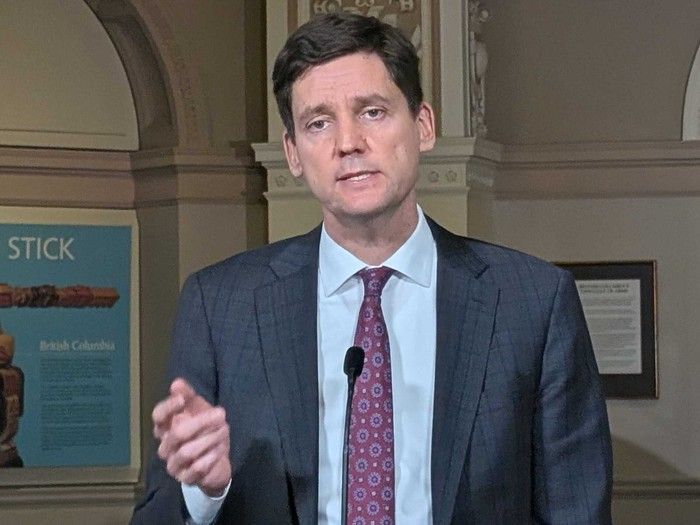
Canada’s UNDRIP crisis isn’t just about activist judges — it’s about lawmakers who either failed to understand what they were enacting or weren’t honest with Canadians about the consequences. The real problem began in legislatures, not courtrooms. When the British Columbia Legislature passed the Declaration on the Rights of Indigenous Peoples Act (DRIPA) in 2019, officials downplayed its impacts, reassuring the public, investors and industry that any changes from DRIPA would be gradual, filled with opportunities for stakeholders to voice concerns and not affect current regulatory timelines.
They described DRIPA as a consultation framework — not a sudden shift in lawmaking. Ottawa made identical assurances with its federal United Nations Declaration on the Rights of Indigenous Peoples Act (UNDRIP), claiming it wouldn’t change existing consultation duties or create new obligations. Those assurances have proven false, but not because courts are exceeding their authority.
The problem lies in what lawmakers actually wrote versus what they told the public. To be clear, the DRIPA Act does not address Section 35, which enshrines Aboriginal and Treaty rights in the Constitution. Since 1982, courts have extensively interpreted those rights and defined their constitutional limits.
By incorporating UNDRIP, DRIPA pushes those rights beyond those established limits. On Dec. 5, 2025, the B.C. Court of Appeal decided Gitxaala v. British Columbia, concluding that DRIPA converts UNDRIP from guidance into binding law that can invalidate provincial statutes. Critically, two of the three judges noted that DRIPA was written in “obligatory and imperative” language — lawmakers used mandatory terms like “must” and “shall,” not the permissive language of a consultation framework.
The federal UNDRIP Act contains identical problems. It requires the federal government to “take all measures necessary to ensure that the laws of Canada are consistent with the Declaration” and uses mandatory “must” language throughout. These aren’t suggestions — they’re legal commands.
Courts are taking this language seriously in ways that should alarm anyone concerned about democratic governance. In Quebec, Justice Sophie Bourque stayed criminal proceedings against Mohawk men charged with smuggling 13,000 kilograms of tobacco, ruling that inadequate consultation over tobacco control policies invalidated border enforcement. The court treated UNDRIP with “the same weight as a binding international instrument,” effectively allowing historical treaties interpreted through UNDRIP to override law enforcement.
Most significantly, the Quebec Superior Court, in implementing this expansive reading of the UNDRIP Act, created a broad and generic right to Indigenous economic development that encompassed the existing contraband tobacco trade, an illegal industry with documented connections to organized crime. The implications are staggering. If UNDRIP becomes a judicial tool for rewriting Canadian law, courts will constrain government efforts to protect border integrity and public safety — shifting the balance from legislative regulation to judicial enlargement of rights.
But again, courts aren’t inventing these powers. They’re reading the mandatory language lawmakers actually enacted. When Parliament writes that governments “must take all measures necessary” to enforce UNDRIP, courts reasonably conclude this creates obligations, regardless of what politicians told voters.
On the other hand, judges who may have an activist bent would be happy to oblige strong language and perhaps would not choose to raise caution about a law’s interpretation. Either lawmakers didn’t understand the legal implications of their own legislation or they deliberately misled Canadians about what they were enacting. Neither explanation inspires confidence in the legislative process.
The Quebec decision is under appeal, but similar cases are emerging across Canada. The Supreme Court must ultimately decide how UNDRIP operates within Canadian law, but the Court faces an impossible choice created by legislative drafting — either ignore the mandatory language Parliament enacted, or enforce laws that may fundamentally alter Canadian governance. In other words, the Supreme Court is trapped by the strong mandatory language lawmakers chose to include in these statutes.
The justices cannot simply wish away the “must” and “shall” provisions that create binding legal obligations, even if the political consequences prove uncomfortable. The solution lies where the problem began — in Parliament. Lawmakers must repeal or substantially amend these laws to reflect what they actually intended, removing this constitutional crisis from the judicial arena.
The current crisis demonstrates the real consequences of strongly worded UNDRIP implementation. Courts interpret law. Judges are not responsible for rescuing politicians from legislation they either didn’t understand or deliberately misrepresented.
Legislators should also not dangle this kind of legislation in front of activist judges. The path forward requires our elected politicians to have the courage to be honest — and legislate honestly — about what UNDRIP implementation actually means for Canada. And to honestly legislate its repeal.
National Post Joseph Quesnel is a senior fellow with the Aristotle Foundation for Public Policy.
- Published
- Jul 17, 2026
- Updated
- Jul 17, 2026
- Source
- National Post
- Category
- Politics
- Read time
- 4 min
Key facts
Why this matters locally
This politics story matters locally because it may affect readers, businesses, commuters, families, or public services in British Columbia.
Local impact
BC Post links this item to British Columbia coverage so readers can follow related city updates, weather, traffic, events, and category news in one place.
Timeline
Source and credit
BC Post may summarize, organize, and add local context for reader clarity. Original reporting remains with the listed publisher.
Related Articles
View all Politics
Powerful pro-life ad featuring boxing legend to air during final World Cup matches
Politics
Powerful pro-life ad featuring boxing legend to air during final World Cup matches
 Politics
Vaughn Palmer: David Eby's slow and expensive step toward involuntary care
Politics
Vaughn Palmer: David Eby's slow and expensive step toward involuntary care
 Politics
Corus rebuts misinformation about future of Global News in Alberta after layoffs
Politics
Corus rebuts misinformation about future of Global News in Alberta after layoffs
 Politics
Pitt Meadows to host information session for city council candidates
Politics
Pitt Meadows to host information session for city council candidates
 Politics
‘No consequences’: East Van woman says she was targeted by hate-motivated assault
Politics
‘No consequences’: East Van woman says she was targeted by hate-motivated assault
 Politics
Hundreds of enthusiatic supporters attend Surrey Mayor Brenda Locke’s fundarising dinner
Politics
Hundreds of enthusiatic supporters attend Surrey Mayor Brenda Locke’s fundarising dinner
More Local Coverage
Latest news Business
AI Market Trends: Q2 2026 Review and Forecast
Business
AI Market Trends: Q2 2026 Review and Forecast
 Local News
Cowichan sports shorts: rugby, hockey, biking
Local News
Cowichan sports shorts: rugby, hockey, biking