


City says it was notified of spill on July 8. Metrolinx says the spill is contained and a specialized team is working to remove "polymer-based slurry" from creek.
Metrolinx cleaning chemical spill in east-end creek related to Scarborough subway extension work Spill is contained, team working to remove 'polymer-based slurry' from water: agency For over a week now, Metrolinx crews have been cleaning up a chemical spill at a creek in Toronto’s east end that’s been traced back to work on a Scarborough transit project, raising concerns about environmental impacts. The City of Toronto was notified on July 8 about the spill into West Highland Creek from an outfall at Lawrence Avenue and McCowan Road, Lou Di Gironimo, general manager of Toronto Water division, said in a statement.
It has been traced to a Metrolinx contractor working on the Scarborough subway extension, Di Gironimo said. The project is expected to be complete in 2030, and will connect Kennedy Station to Sheppard Avenue and McCowan Road to replace the former Line 3. Ontario breaks ground on 1st of 3 stations extending subway service into Scarborough 'We have to build,' Ford says, as cost of Scarborough subway extension tops $10B Metrolinx said in a statement the spilled liquid was a “polymer-based slurry.”
Metrolinx did not respond specifically to questions from CBC News about how the spill happened or whether a spill prevention plan was in place. Polymer-based slurries are often used in construction for the foundations of highrise buildings or during drilling, and their key attribute is absorbing water. While they can be made up of many different chemicals, Metrolinx said in this case it was water-based, non-toxic and biodegradable, adding it has been contained and is being removed by a specialized team.
Ryan Prosser, an associate professor of environmental toxicology at the University of Guelph, said even biodegradable slurries can take decades to break down, and while some can float on water, others may thicken and sink. That’s a concern, depending on how much was spilled, Prosser said. “Ideally you wouldn’t want to spill this material anywhere, certainly not into an aquatic system,” he said.
“Because of its properties to absorb water and become this gel-like material that could coat organisms. In general, it would be pretty bad for that stream.” The city installed containment booms and hay bales at the outfall and other areas downstream to limit the spread of the polymer, Di Gironimo said.
But Metrolinx and its contractor are responsible for the ongoing containment, cleanup and monitoring along the creek, he said, with Ontario’s Ministry of the Environment, Conservation and Parks overseeing the response. CBC News has reached out to the ministry for comment, but has not received a response. With files from Dale Manucdoc
- Published
- Jul 17, 2026
- Updated
- Jul 17, 2026
- Source
- Cbc
- Category
- Crime
- Read time
- 2 min
Key facts
Why this matters locally
This crime story matters locally because it may affect readers, businesses, commuters, families, or public services in British Columbia.
Local impact
BC Post links this item to British Columbia coverage so readers can follow related city updates, weather, traffic, events, and category news in one place.
Timeline
Source and credit
BC Post may summarize, organize, and add local context for reader clarity. Original reporting remains with the listed publisher.
Related Articles
View all Crime
Video shows rescue of lone survivor from deadly B.C. helicopter crash
Crime
Video shows rescue of lone survivor from deadly B.C. helicopter crash
 Crime
A dozen cats are missing after New Westminster apartment fire that displaced roughly 100 residents
Crime
A dozen cats are missing after New Westminster apartment fire that displaced roughly 100 residents
 Crime
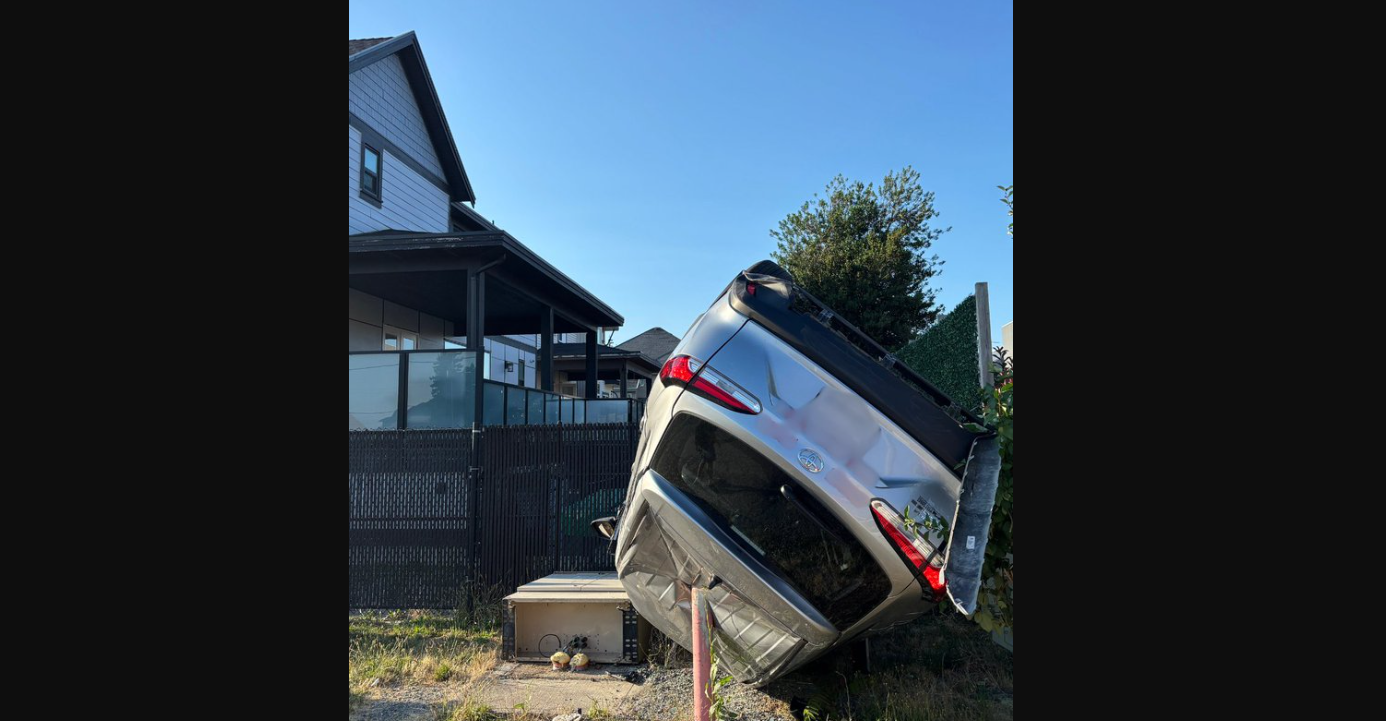
‘N’ driver involved in Abbotsford rollover crash, police say
Crime
‘N’ driver involved in Abbotsford rollover crash, police say
 Crime
Pedestrian struck by bus, critically injured in Surrey
Crime
Pedestrian struck by bus, critically injured in Surrey
 Crime
B.C. seeks forfeiture of alleged gangster’s properties worth more than $6.2 million
Crime
B.C. seeks forfeiture of alleged gangster’s properties worth more than $6.2 million
 Crime
Train strikes crashed car at Deroche rail crossing
Crime
Train strikes crashed car at Deroche rail crossing
More Local Coverage
Latest news Politics
Powerful pro-life ad featuring boxing legend to air during final World Cup matches
Politics
Powerful pro-life ad featuring boxing legend to air during final World Cup matches
 Business
AI Market Trends: Q2 2026 Review and Forecast
Business
AI Market Trends: Q2 2026 Review and Forecast