

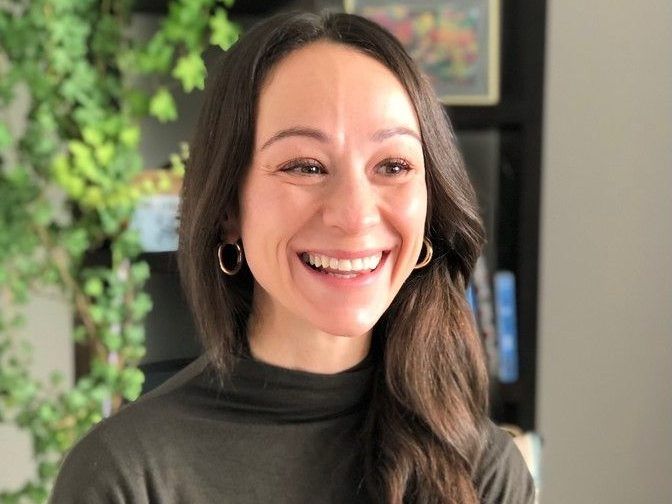
As Alberta invests in recovery and public safety, one question keeps arising as I read the headlines: What are children and young people learning about asking for help from the way we speak of and respond to substance use and addiction? One in five children and young people in Canada are growing up impacted by [...]
As Alberta invests in recovery and public safety, one question keeps arising as I read the headlines: What are children and young people learning about asking for help from the way we speak of and respond to substance use and addiction? One in five children and young people in Canada are growing up impacted by parental substance use challenges; that’s approximately two million young people. Here in Calgary, it means that in a typical classroom of 25 students, about five children are likely navigating these experiences today.
In one of our city’s larger schools, that can mean hundreds of young people carrying worries that often remain unseen, and not because they don’t need support. As millions across Alberta and Canada have, I grew up alongside a parent’s substance use challenges more than four decades ago. Today, as a registered nurse, founder of Starlings Community, and mentor to many children and parents navigating parental substance use challenges, I hear many of the same fears echoed by families: fear of judgment, fear of speaking up, fear that asking for help will lead to harm.
So, while public conversations have focused on how we respond to ‘addiction,’ ‘public disorder’ and ‘the youth mental health crisis,’ the young people we work with are trying to understand what their challenges mean for them today and whether it is safe to ask for help tomorrow. Calgary youth have asked us questions like ‘How do I get a good night’s sleep?’ ‘Will my family have enough money for rent and food?’
‘I’m worried about my parent; who do I ask for help?’ These aren’t questions we see within the headlines of recovery, but they aren’t separate either. They’re the voices of youth trying to make sense of love and loyalty, fear and hope, responsibility and belonging.
They are the questions that highlight how they are deciding whether recovery-oriented systems are places they can trust for support. One young person in Starlings’ Peer Empowerment Mentorship Program captured what’s at stake: “I realize now I’m not asking for help for my own addiction because of how my family talks about my dad.” This highlights what this youth and others have learned about seeking help before they ever struggled with their own substance use.
They watched how not only addiction was spoken about, but how a loved one was treated, and learned that vulnerability is met with shame. As professionals supporting youth, we continue to research and learn so much about addiction, trauma and recovery, yet too many children are still carrying the same fears. If those fears remain across generations, as we have seen in our parenting in recovery program and our mentorship programming, perhaps recovery must be about more than the services we provide.
It must also be about how we respond when they seek support and if support that meets their needs is available at all. For us, that means ensuring children see people experiencing addiction described as human beings deserving of care, not reduced to stereotypes. It’s hearing a parent reach out for support and being met with resources, rather than judgment.
It’s a young person sharing with a health-care provider in a moment of crisis and finding compassion instead of shame or blame. It’s existing within a community that shows up even within the complexity, knowing that healing is never linear or possible without support. If we want our investment into recovery to impact generations to come, these are the moments we have to get right.
Because what children see and hear today will shape whether they reach out and use our recovery services tomorrow. Agnes Chen is the founder and executive director of Starlings Community, a Calgary-based nonprofit supporting children, young people, and families affected by parental substance use.
- Published
- Jul 17, 2026
- Updated
- Jul 17, 2026
- Source
- Calgary Herald
- Category
- Politics
- Read time
- 3 min
Key facts
Why this matters locally
This politics story matters locally because it may affect readers, businesses, commuters, families, or public services in British Columbia.
Local impact
BC Post links this item to British Columbia coverage so readers can follow related city updates, weather, traffic, events, and category news in one place.
Timeline
Source and credit
BC Post may summarize, organize, and add local context for reader clarity. Original reporting remains with the listed publisher.
Related Articles
View all Politics
Powerful pro-life ad featuring boxing legend to air during final World Cup matches
Politics
Powerful pro-life ad featuring boxing legend to air during final World Cup matches
 Politics
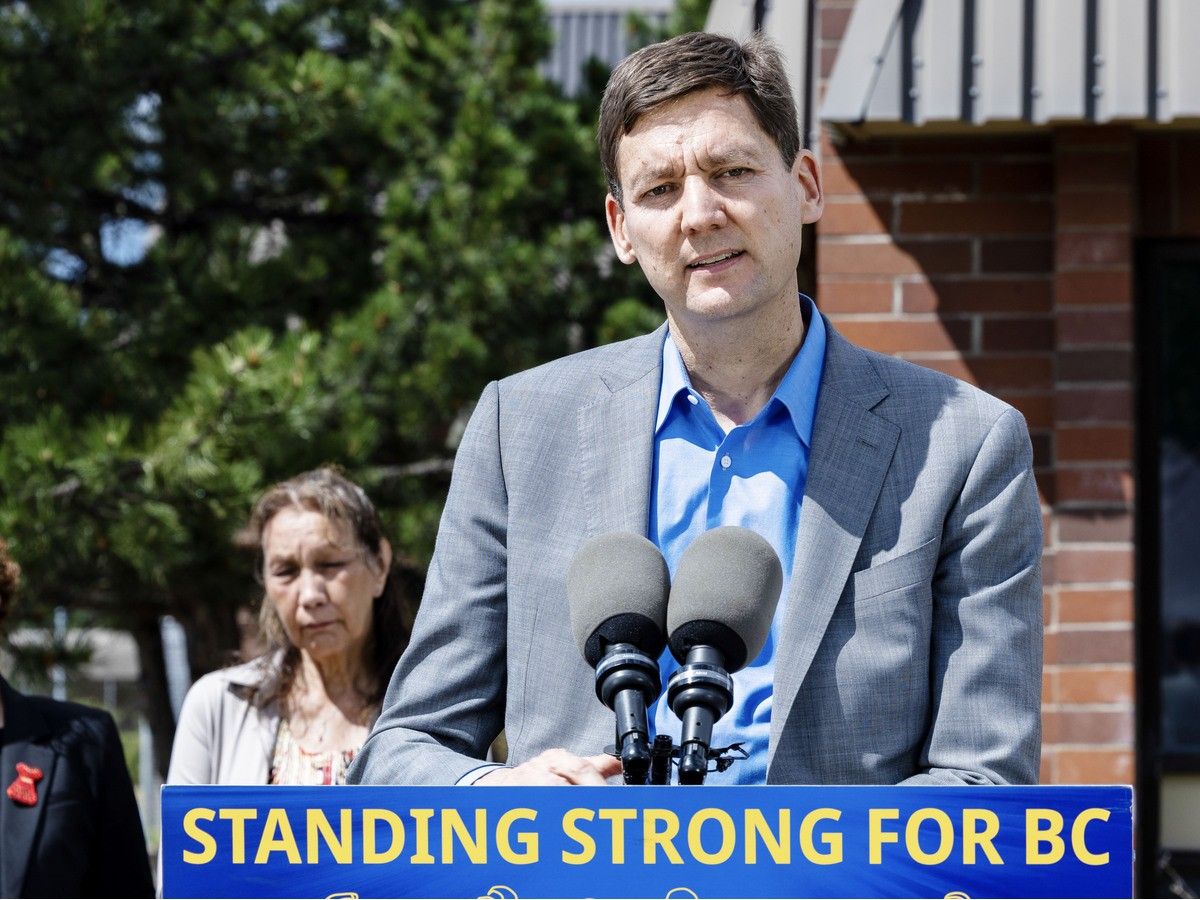
Vaughn Palmer: David Eby's slow and expensive step toward involuntary care
Politics
Vaughn Palmer: David Eby's slow and expensive step toward involuntary care
 Politics
Corus rebuts misinformation about future of Global News in Alberta after layoffs
Politics
Corus rebuts misinformation about future of Global News in Alberta after layoffs
 Politics
Pitt Meadows to host information session for city council candidates
Politics
Pitt Meadows to host information session for city council candidates
 Politics
Traditional Catholic response to Cupich’s suicide distortion
Politics
Traditional Catholic response to Cupich’s suicide distortion
 Politics
‘No consequences’: East Van woman says she was targeted by hate-motivated assault
Politics
‘No consequences’: East Van woman says she was targeted by hate-motivated assault
More Local Coverage
Latest news Business
AI Market Trends: Q2 2026 Review and Forecast
Business
AI Market Trends: Q2 2026 Review and Forecast
 Local News
Cowichan sports shorts: rugby, hockey, biking
Local News
Cowichan sports shorts: rugby, hockey, biking